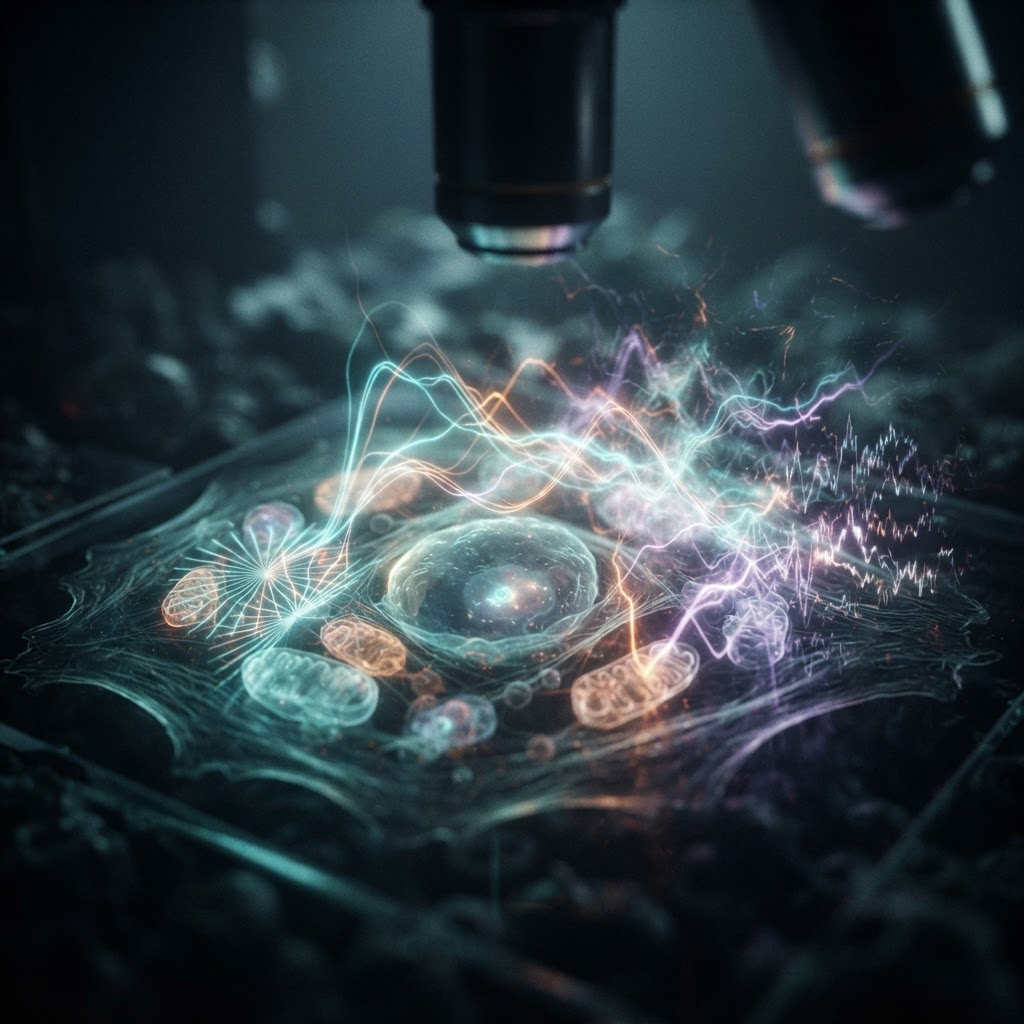
Overview
Microbial reactors—broadly, systems that harness microbial metabolism to convert organic waste into usable energy—have matured from laboratory curiosities into viable elements of circular-waste strategies. Two classes dominate contemporary research and deployment: microbial fuel cells (MFCs) that directly generate electrical current from oxidizing organics, and anaerobic digestion systems optimized to produce methane-rich biogas. Recent work has focused on making these systems more efficient, resilient and integrable with municipal and industrial waste streams.
Microbial Fuel Cells: what they now can and cannot do
MFCs translate the redox activity of electrogenic bacteria into an external current by shuttling electrons from an anode through an external circuit to a cathode. In the last decade improvements have come from better electrode materials (high-surface-area carbon foams, 3D graphene scaffolds), conductive biofilm promotion and refined reactor geometries that reduce ohmic losses. These advances push prototype power densities upward, but absolute power remains modest: many practical MFCs produce milliwatts to low watts per square meter of electrode under realistic feed conditions.
That gap drives a common misconception: critics often state MFCs are "inefficient" without specifying the metric. Efficiency can mean coulombic efficiency (fraction of electrons recovered as current), substrate-to-energy conversion, or system-level energy return. MFCs can achieve respectable coulombic efficiencies on selected substrates but still lose substantial energy to biomass growth, heat and internal resistance. In short, MFCs are increasingly attractive for niche applications—distributed sensing, small-scale remote power, and as complements to broader treatment trains—but they are not yet competitive with grid-scale generation or direct combustion of biogas for bulk power.
Biogas and anaerobic optimization: incremental but consequential gains
Anaerobic digestion (AD) is a commercially mature route for producing methane from organic waste. Recent research has focused on optimization rather than reinvention: two-stage digestion for hydrolysis and methanogenesis separation, co-digestion strategies to balance carbon-to-nitrogen ratios, in situ trace-metal dosing to stabilize communities, and membrane-based reactors to decouple hydraulic and solids retention times.
Practical improvements have raised methane yields and operational resilience. Innovations in in situ biogas upgrading—where hydrogen is supplied to stimulate hydrogenotrophic methanogens and convert CO2 to methane—allow higher biomethane fractions without energy-intensive post-upgrading. Still, the realistic capture of the waste's biochemical energy typically falls into a limited range: even well-operated digesters recover a minority fraction of feedstock chemical energy as useful methane when accounting for pre-treatment and parasitic loads.
Mini deep dive: energy balances, coulombic efficiency and internal losses
Two metrics frame practical performance. Coulombic efficiency (CE) in MFCs equals the fraction of electrons from substrate oxidation that are recovered as electrical current. High CE requires minimizing alternative electron sinks (sulfate reduction, methanogenesis, biomass formation). The electrical power delivered is then reduced by internal resistance (Rint) and overpotentials at electrodes, so that delivered power P = I^2 * Rload, with I limited by both biological electron flux and circuit constraints. Hence, improving CE without addressing Rint yields little practical power.
For anaerobic digesters the parallel is substrate-to-methane conversion efficiency: the fraction of organic chemical energy converted to methane. Factors that reduce this include incomplete hydrolysis of complex polymers, volatile fatty acid accumulation leading to inhibition, and methane dissolved in effluent. Engineering levers—longer solids retention times, pre-treatment (thermal, enzymatic), and staged reactors—shift the balance but add capital and operating costs. The optimized design is therefore a techno-economic tradeoff, not a purely biological limit.
Emerging research and near-term pathways
Several strands are converging into practical gains:
- Electrode and reactor engineering: 3D conductive scaffolds, flow-through electrodes and low-cost current collectors reduce ohmic losses and boost usable power in MFC-like systems.
- Microbial community management: selective enrichment, bioaugmentation and synthetic consortia steer electron flows toward desired sinks—current or methane.
- Hybrid bioelectrochemical systems: pairing MFCs with anaerobic digesters or microbial electrosynthesis units can route electrons to methane or value-added chemicals rather than dissipating them as heat.
- Biogas upgrading in situ: hydrogen addition, trickle-bed biocatalysts and pressure-assisted methanogenesis increase biomethane yield without energy-intensive post-processing.
- Process intensification: anaerobic membrane bioreactors, continuous stirred-tank plus fixed-film hybrids and improved feedstock preprocessing lift methane productivity per reactor volume.
What this means for deployment
Real-world deployment will be pragmatic: AD upgrades and in situ biogas upgrading offer the fastest route to higher-impact waste-to-energy returns because they build on established infrastructure. MFCs are moving from bench to demonstrator for targeted roles—sensors, low-power electronics, and wastewater polishing—rather than primary energy production. The most promising high-impact path is integration: using bioelectrochemical units to strip recalcitrant organics and produce concentrated methane streams while recovering nutrients and heat.
Conclusion
Advances in materials, microbial ecology and process engineering have tightened the gap between laboratory promise and practical utility in waste-to-energy microbial reactors. However, the correct comparison is not whether MFCs or next-generation digesters can mimic fossil-fuel power plants, but whether they can improve the net energy, carbon and resource balance of waste management systems. When evaluated systemically, hybrid approaches that combine biogas optimization with selective bioelectrochemical recovery offer the clearest route to meaningful, scalable gains.