Frontiers of Physics
63 articles
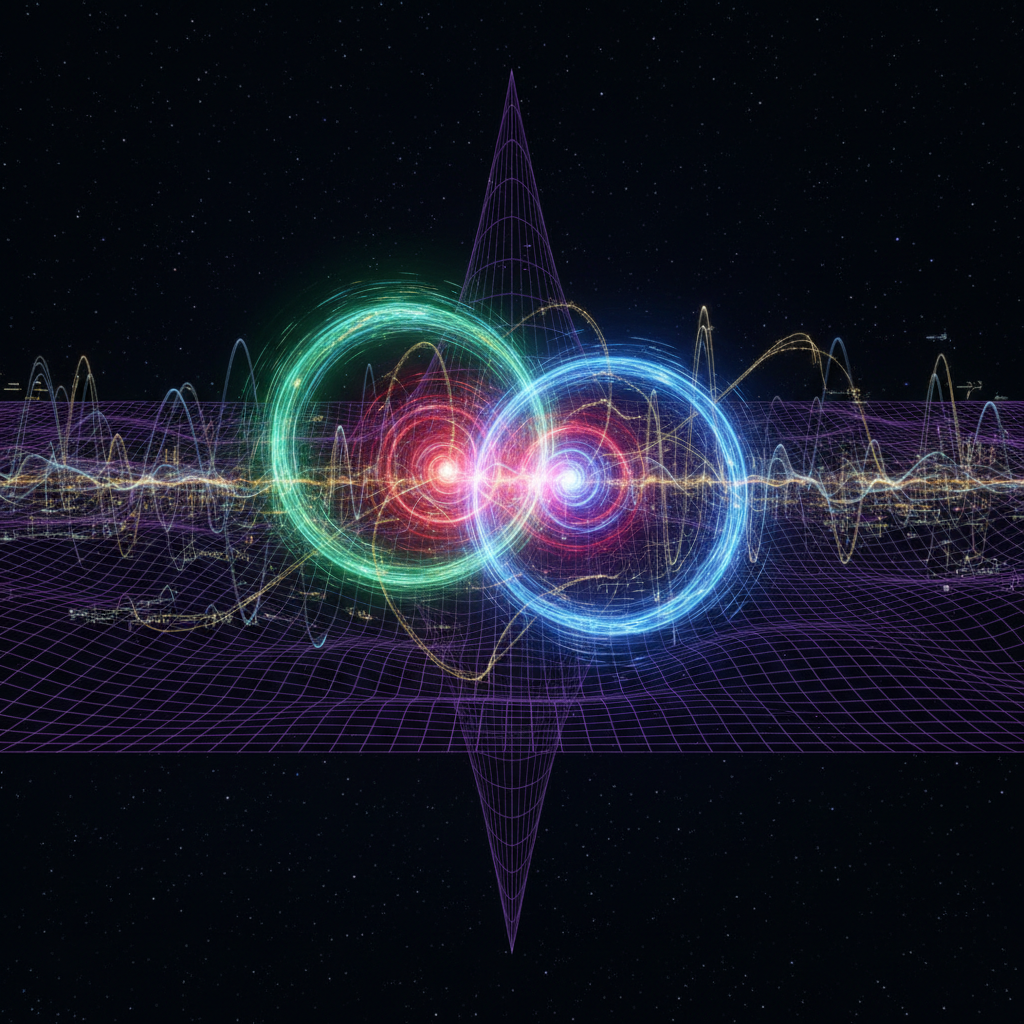
The Laboratory Has Learned to Tune a Quantum System Through Its Exceptional Points
In carefully engineered open quantum systems, loss is no longer a nuisance—it becomes a controllable ingredient that reshapes spectra, modes, and dynamics.

Quantum Coherence at the Electroweak Scale: Entangled Z Bosons Observed in Higgs Decay
Physicists at CERN have confirmed that massive Z bosons remain quantum-entangled during Higgs decay, extending the reach of quantum information theory to the highest energy scales.
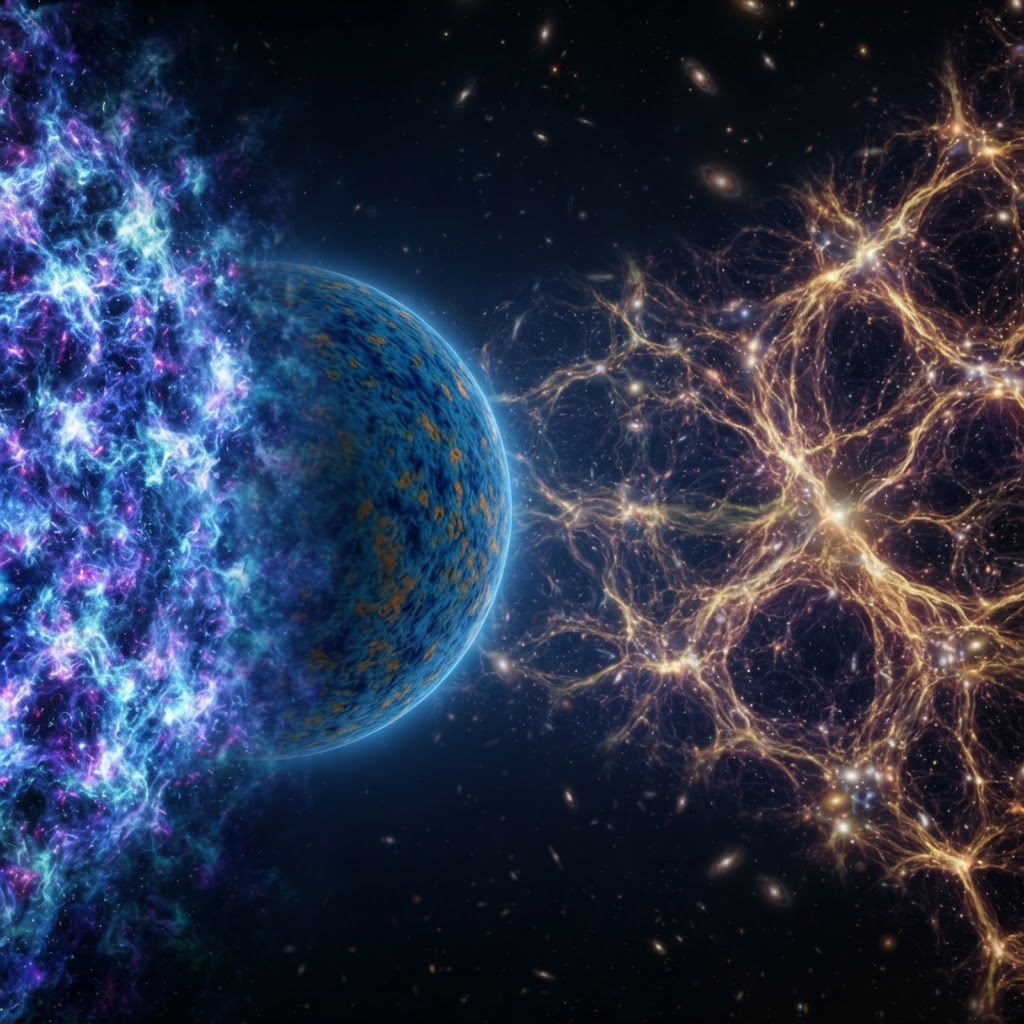
The Discrete Pulse: Real-Time Observation of Quantum Jumps in Sound
Stanford researchers have captured the elusive, instantaneous energy transitions of phonons, opening a new frontier for quantum error correction.
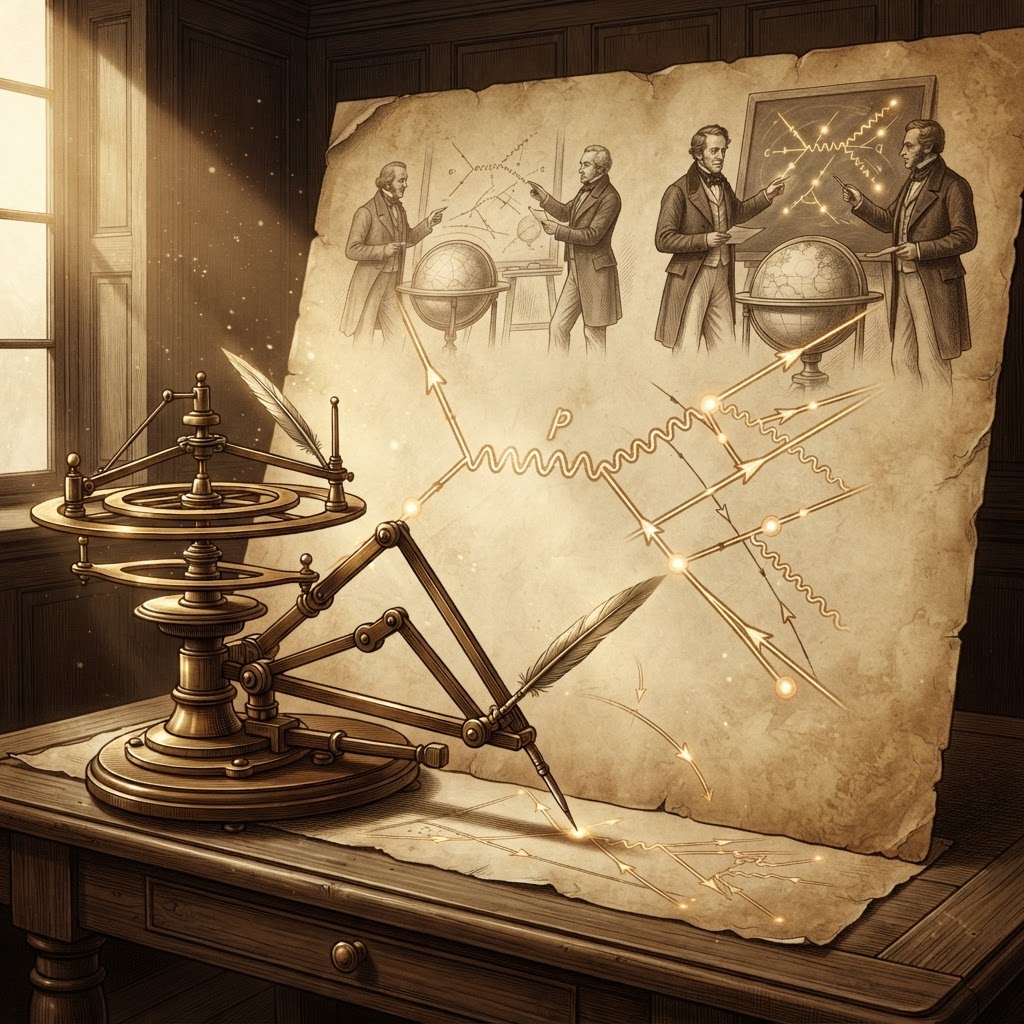
Einstein’s Light Quanta Still Power the Quantum Age
The photoelectric effect turned light from a smooth wave into packets of energy—and remains central to today’s sensors, solar cells, and quantum technologies.
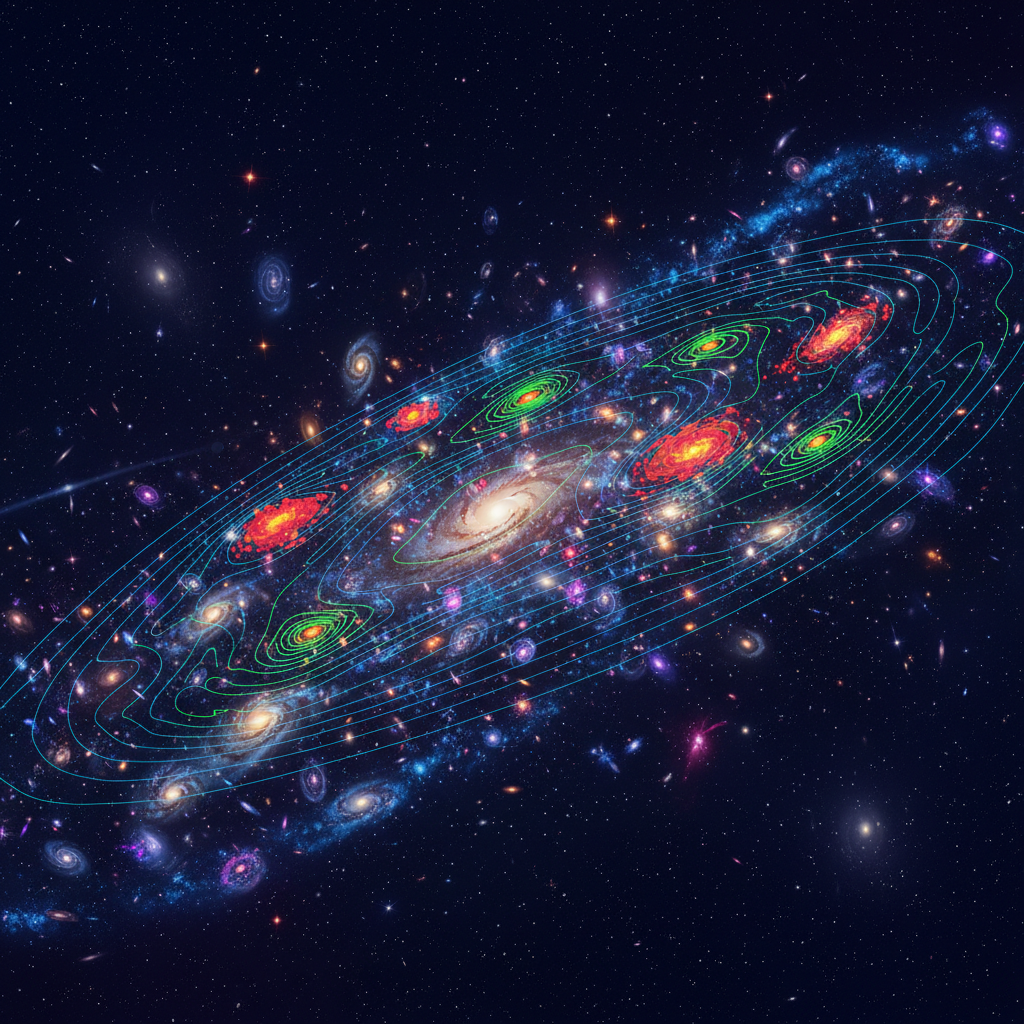
How Quantum Noise Became the Blueprint for Cosmic Structure
The galaxies filling today’s universe may trace their ancestry to microscopic fluctuations stretched across space by inflation.

Planck-Scale Physics Faces Tighter Tests of Lorentz Symmetry
New observations of polarized light, gamma rays, and ultrastable clocks are narrowing the space in which quantum gravity could deform Einstein’s relativity.
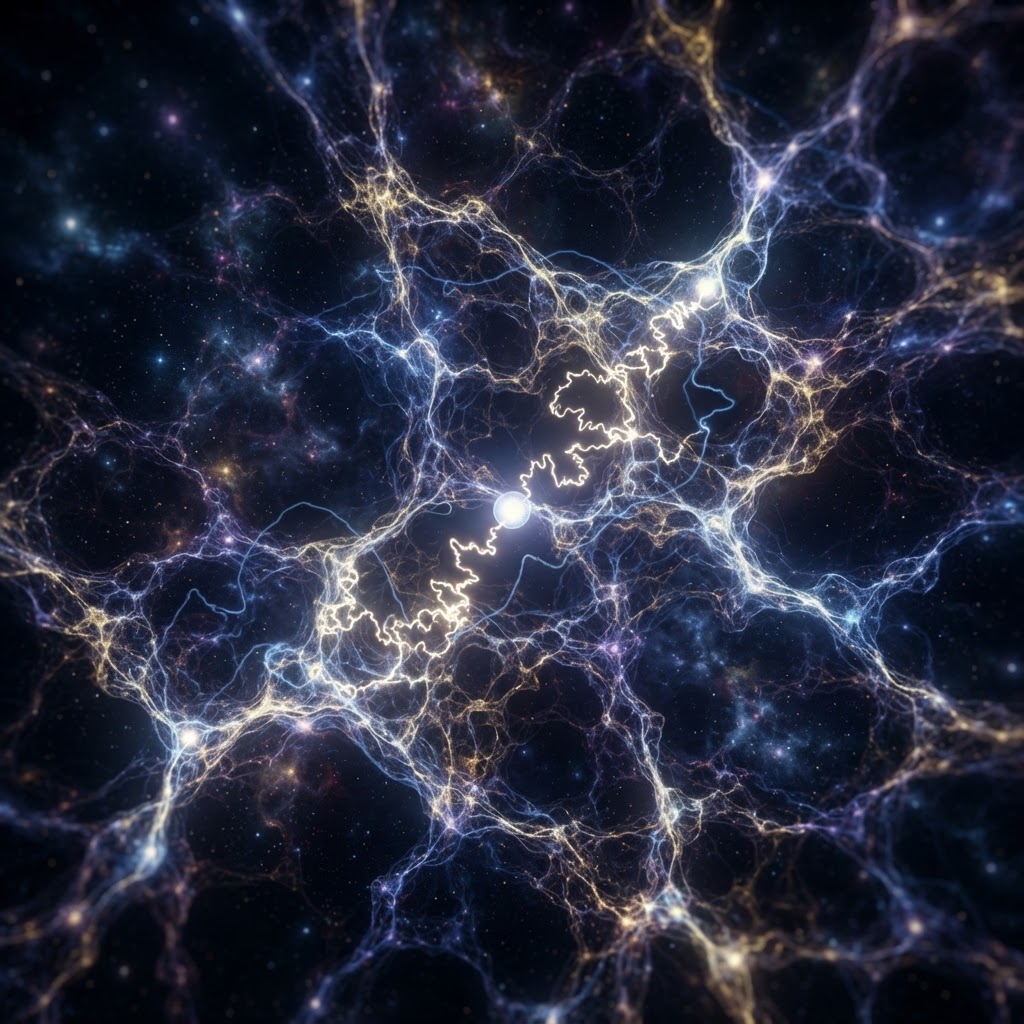
When Spacetime Becomes Fractal: Anomalous Diffusion as a Window into Quantum Gravity
Across several quantum-gravity programs the short-scale geometry behaves like a multifractal, and its imprint shows up as anomalous diffusion of probes — a calculable signature that is finally sharpening into testable predictions.
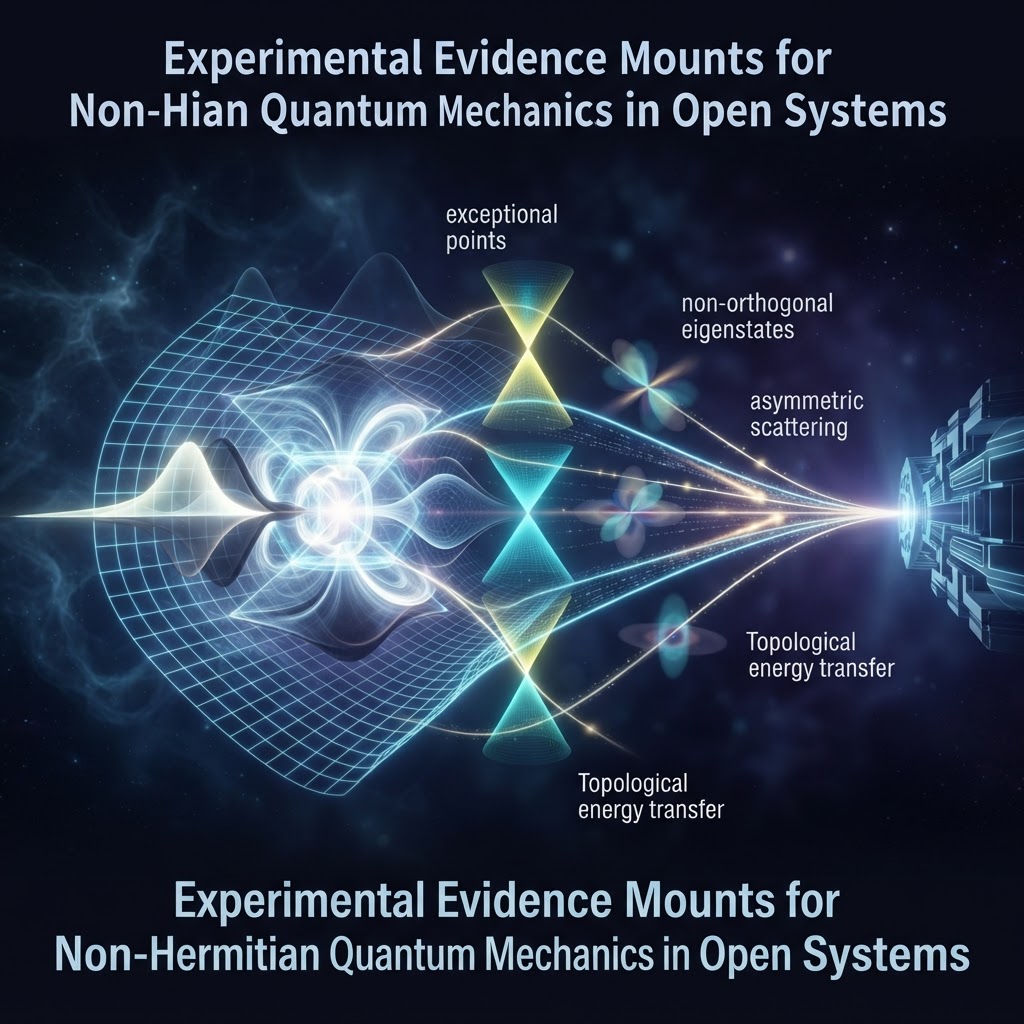
Experimental Evidence Mounts for Non‑Hermitian Quantum Mechanics in Open Systems
A suite of recent experiments shows that deliberately lossy and measured quantum systems realize genuinely new non-Hermitian dynamics — with distinct spectra, topology, and control paradigms.
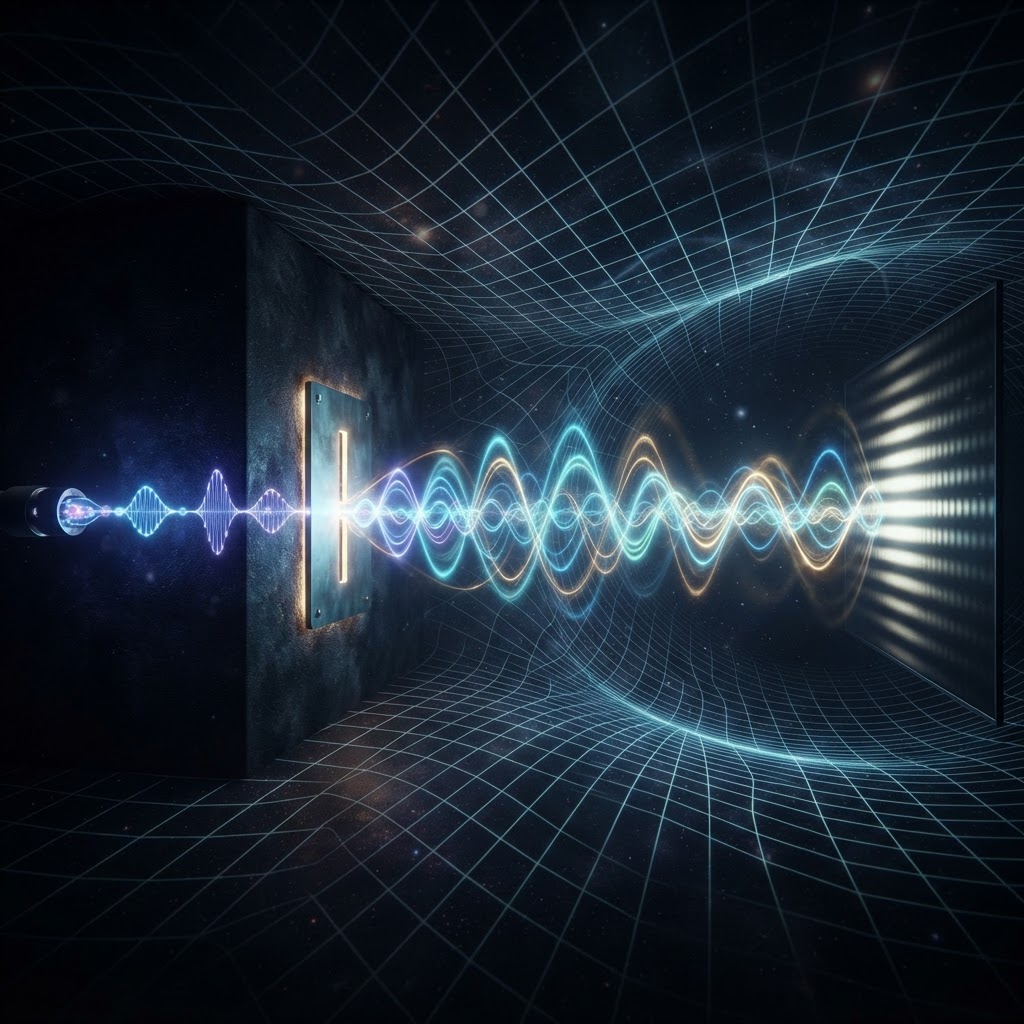
A Century of Quantum Strangeness: The Double-Slit Experiment Revisited
More than a classroom parable, the double-slit has matured into a precision probe of where quantum rules end and classical reality begins.
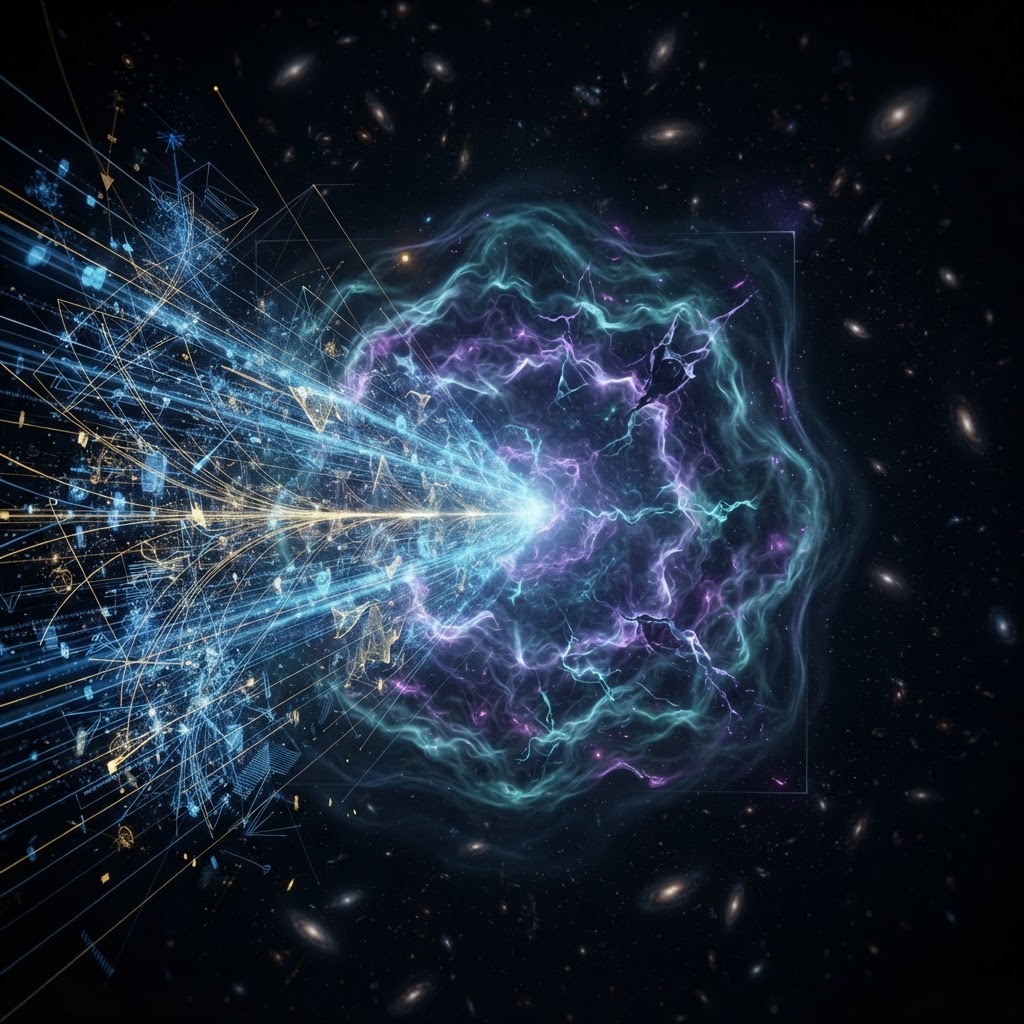
Planck‑scale Lorentz violation faces growing experimental pressure
A new wave of multi‑messenger observations and precision laboratory tests has pushed many simple scenarios for Planck‑scale breakdowns of Lorentz symmetry to the brink.
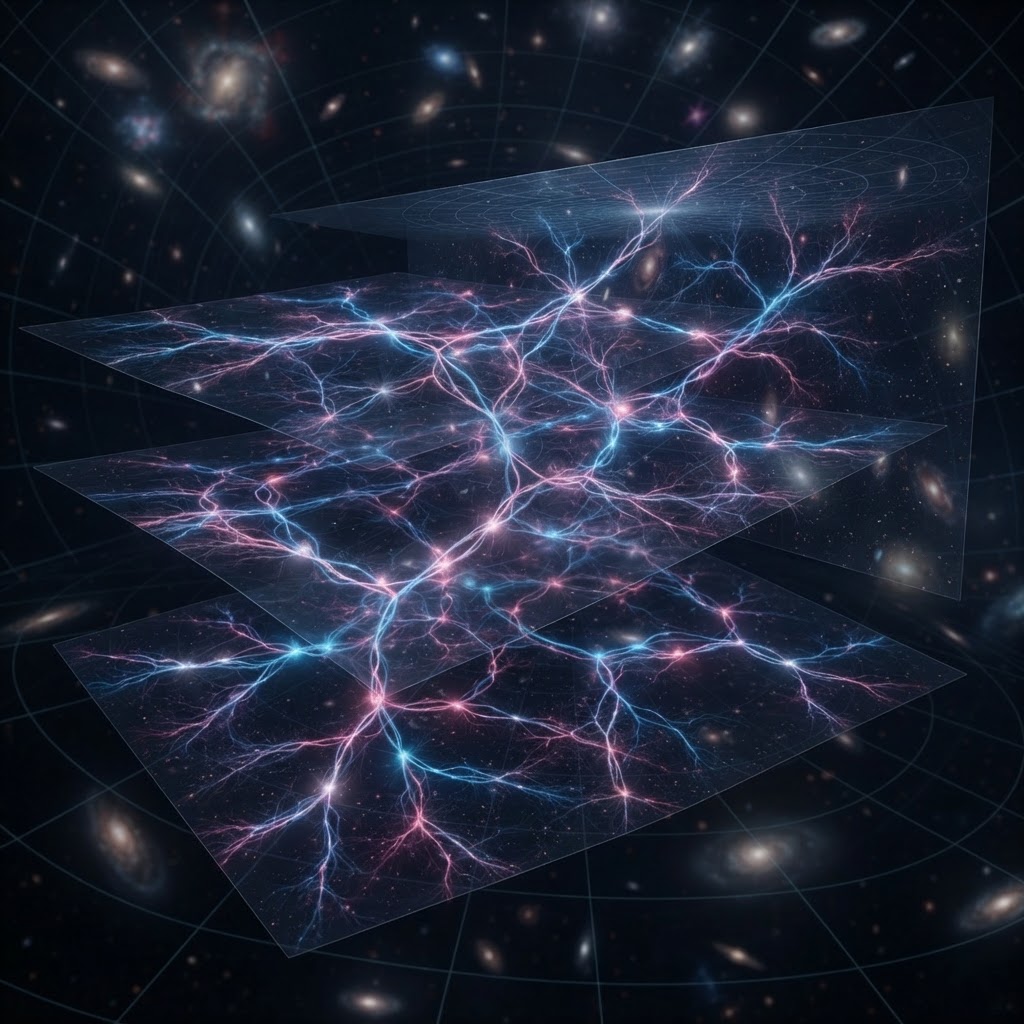
Dark energy as the glow of entanglement: a quantum-network account of cosmic acceleration
A growing body of theoretical work treats the cosmological constant not as a fundamental field but as residual energy in a web of quantum entanglement that builds spacetime itself.

Beyond Hawking Radiation: New Paths Through the Black Hole Information Paradox
A burst of complementary proposals — from semiclassical 'islands' to microscopic fuzzballs and asymptotic soft hair — is reframing how information might escape a black hole.