Climate & Earth Systems
47 articles

The Ozone Hole: From a Cold-Case Discovery to a Policy Success — and Why the Job Isn’t Done
Three decades after the Antarctic ozone hole shocked scientists, coordinated policy has set recovery in motion — but climate change and rogue emissions keep the future conditional.
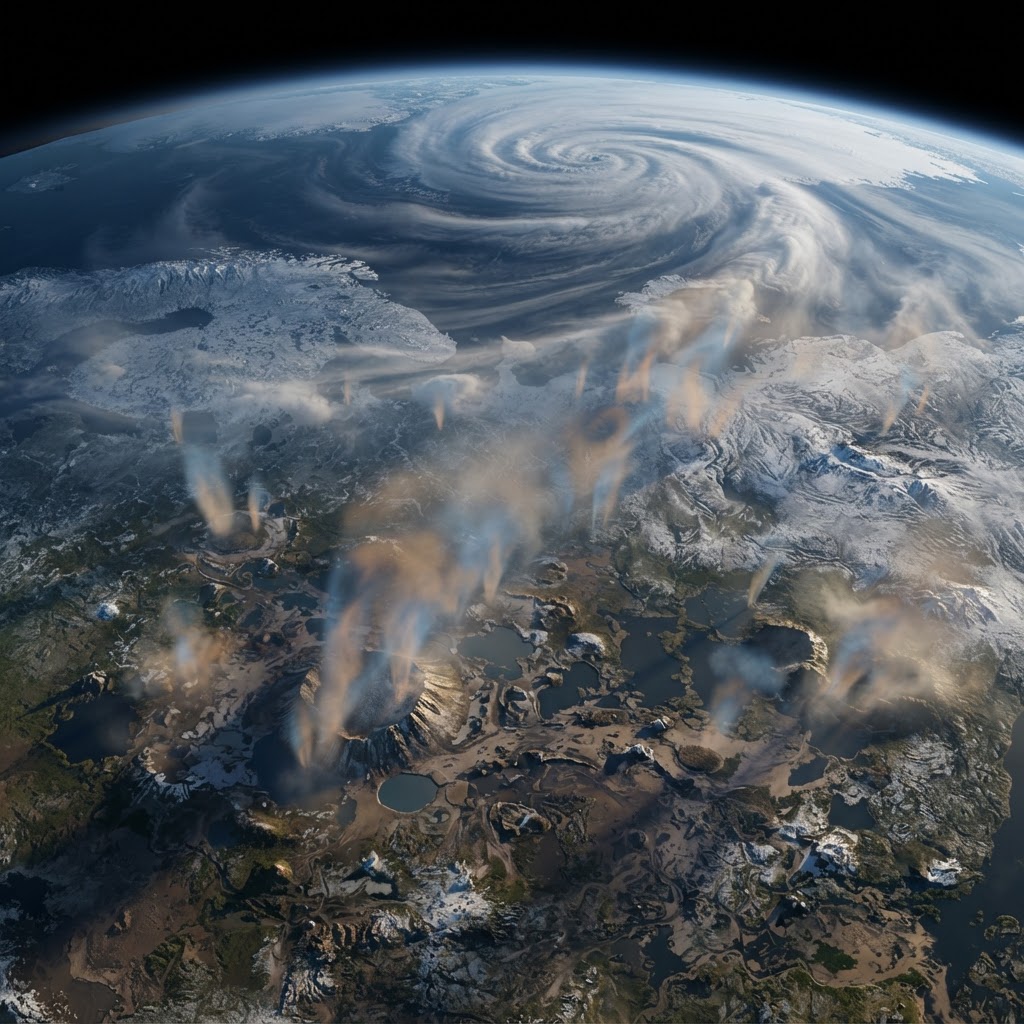
Abrupt Permafrost Thaw Could Trigger Non-Linear Methane Surges
New evidence and modeling converge on a sobering possibility: permafrost collapse may produce step-like methane emissions that are difficult to predict from gradual warming alone.
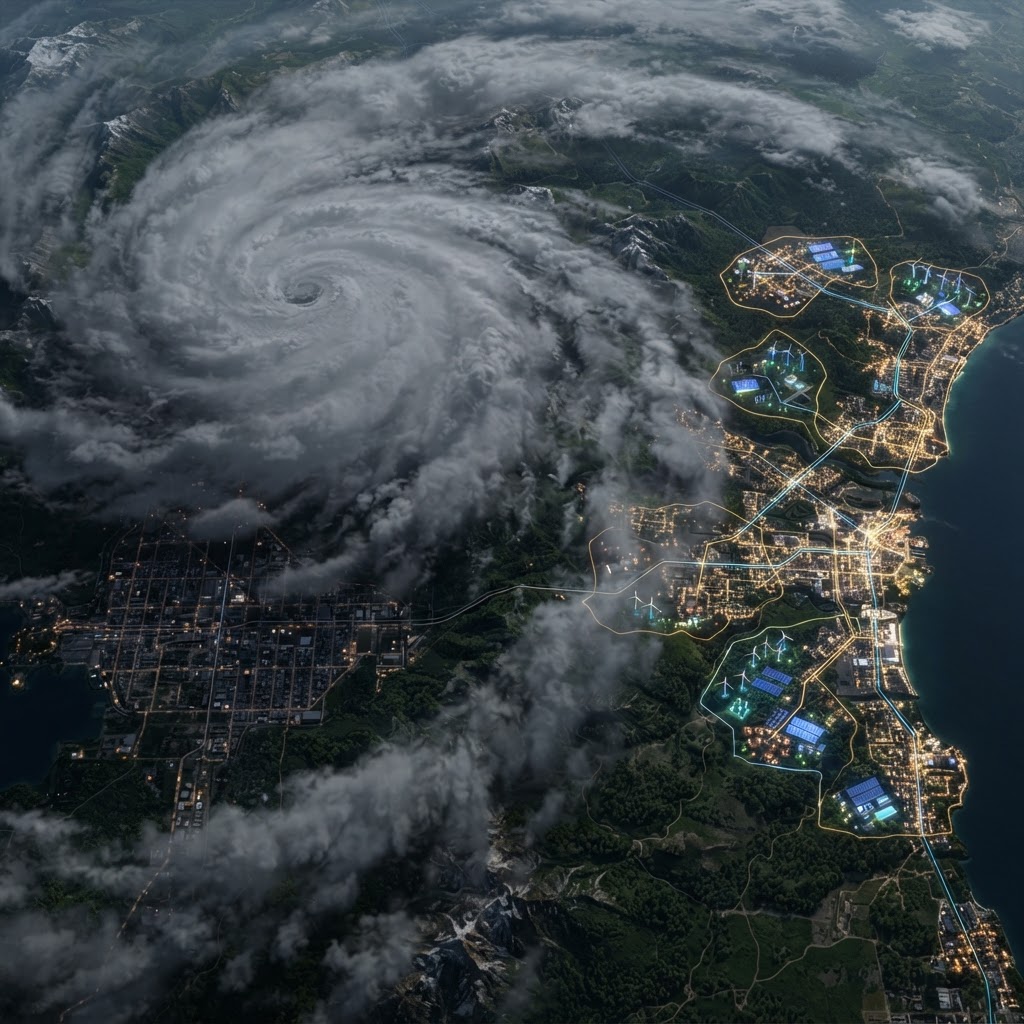
Microgrids Keep the Lights On Through Storms: Field Data Show Self‑Healing Local Power Dramatically Improves Resilience
New field datasets from post-storm deployments demonstrate that islanding microgrids and coordinated distributed generation maintain critical services with far higher availability and faster restoration than centralized systems.

Small Drops, Big Uncertainty: Cloud Microphysics Still Drives Climate Sensitivity Ranges
Differences in how models treat the physics of cloud droplets and ice—not greenhouse gases—explain much of the spread in long-term warming projections.

New Deep‑Ocean Evidence Confirms AMOC Slowdown — Collapse Is Not Imminent
Deep‑Argo, moored arrays and sea‑surface fingerprints jointly show a robust decline in the Atlantic Meridional Overturning Circulation (AMOC) with important feedbacks — but no immediate global climate collapse.

Arctic Methane Models Shift from 'Bomb' to Process-Based Risk Assessment
New generation models resolve thaw cycles, hydrology and microbial kinetics to show higher sustained methane risks but not a single sudden continental-scale 'methane bomb'.

Recovery, Not Collapse: New Synthesis Shows Coral Reefs Can Rebound After Heatwaves — But Not Universally
A multi-site synthesis reveals variable recovery rates driven by symbiont composition, local stressors, and connectivity — bleaching is often reversible, but repeated heatwaves rewrite reef futures.

Schumann Resonances and Life: New Measurements Stir Old Questions About Biological Coupling
Improved global monitoring sharpens observations of Schumann-band variability — but robust evidence for direct biological effects remains limited and contested.

When the Sky Is Engineered: Modeling the Uneven Climate Ripples of Stratospheric Aerosol Injection
New modeling work clarifies that injecting aerosols into the stratosphere would not cool the planet uniformly — it would reweave atmospheric circulation, monsoons and rainfall in regionally complex ways.

Small Droplets, Big Consequences: Why Cloud Microphysics Now Dominate Climate Sensitivity Uncertainty
Recent analyses and models converge on a stark conclusion: the physics of clouds at the microscale — not greenhouse gases or ocean heat uptake — now set the largest bounds on how hot the Earth will get.

Abrupt permafrost thaw is producing non‑linear methane spikes — and models are only starting to catch up
Rapid ground collapse and expanding thermokarst are turning slow carbon leakage into punctuated methane pulses that could accelerate near‑term warming.

Ocean Deoxygenation Is Becoming Self‑Reinforcing — and Approaching Ecosystem Thresholds
As warming and stratification shrink oxygen stores, chemical and biological feedbacks can amplify hypoxia and push coastal and open‑ocean systems toward abrupt collapse.