Biology, Genetics & Evolution
53 articles
The 168-Million-Year-Old Chimera: Rewriting the Mammalian Playbook
A newly discovered Jurassic predator, Megacauda sungei, challenges our linear understanding of mammalian evolution by blending platypus-like anatomy with otter-like predatory traits.
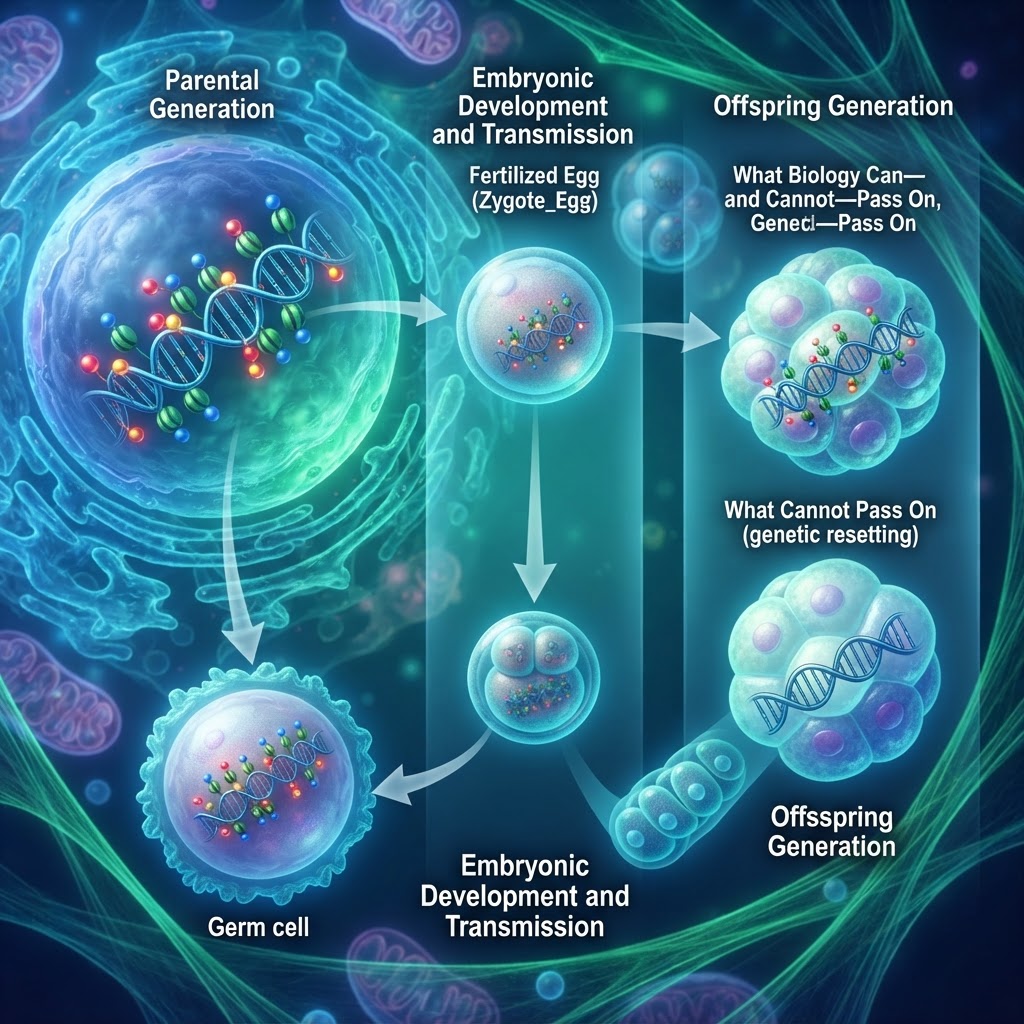
Epigenetic Memory Across Generations: What Biology Can—and Cannot—Pass On
Evidence is accumulating that some environmental effects can outlast an exposed individual, but proving true inheritance remains exceptionally difficult.
Horizontal Gene Transfer Is Rewriting the Speed Limit of Evolution
Across microbes, genes increasingly look less like inherited family heirlooms than useful tools acquired from evolutionary strangers.
Can Evolution Favor the Capacity to Evolve?
Evidence from microbes, cancer, and theory suggests that evolvability can itself be shaped by selection—though not as a simple biological foresight mechanism.
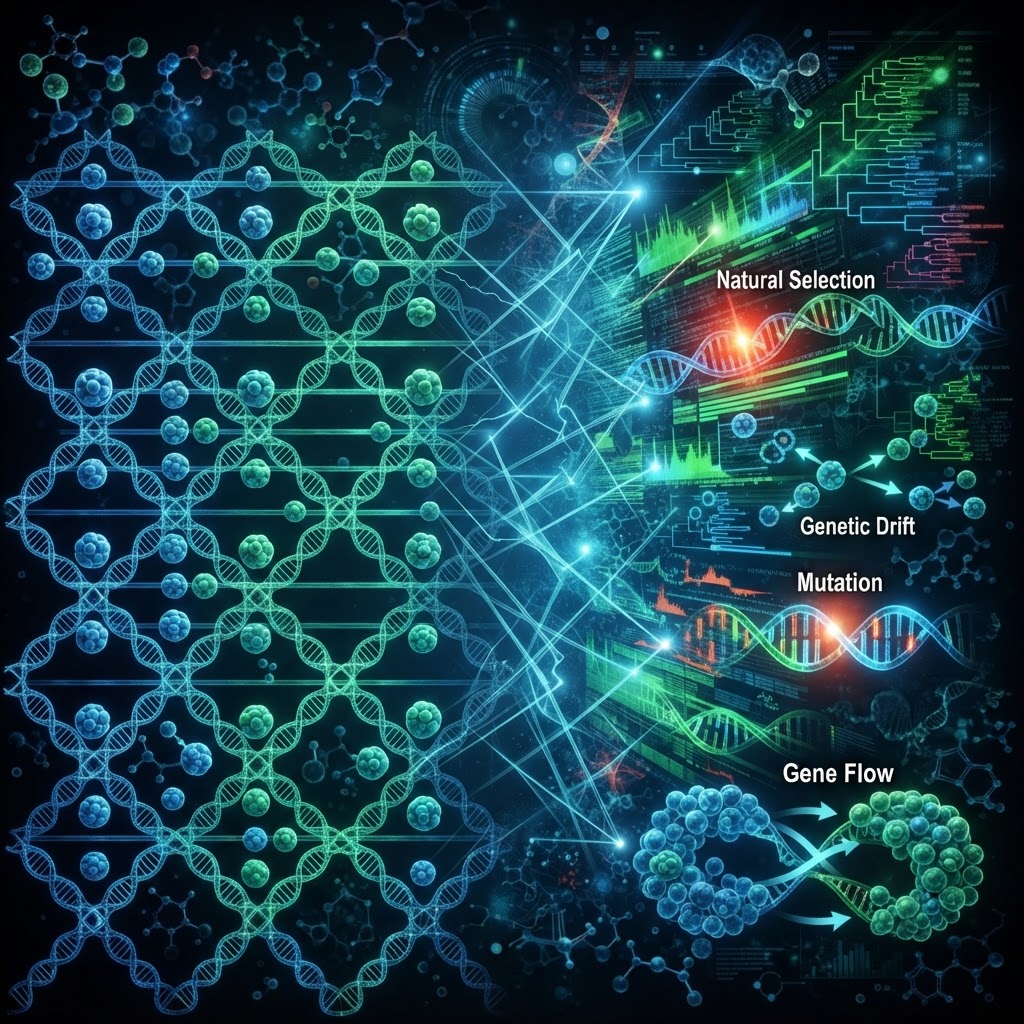
Hardy–Weinberg equilibrium: the null hypothesis of population genetics under modern scrutiny
Once a tidy mathematical null, Hardy–Weinberg is now a practical tool and a probe of complex demographic and social forces revealed by large genomic datasets.
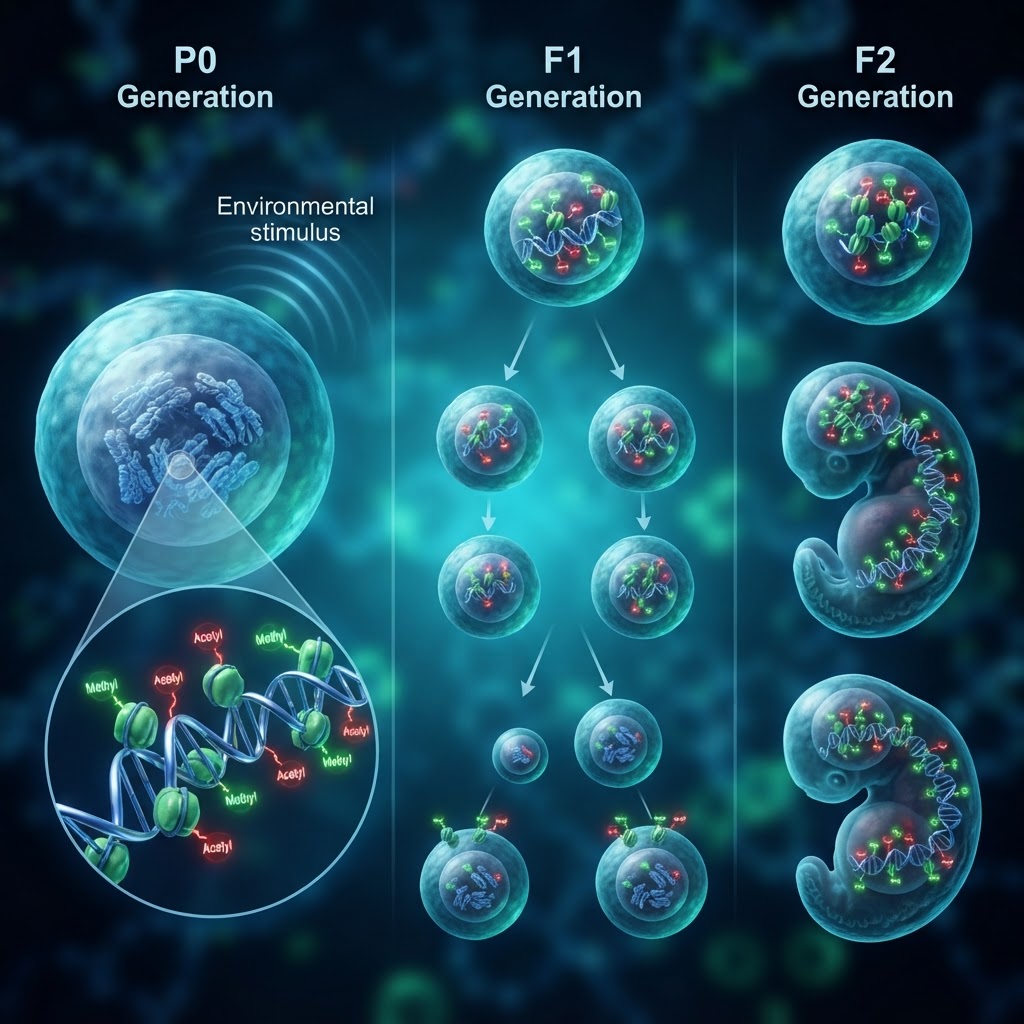
When Inheritance Isn’t Just DNA: Mechanisms and Evolutionary Consequences of Transgenerational Epigenetic Inheritance
Epigenetic marks, small RNAs and extracellular signals can sometimes hop generational boundaries—forcing a rethink of how fast and flexibly lineages respond to changing environments.
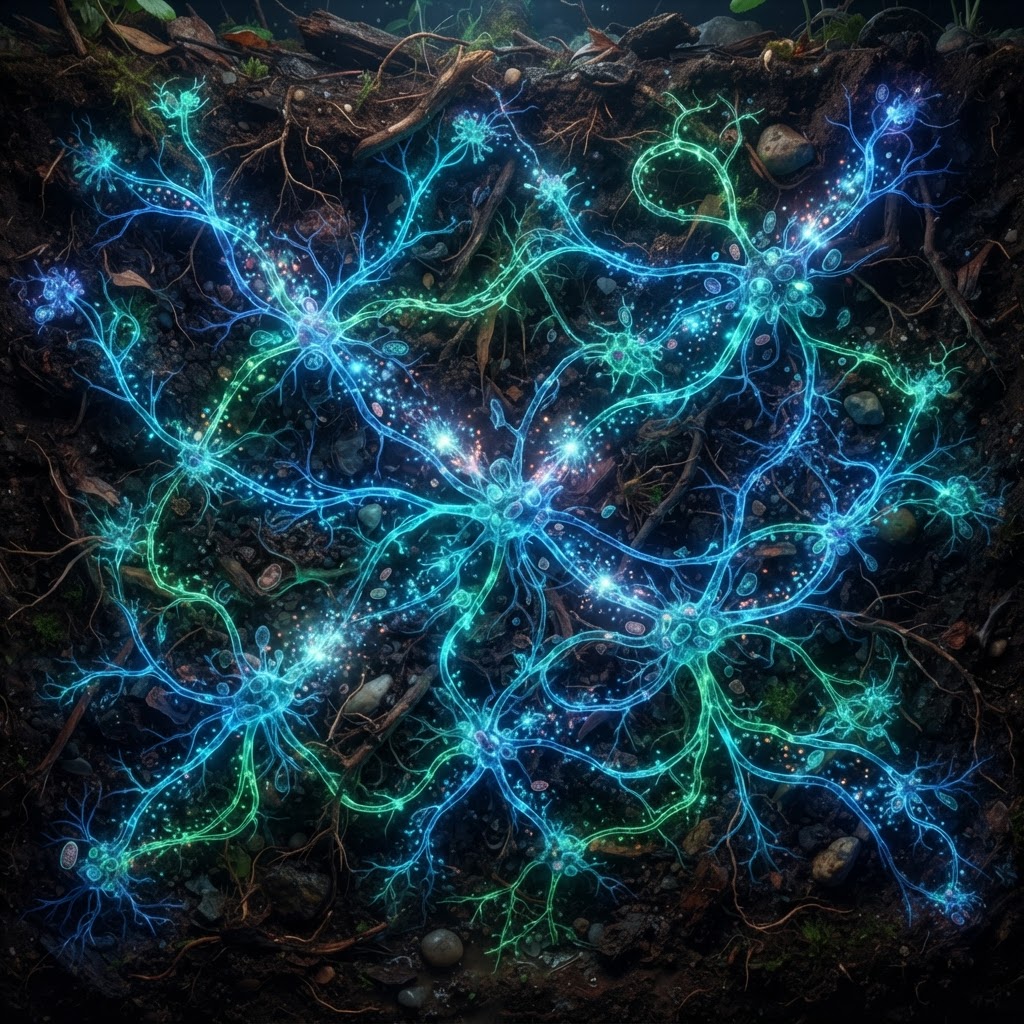
Mycelial Minds: The Case for Collaborative, Decentralized Intelligence in Fungal Networks
New syntheses of mycology and network science argue that fungal mycelia embody coordinated, distributed problem-solving that reframes how we define intelligence in nature.
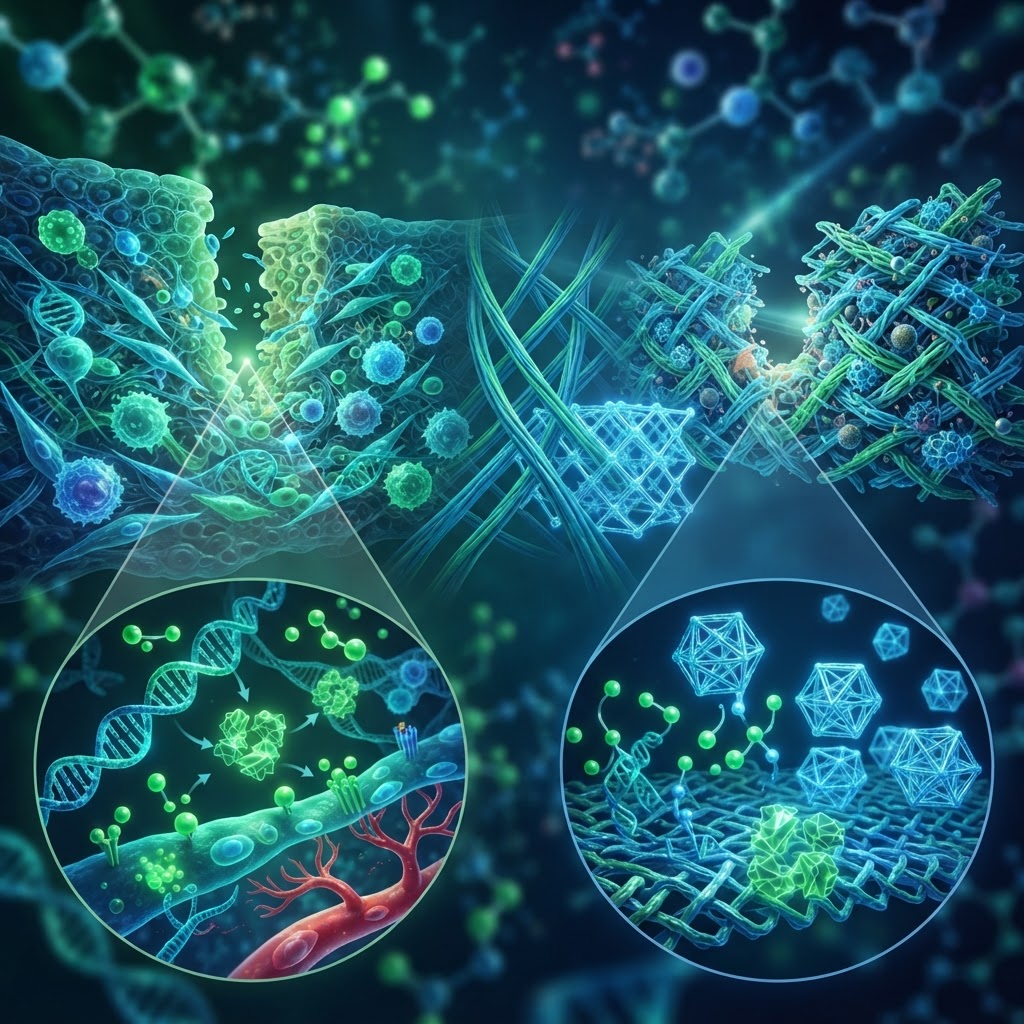
Biological Regeneration as a Design Principle: What Healing Tissues Teach Engineering
Regenerating tissues encode robust, distributed strategies — sensing, memory, graded response and permissive microenvironments — that engineers can translate into adaptive, long-lived systems.
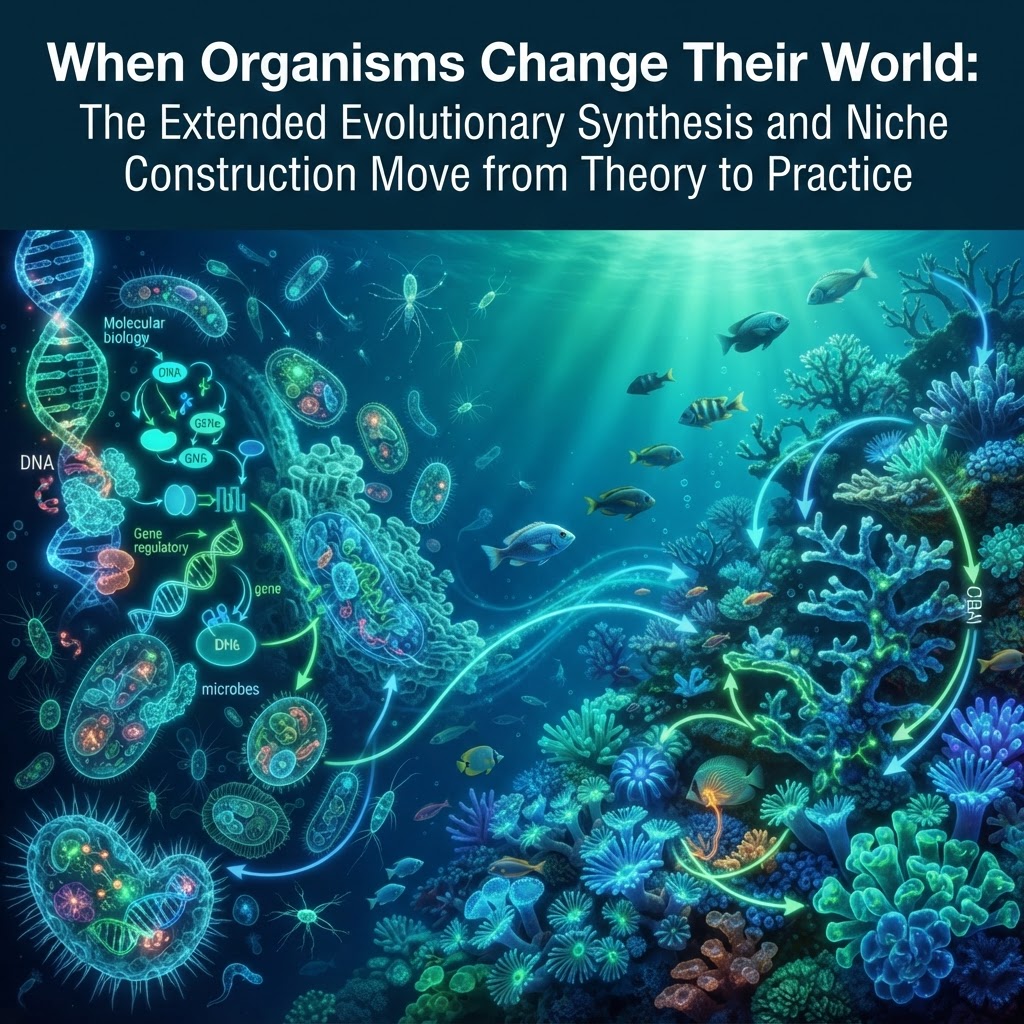
When Organisms Change Their World: The Extended Evolutionary Synthesis and Niche Construction Move from Theory to Practice
A growing body of empirical work and applied research is pushing niche construction and other extended-evolution ideas from controversial proposals toward actionable components of evolutionary science.
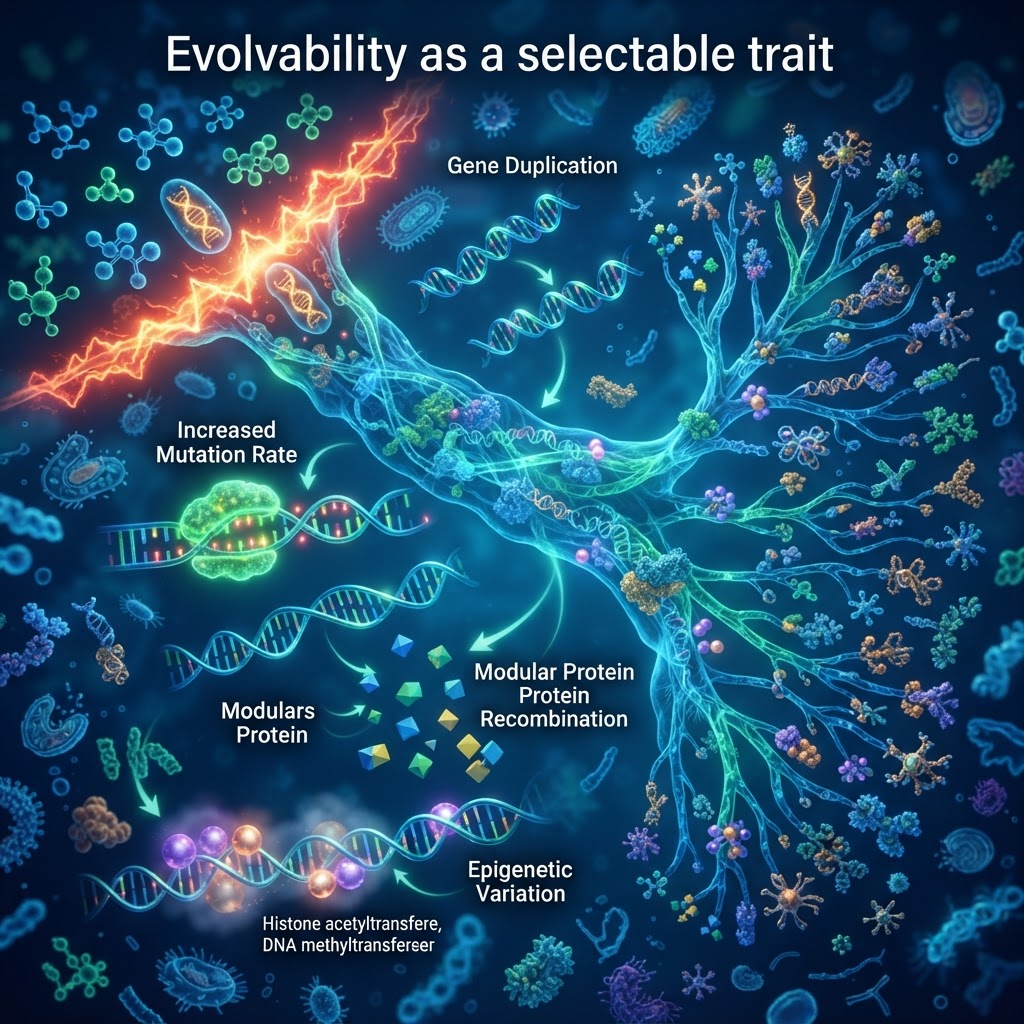
Evolvability as a selectable trait: mounting evidence and the mechanisms that make it possible
Recent theory and experiments increasingly show that the capacity to evolve—evolvability—can itself be shaped by natural selection, but only under specific ecological and population-genetic conditions.

Condensates in the Nucleus: How Phase Separation Built Gene‑Regulation Hubs
Inside the cell nucleus, membraneless droplets — biomolecular condensates — concentrate the machinery of transcription and turn chemistry into decision-making.
Plastic‑Eating Fungi: New Species, Enzymes, and the Real Limits of Biodegradation
Recent isolations of fungi that can depolymerize certain plastics reveal promising enzymatic toolkits — but not a quick fix for the world’s plastic crisis.