Neuroscience & Cognition
75 articles
The Improvisational Brain: How Spontaneous Creation Rewires Neural Architecture
New neuroimaging research reveals that musical improvisation triggers a unique, real-time reorganization of brain networks, bypassing traditional executive control to unlock spontaneous creativity.
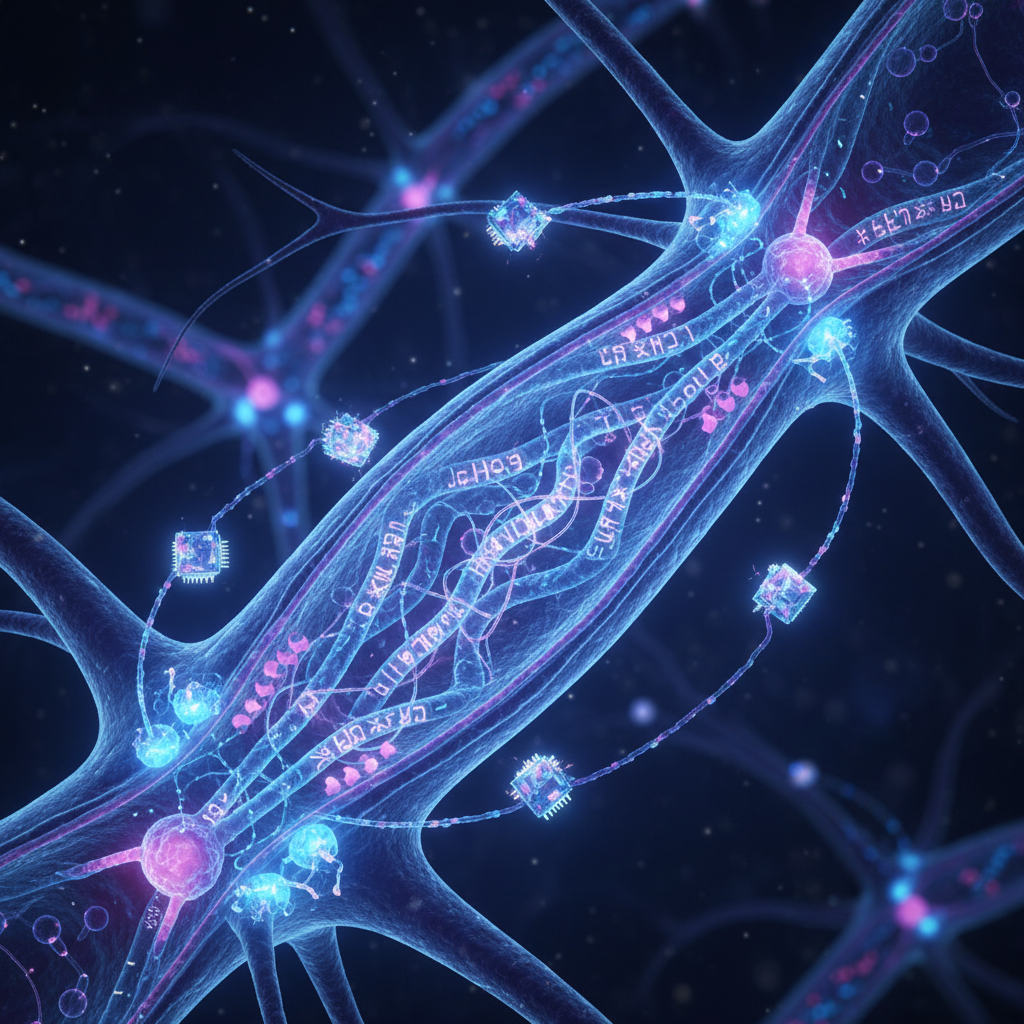
Microtubules May Turn Neurons’ Internal Scaffolds into Signal Processors
New work is sharpening the case that neuronal microtubules do more than support axons: their electrical and biochemical dynamics may help compute inside living cells.
The Dynamic Frontier: Mapping Seizure Propagation in 3D
Novel adaptive light-sheet microscopy resolves the directional flow of electrical storms in the brain, moving beyond static snapshots to real-time volumetric tracking.
The Ghost in the Machine: Can Humans Actually Feel Electromagnetic Shifts?
New evidence suggests the human brain subconsciously detects geomagnetic fields, reigniting a fierce debate over our hidden sensory capabilities.
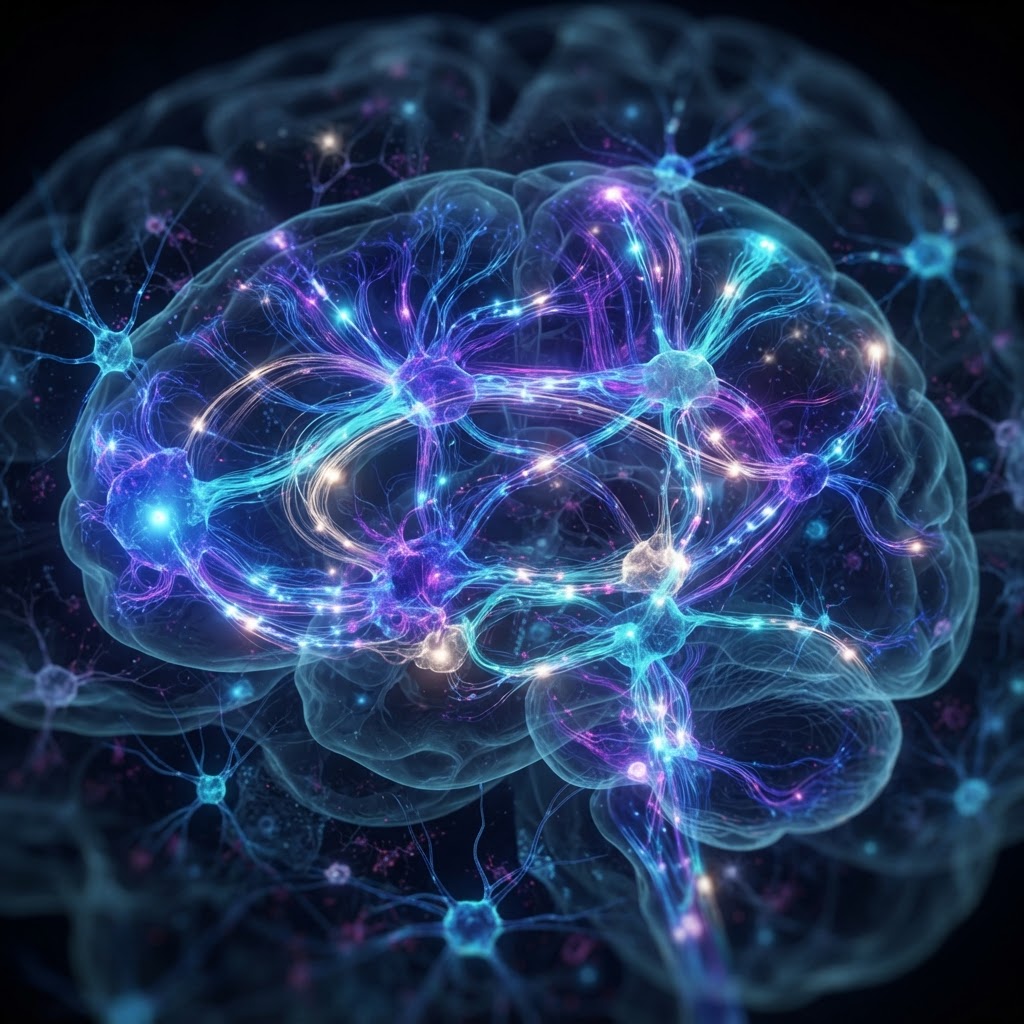
The Default Mode Network Is Not Idle—It Integrates Time
A growing body of research recasts the brain’s “resting” network as a system for stitching moments into meaning.
The Night Shift of Memory: How Hippocampal Ripples Rebuild the Past
In the quiet intervals between experiences, the hippocampus rapidly replays fragments of the day—helping fleeting encounters become durable memories.
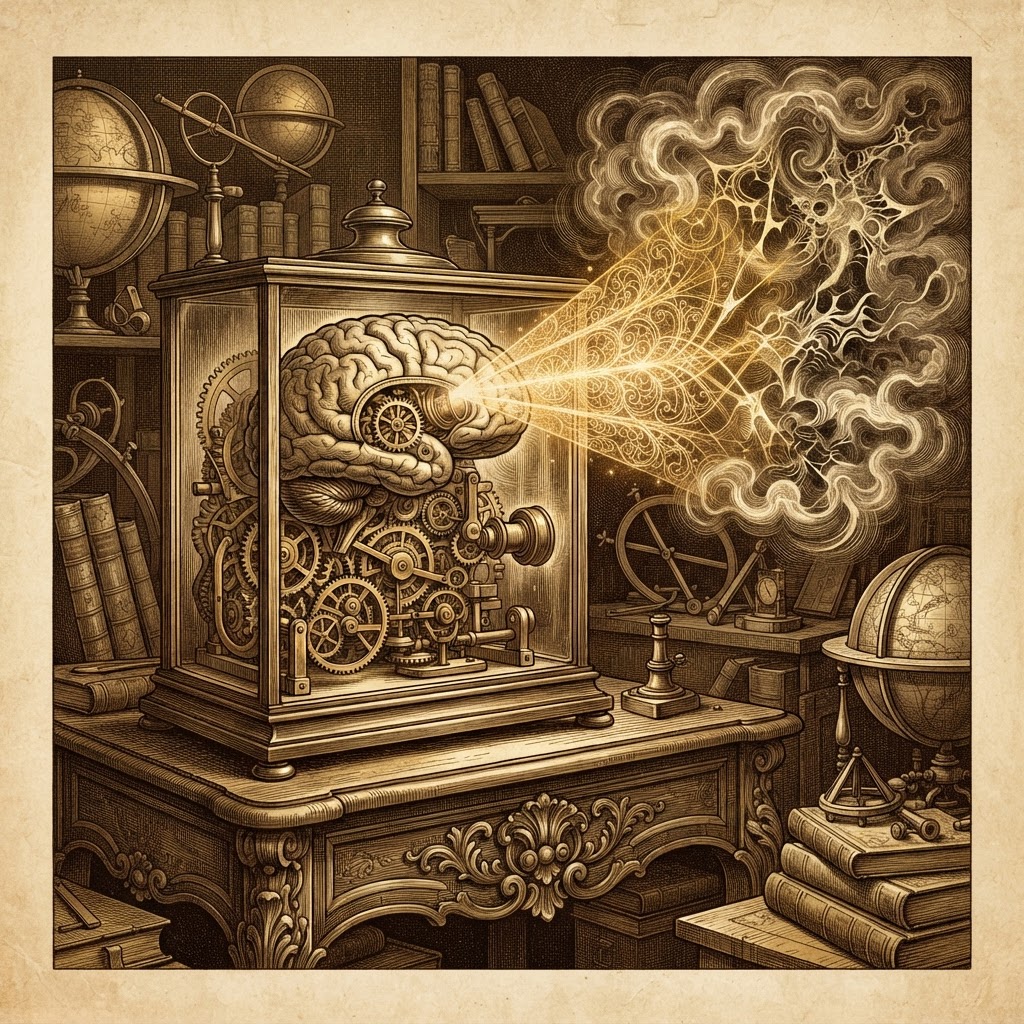
The Brain as a Prediction Engine: Altered States Through the Lens of Predictive Processing
From Helmholtz’s unconscious inferences to psychedelic perception, the mind may be less a window on the world than a continuously revised hypothesis about it.
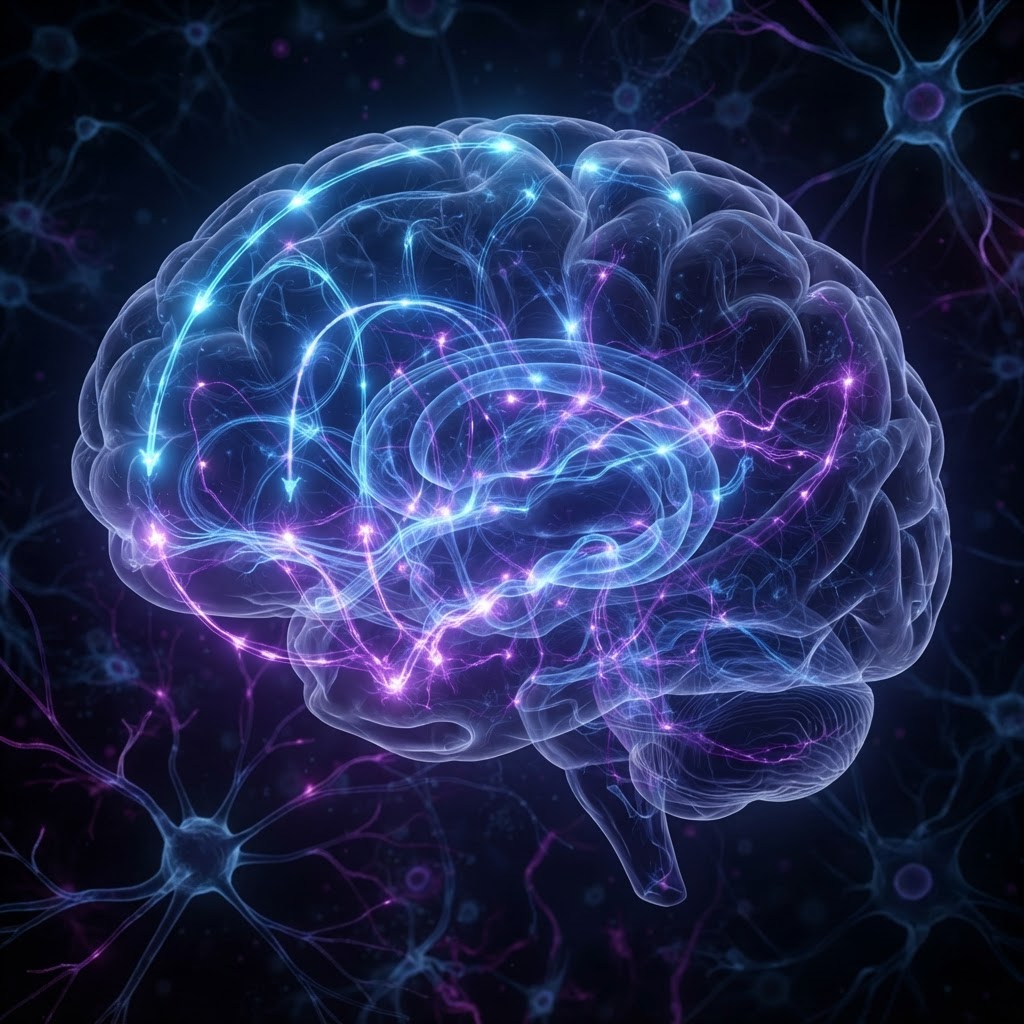
The Brain That Predicts Itself: fMRI Evidence Reshapes Predictive Coding Hierarchies
New high-resolution fMRI studies reveal how the cortex suppresses expected signals and amplifies surprise, vindicating — and complicating — the predictive coding framework at every level of the hierarchy.
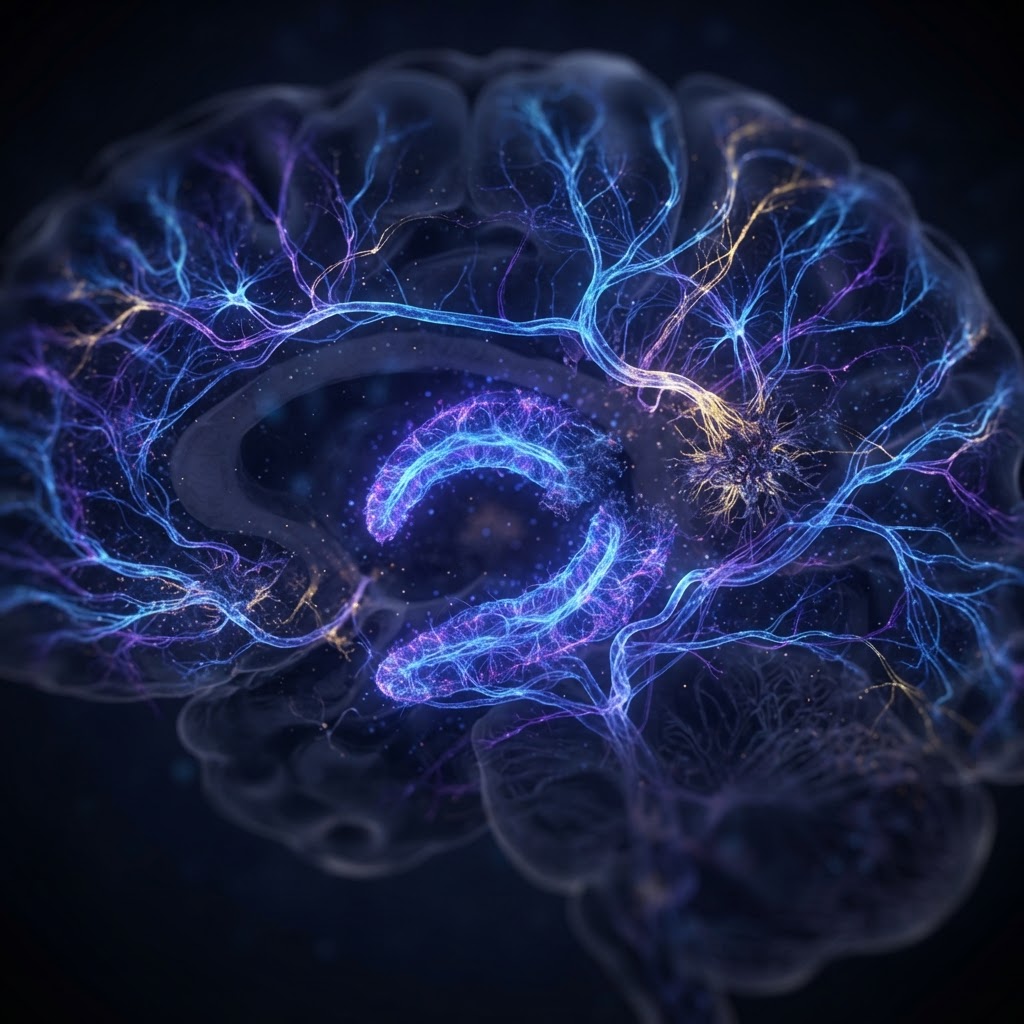
H.M. and the Hippocampus: How a Single Patient Rewrote Our Map of Memory
Beyond 'lost memories' — H.M. taught us that the hippocampus is not a filing cabinet but a temporal architect of experience.
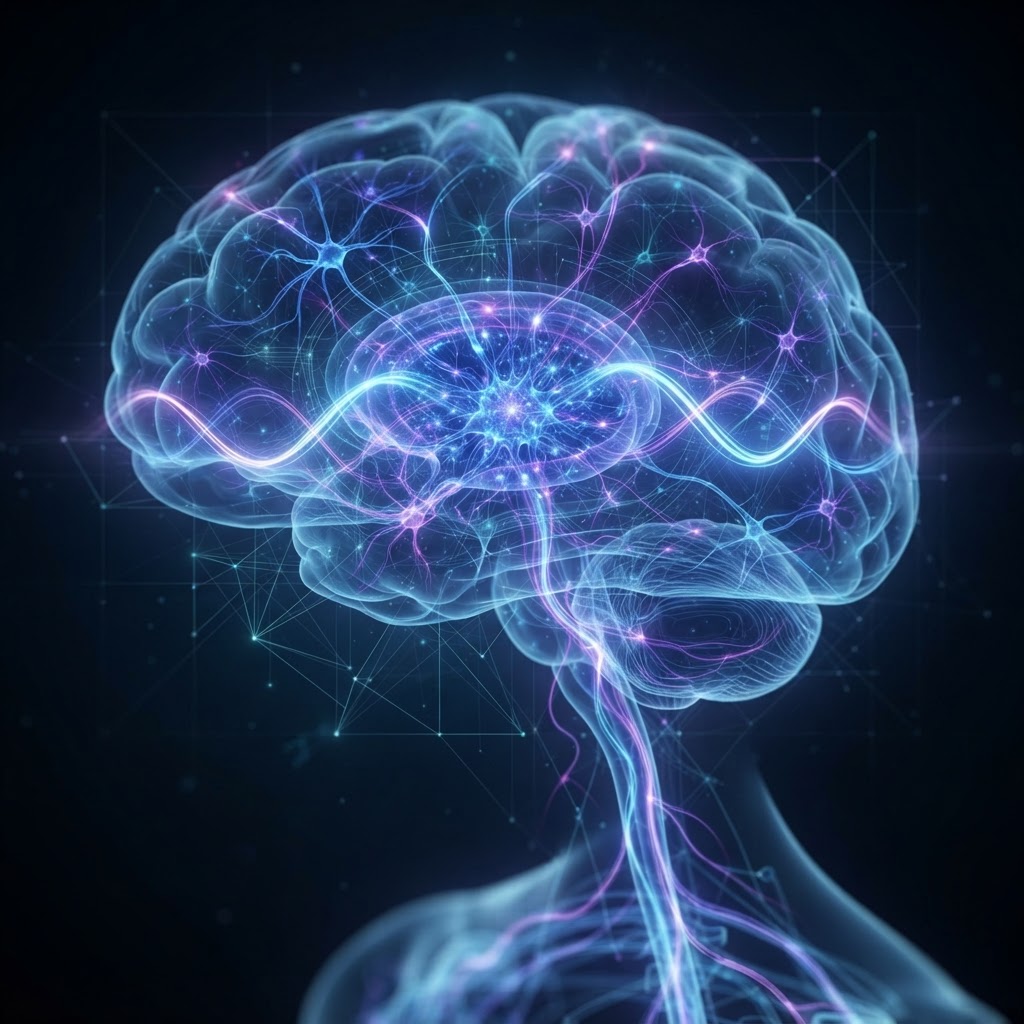
Inner Coherence: Designing Calm, Assistive Human–Computer Coupling
Preserving and leveraging the brain's internal coherence—oscillatory phase, interoceptive signals and predictive hierarchies—enables calm, assistive human–computer coupling that augments capacity without extracting private states.
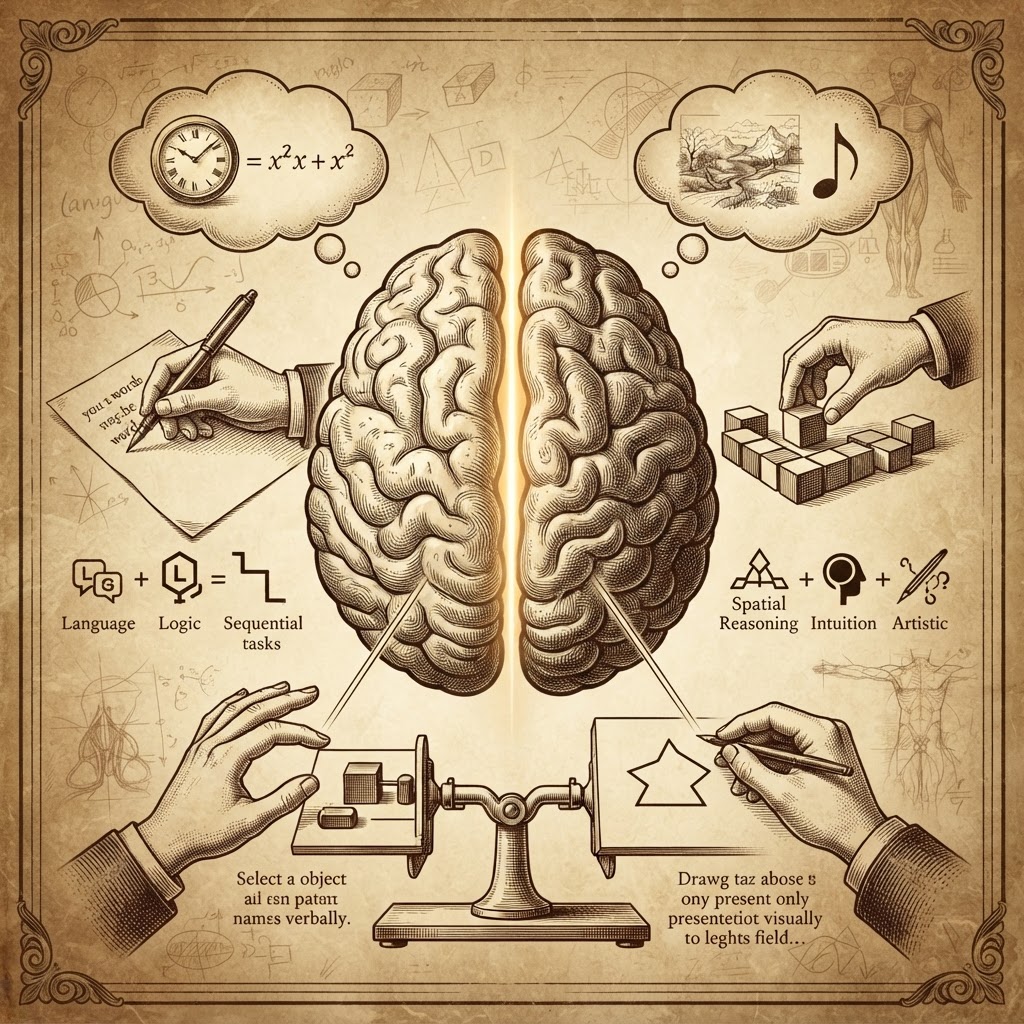
When Minds Came in Pairs: What Split-Brain Patients Taught Us About Consciousness
Severing the bridge between the hemispheres revealed that the brain can harbor two distinct streams of cognition that nevertheless feel, to us, like one mind.
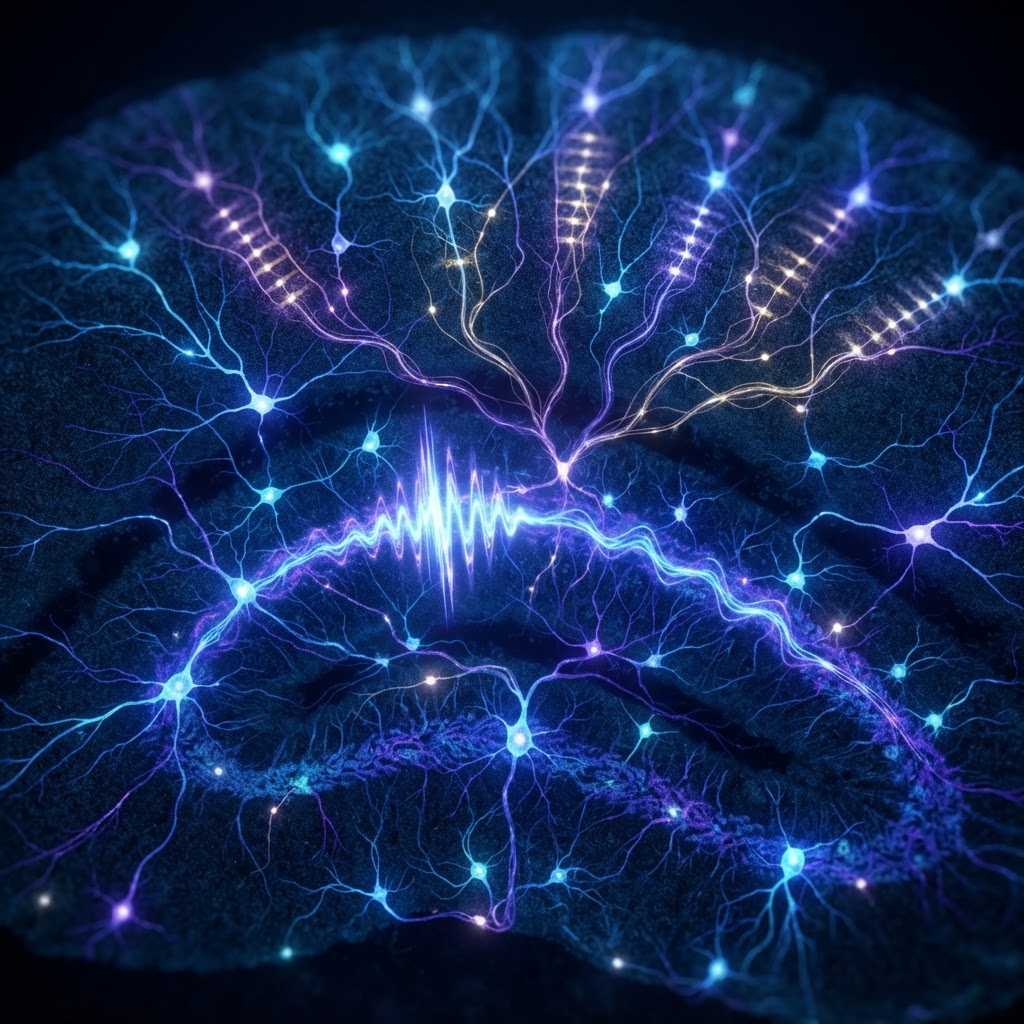
When the Hippocampus Whispers: Sharp‑Wave Ripples and Offline Memory Consolidation
Brief, high‑frequency bursts in the hippocampus—sharp‑wave ripples—appear to stitch recent experiences into long‑term memory by replaying and coordinating neural activity across brain networks during offline states.