Quiet bursts, loud consequences
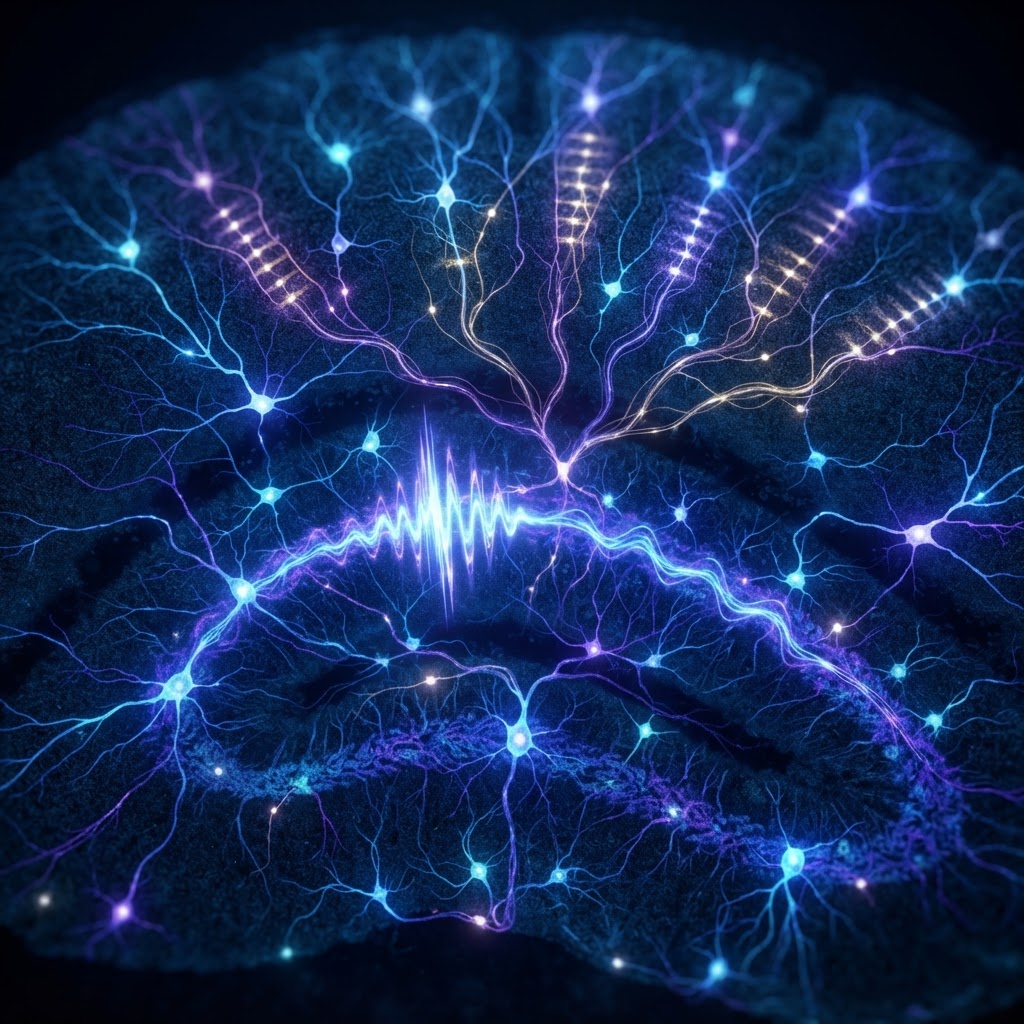
Hippocampal sharp‑wave ripples (SWRs) are short, high‑frequency events—fast oscillations riding on a large dendritic deflection—most prominent during slow‑wave sleep and moments of quiet wakefulness. They last only tens to a few hundred milliseconds, yet mounting evidence positions them as a lynchpin in the brain's offline consolidation of episodic and spatial memories. SWRs are generated by coordinated activity in hippocampal circuits (notably CA3→CA1) and compress sequences of spiking that mirror prior experience into highly condensed replay episodes.
From correlation to causation
Correlative recordings in rodents showed that spike sequences during SWRs recapitulate paths taken during prior behavior; more recent closed‑loop interventions delivered causal proof. Selective suppression of ripples during post‑learning sleep or brief awake pauses degrades subsequent spatial memory performance, while disrupting awake SWRs impairs immediate learning and decision accuracy in navigation tasks. Conversely, timed stimulation that augments replay‑related coordination can improve retention. Together these manipulation studies elevated SWRs from an intriguing correlates to mechanistic contributors in consolidation.
Systems dialogue: hippocampus and cortex
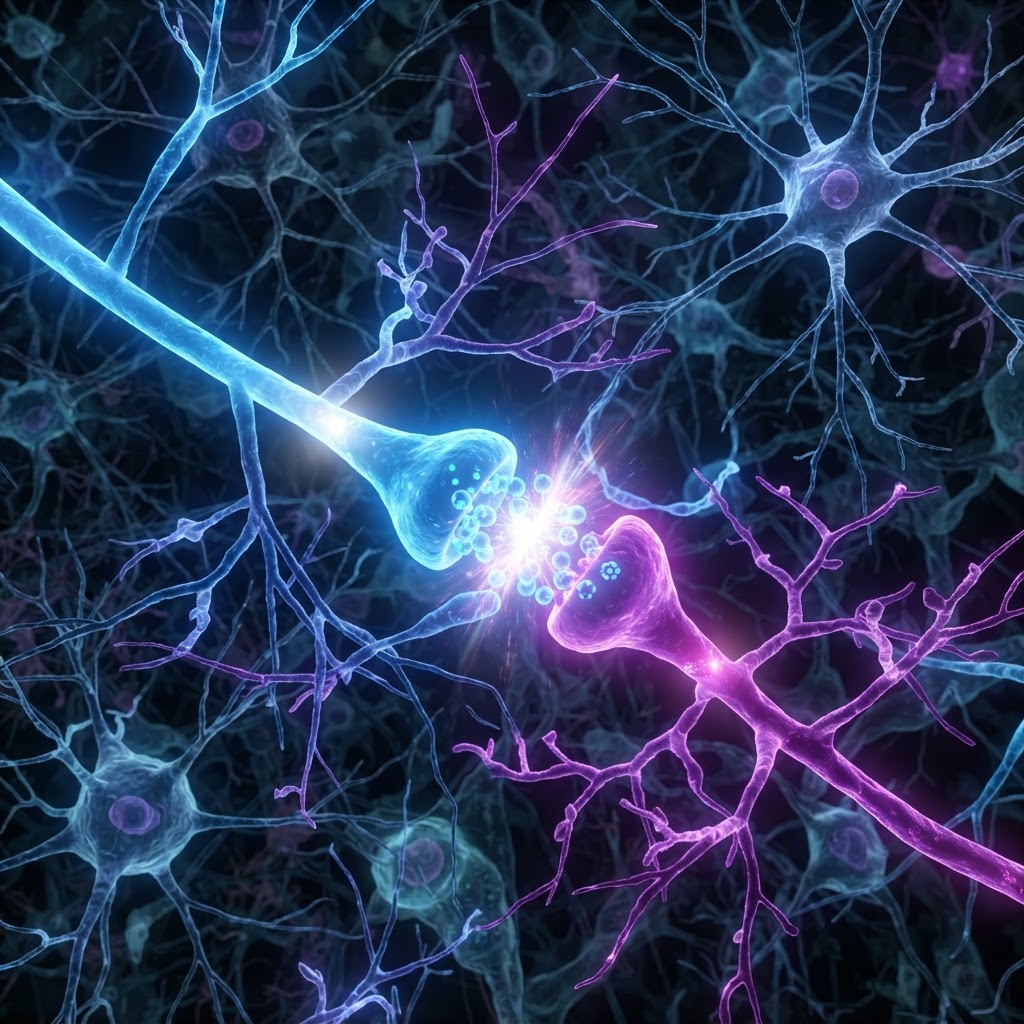
SWRs do not act in isolation. During non‑REM sleep hippocampal ripples are temporally linked with neocortical slow oscillations and thalamo‑cortical spindles, forming a tripartite window that appears optimal for hippocampo‑cortical information transfer. Multi‑region recordings reveal that ensembles in prefrontal and parietal areas often show compressed reactivation time‑locked to hippocampal ripples, consistent with a model in which the hippocampus broadcasts compressed content to cortex for integration and long‑term storage.
Active debates and nuances
Important controversies persist. First, are SWRs necessary for all types of memory consolidation, or principally for spatial/episodic traces that depend on relational hippocampal coding? Second, replay content varies—forward, reverse, fragmentary—and not all ripples carry clear replays of experience; some may support offline planning, credit assignment, or homeostatic regulation of synaptic weights. Third, timing matters: the interplay with sleep stage and cortical oscillations appears essential, but the precise rules that determine whether a given ripple triggers durable cortical plasticity are unresolved.
Human relevance and translational prospects
Intracranial recordings in people undergoing epilepsy monitoring detect ripple‑band events with behavioral correlates that mirror animal findings: ripple incidence and timing relate to memory encoding and retrieval success. These observations have sparked interest in therapeutic modulation—targeted stimulation during sleep to enhance natural SWR‑coordinated replay, or closed‑loop disruption to suppress maladaptive memory consolidation (for example, intrusive memories). The approach is promising but early: stimulation can bias consolidation, yet off‑target effects and the diverse functions of ripples caution against premature clinical application.
Where next?
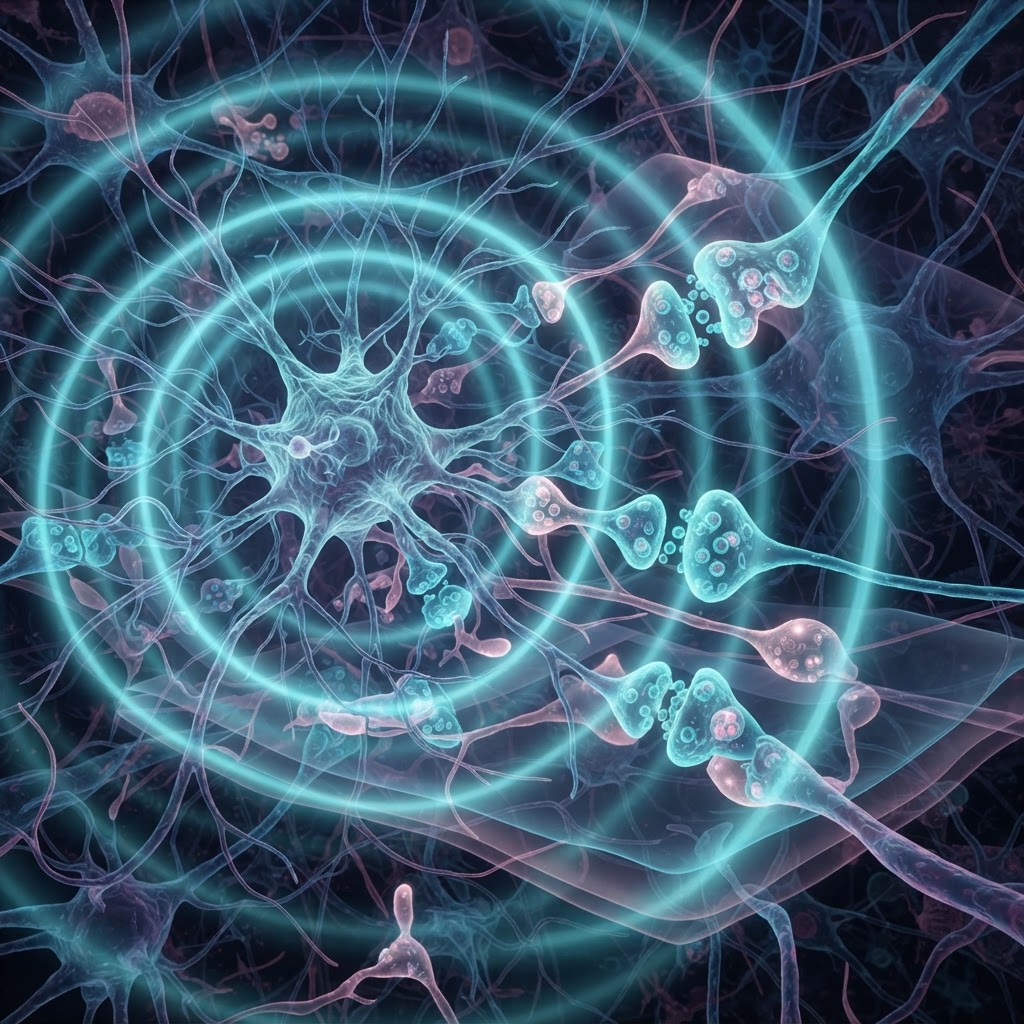
Progress now depends on three converging advances: simultaneous, high‑density recordings across hippocampus and cortex to map cross‑region content transfer; refined closed‑loop perturbations that distinguish subtypes of ripples and replay; and molecular/optogenetic dissection of plasticity mechanisms engaged downstream of ripples. Clarifying when and how a brief hippocampal whisper becomes a stable cortical story will be decisive for both theory and therapy.
Key references- Animal causal studies linking ripple disruption to memory deficits.
- Multi‑region recordings showing cortical reactivation time‑locked to hippocampal ripples.
- Human intracranial work associating ripples with episodic memory performance.