Out of bounds
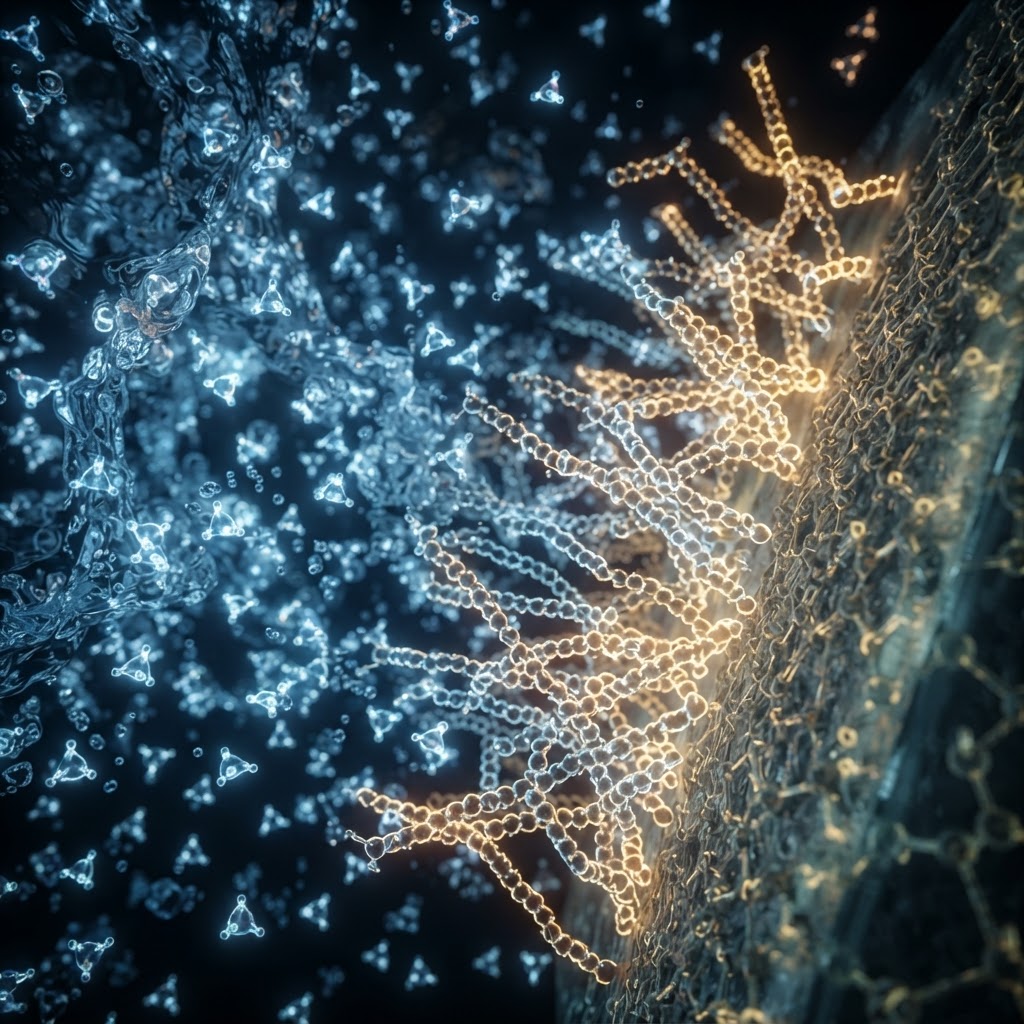
In 1966 Greisen and independently Zatsepin & Kuzmin predicted a hard ceiling on the energies of cosmic rays that reach Earth. Interactions with the cosmic microwave background (CMB) should sap the energy of protons above roughly 5×10¹⁹ electronvolts by producing pions — the so-called GZK cutoff. That prediction turned a logical corner: the Universe is not transparent to arbitrarily energetic protons.
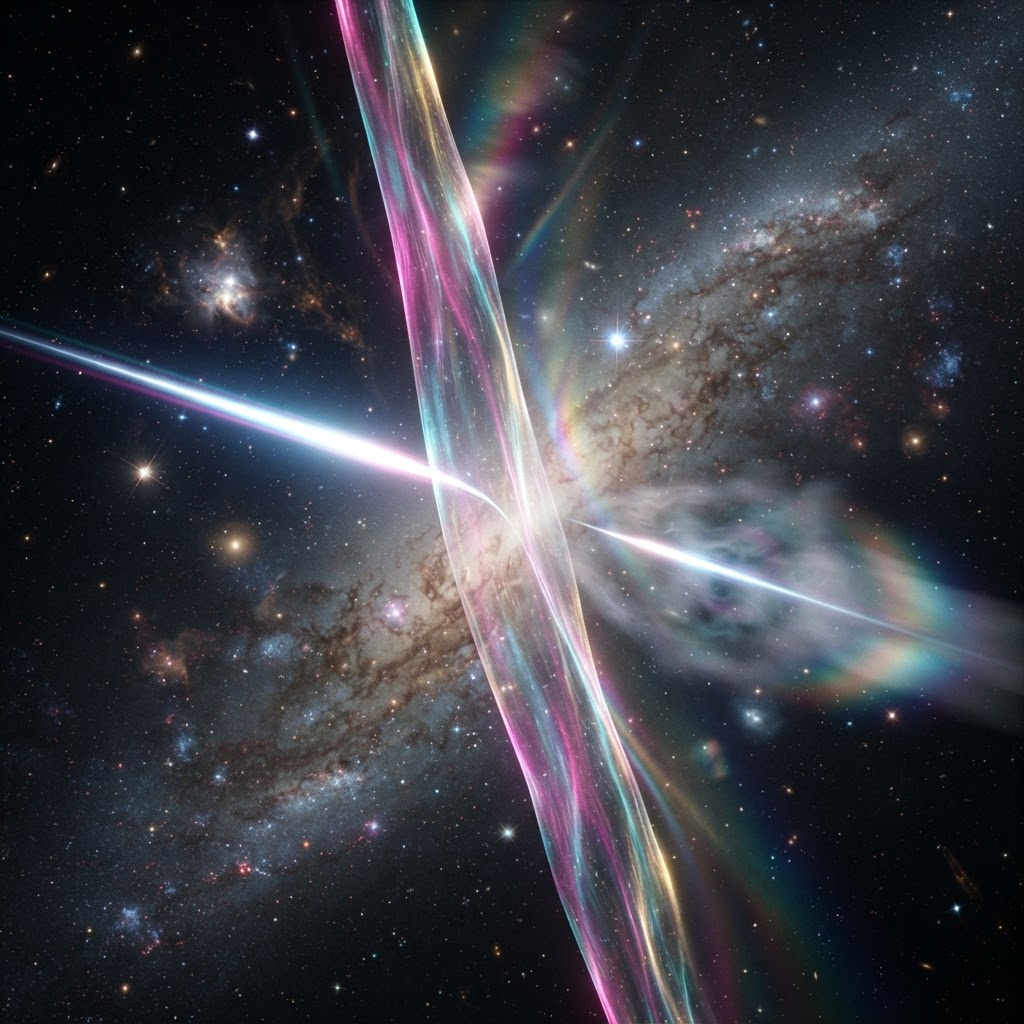
So the surprise is simple: observatories keep finding particles above the GZK threshold. The Pierre Auger Observatory and Telescope Array have recorded events with energies that nominally exceed the cutoff. Rather than a settled textbook chapter, the GZK question is an active, stubborn mystery.
Why this is puzzling
The physics at stake is crisp. If the highest-energy particles are protons and they come from far away, the CMB should prevent them from arriving with energies above the cutoff. The alternatives are few and consequential:
- Nearby astrophysical accelerators within the ~100 megaparsec GZK horizon: powerful, but rare sources like radio-loud AGN, gamma-ray bursts, or starburst galaxies.
- Heavy nuclei instead of protons: nuclei interact differently with background photons (photodisintegration rather than pion production), changing the effective horizon and arrival energies.
- Exotic physics or top-down scenarios: decays of super-heavy relics, topological defects or violations of Lorentz invariance, which would rewrite propagation physics.
Where the evidence points — and why it confuses
Observational constraints are frustratingly ambiguous. Auger’s composition-sensitive measurements suggest an increasing fraction of heavy nuclei at the highest energies; if true, that reduces the tension with the GZK expectation by changing interaction pathways. Yet heavy nuclei are more easily deflected by magnetic fields, erasing directional correlations and making source identification harder.
Conversely, Telescope Array and some earlier results are compatible with a lighter composition, and the TA