From slow leak to sudden gush
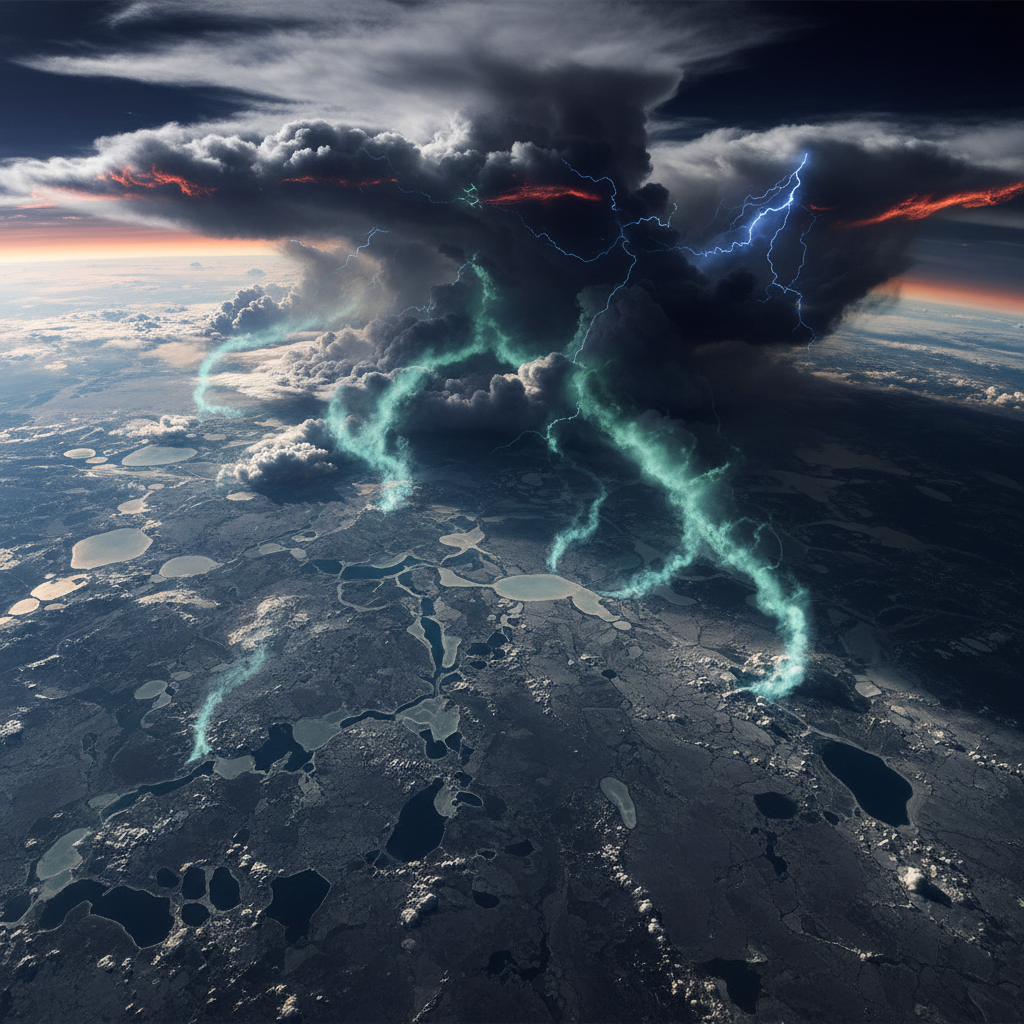
Permafrost has long been framed as a slow-release carbon reservoir: as soils warm, microbes respire stored organic matter, emitting carbon dioxide and some methane over decades. Recent fieldwork and modeling, however, paint a different picture for large swathes of the Arctic. Where ice‑rich ground collapses — forming thermokarst valleys, thaw slumps and lakes — deeply buried, previously frozen organic matter is suddenly exposed to microbes and water. Those abrupt thaw events create anaerobic conditions ideal for methane (CH4) production, producing pulses of emissions that are not proportional to gradual surface warming.
Why the response is non‑linear
Three structural reasons make methane release non‑linear:
- Access to deep, labile carbon: Yedoma and other ice‑rich deposits hold organic material that has been isolated for millennia; abrupt thaw mobilizes this material quickly.
- Rapid hydrological change: Ground collapse often creates standing water or connecting taliks, shifting aerobic soils into anaerobic zones where methanogenesis dominates.
- Localized hotspots and thresholds: Thermokarst lakes and slumps can become intense, spatially concentrated emitters — a few hectares can emit quantities of methane equivalent to much larger areas of gradual thaw.
These processes produce temporal and spatial bursts of methane rather than a steady ramp-up. In systems with threshold behavior — for example where an ice wedge collapses and a new lake forms — emissions can accelerate in a matter of months to years, not centuries.
Evidence from the field and the sky
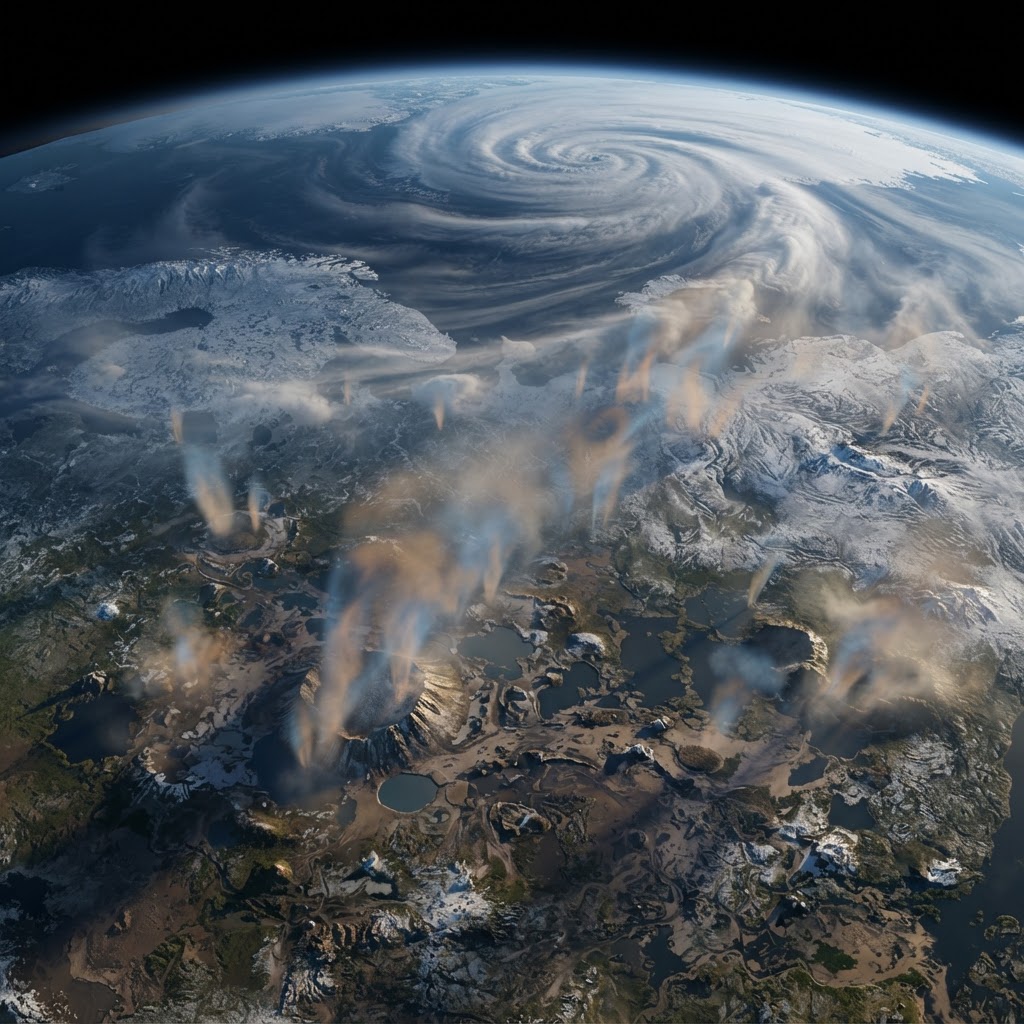
Field campaigns have documented expanding thaw slumps, sudden lake formation, and high CH4 fluxes from thermokarst features. Aircraft and remote sensing surveys have captured concentrated methane plumes above some thermokarst lakes, while satellite missions (e.g., TROPOMI) are beginning to reveal regional CH4 anomalies that align with permafrost disturbance in summer months. These empirical observations match calls from recent syntheses that abrupt thaw is a qualitatively different mode of permafrost carbon release.
Implications for models and policy
Most Earth system models still represent permafrost loss as a relatively smooth response to warming, emphasizing surface warming and heterotrophic respiration. Models that omit abrupt thaw likely underestimate both the rate and non‑linearity of methane emissions this century. That matters: methane is a potent short‑lived climate forcer. Pulses of methane from abrupt thaw could amplify Arctic warming on decadal timescales, hastening further thaw and creating feedback loops.
But important caveats remain: some thawed carbon will be oxidized to CO2; vegetation regrowth can re‑sequester carbon in places; and methane produced in deeper anaerobic layers may be partially oxidized before reaching the atmosphere. The net global warming effect depends on the balance of these processes and on the timing and magnitude of pulses.
What comes next
Bridging the gap between observations and models is now urgent. Targeted monitoring of thermokarst hotspots, improved representation of abrupt thaw dynamics in models, and coordinated airborne and satellite methane detection are practical next steps. For policy, the implication is clear: near‑term mitigation of CH4 and CO2 emissions from human sources remains vital — abrupt permafrost emissions add uncertainty to the climate trajectory but are not a substitute for rapid decarbonization.