Why Leopold matters now
Seventy-five years after Aldo Leopold published A Sand County Almanac, his call for a "land ethic"—the idea that humans should regard themselves as members, not conquerors, of the biotic community—is reappearing across scientific, legal and policy arenas. The reasons are practical as well as philosophical: governments and markets are drafting restoration targets, biodiversity-offset schemes and carbon-credit frameworks that require an underlying ethical stance about what counts as responsible land use.
The ethic, in one sentence
Leopold’s land ethic reframes conservation from property-rights or utility maximization to moral membership: the health of soil, waters, plants and animals matters intrinsically and as a condition of human flourishing. That shift may sound abstract, but it changes priorities in measurable ways—what is restored, who benefits, and how success is judged.
Contemporary inflections
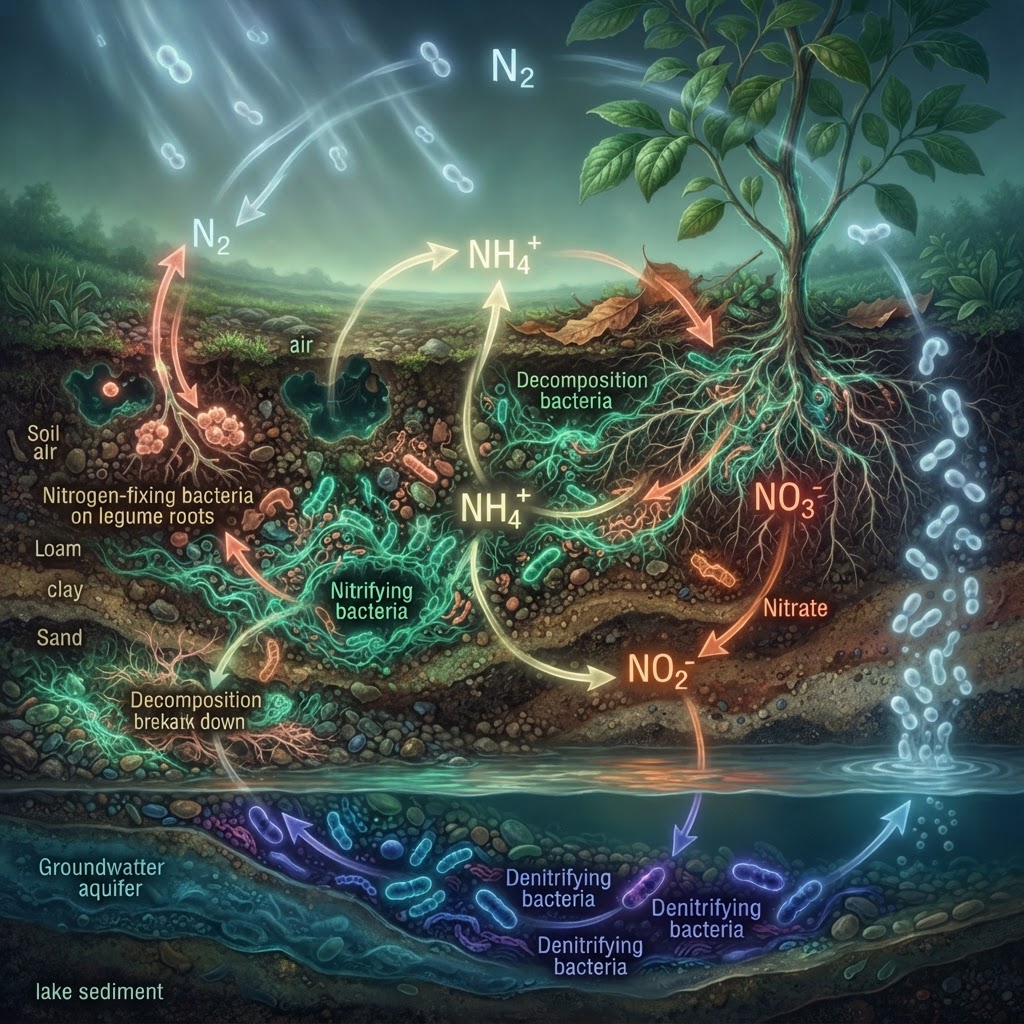
- Restoration policy. The UN Decade on Ecosystem Restoration (2021–2030) and national commitments increasingly tie targets to ecological function rather than simple acreage. That echoes Leopold’s emphasis on processes—soil stability, nutrient cycling, trophic relationships—over mere land cover.
- Markets and skepticism. Biodiversity-offsets and carbon-credit markets promise scalable incentives to protect land, but critics warn these instruments can instrumentalize ecosystems—treating living communities as fungible commodities rather than members with moral standing.
- Indigenous resurgence. Indigenous stewardship models—in which responsibilities and reciprocity are central—have been shown repeatedly to yield high biodiversity outcomes. Scholars and communities are now reinterpreting Leopold alongside Indigenous knowledge systems, exposing where the land ethic converges with and diverges from longstanding relational frameworks.
Science, ethics and practice intersect
Empirical ecology validates many of Leopold’s intuitions: intact food webs, functional soils and hydrological connectivity deliver resilient landscapes and climate buffers. Yet translating ecological findings into policy still requires ethical choices. For example, should restoration prioritize historical baselines, novel ecosystems adapted to new climates, or human use values?
Where debates lie
The most active debates are procedural as much as technical. Who gets to decide what constitutes "health" for a landscape? How should trade-offs between short-term economic needs and long-term ecological integrity be governed? A land ethic that is inclusive—recognizing Indigenous rights, rural livelihoods and scientific knowledge—offers a path, but implementing it demands institutional redesign.
Practical levers
- Embed ecological health metrics into subsidy and incentive programs so payments reward function, not just tree counts.
- Co-design restoration targets with Indigenous and local communities to align moral commitments and ecological outcomes.
- Use legal innovation—rights of nature, fiduciary duties for trustees of public lands—to institutionalize obligations to the biotic community.
Conclusion
Leopold offered a compact moral pivot that remains operationally useful: reconceive human activity as membership in a community of life. Today’s policy instruments and scientific tools can put that ethic to work, but only if they are married to governance that centers equity, plural knowledge systems and long-term ecological function.