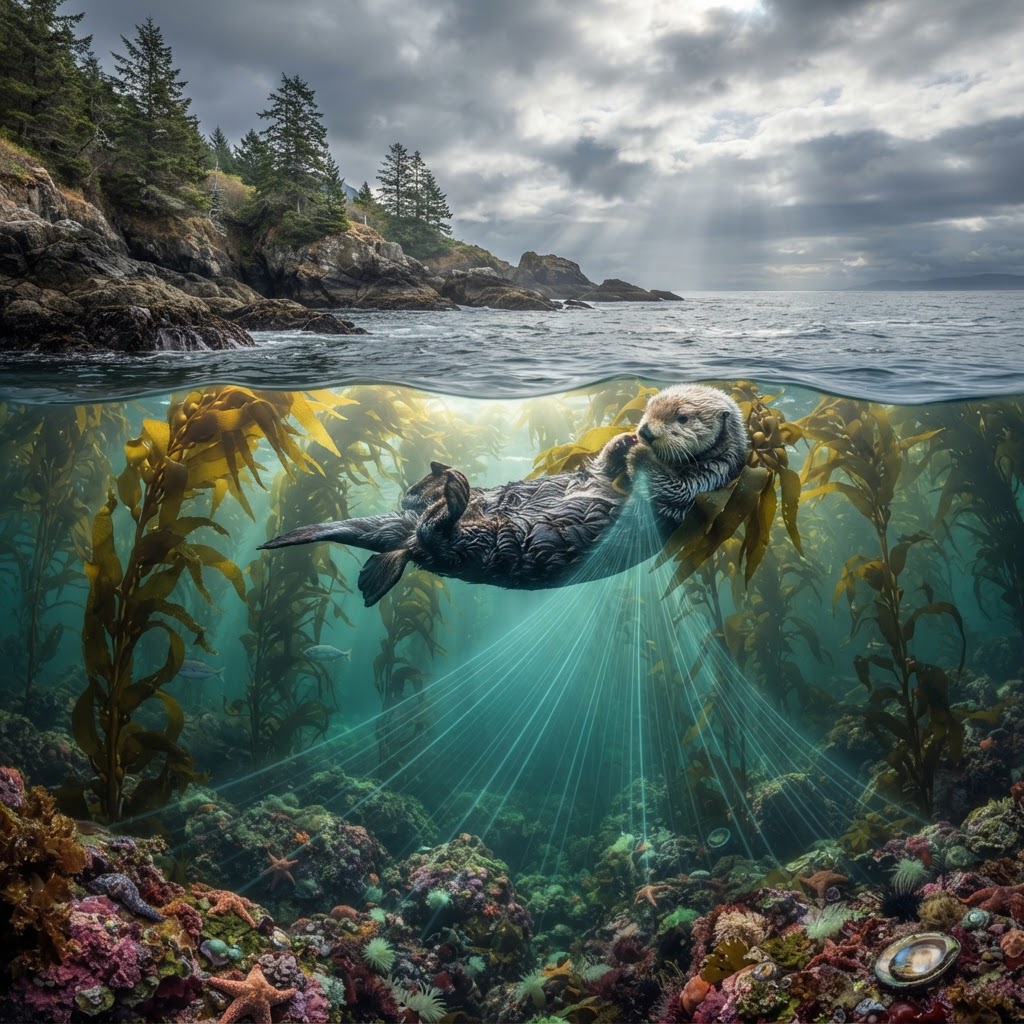
Sea otters are not the largest predators in the North Pacific, but their ecological influence is unusually large. By feeding heavily on sea urchins and other herbivores, they can help determine whether nearshore waters support dense kelp forests or become urchin-dominated “barrens.” That disproportionate effect is why the sea otter is a classic keystone species: an organism whose removal triggers changes far larger than its abundance alone would suggest.
A trophic cascade in plain sight
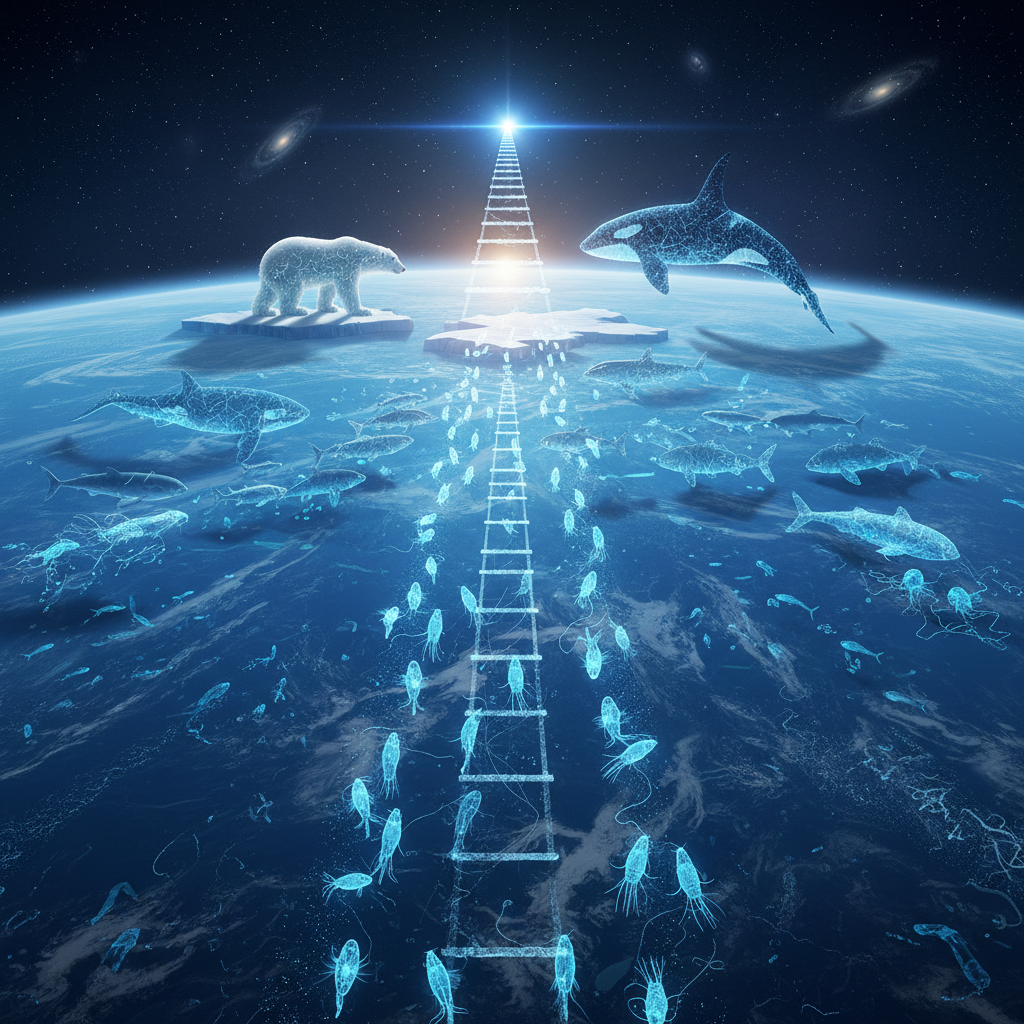
The mechanism is straightforward. Kelp needs light, nutrients and attachment to rocky seafloors. Sea urchins graze on kelp, sometimes stripping reefs faster than the plants can regrow. Where otters are abundant, their predation can reduce urchin numbers or alter urchin behavior, allowing kelp to persist. The result is a trophic cascade—an effect that moves through several levels of the food web, from predator to herbivore to habitat-forming plants.
Kelp forests, in turn, are not merely underwater vegetation. They provide structure for fish and invertebrates, dampen wave energy, cycle carbon and support fisheries and coastal communities. Their disappearance can simplify habitat and reduce the number of ecological niches available to other species.
The evidence is strong—but not universal
Research from Alaska, British Columbia and California has established the basic pattern, while also showing that it is not a single, uniform story. Otters can increase kelp abundance where urchin grazing is a dominant pressure. But disease, marine heatwaves, nutrient supply, storms, pollution and the arrival of other predators can change the outcome.
In parts of the North Pacific, declines in kelp have been linked to interacting disturbances rather than to one missing species. Sea star wasting reduced predation on some urchins, while warming waters and altered predator populations helped intensify grazing. In other locations, abundant otters coexist with persistent urchin barrens because environmental conditions limit kelp recovery or because urchin populations have become unusually resilient.
Conservation is now a food-web problem
That complexity is shaping current conservation debates. Protecting sea otters is not simply a matter of preserving one charismatic mammal. It can also mean protecting the ecological processes that follow from their presence. Yet otter recovery may create trade-offs: otters consume shellfish, including commercially valuable clams, crabs and sea urchins, and their return can produce real economic and cultural conflicts with coastal communities.
The most effective management therefore cannot rely on a single target such as otter numbers or kelp cover. Scientists increasingly combine long-term surveys, movement tracking, experiments and ecosystem models to ask where otters are most likely to restore kelp, where other interventions are needed, and how conservation costs and benefits are distributed.
One predator, many futures
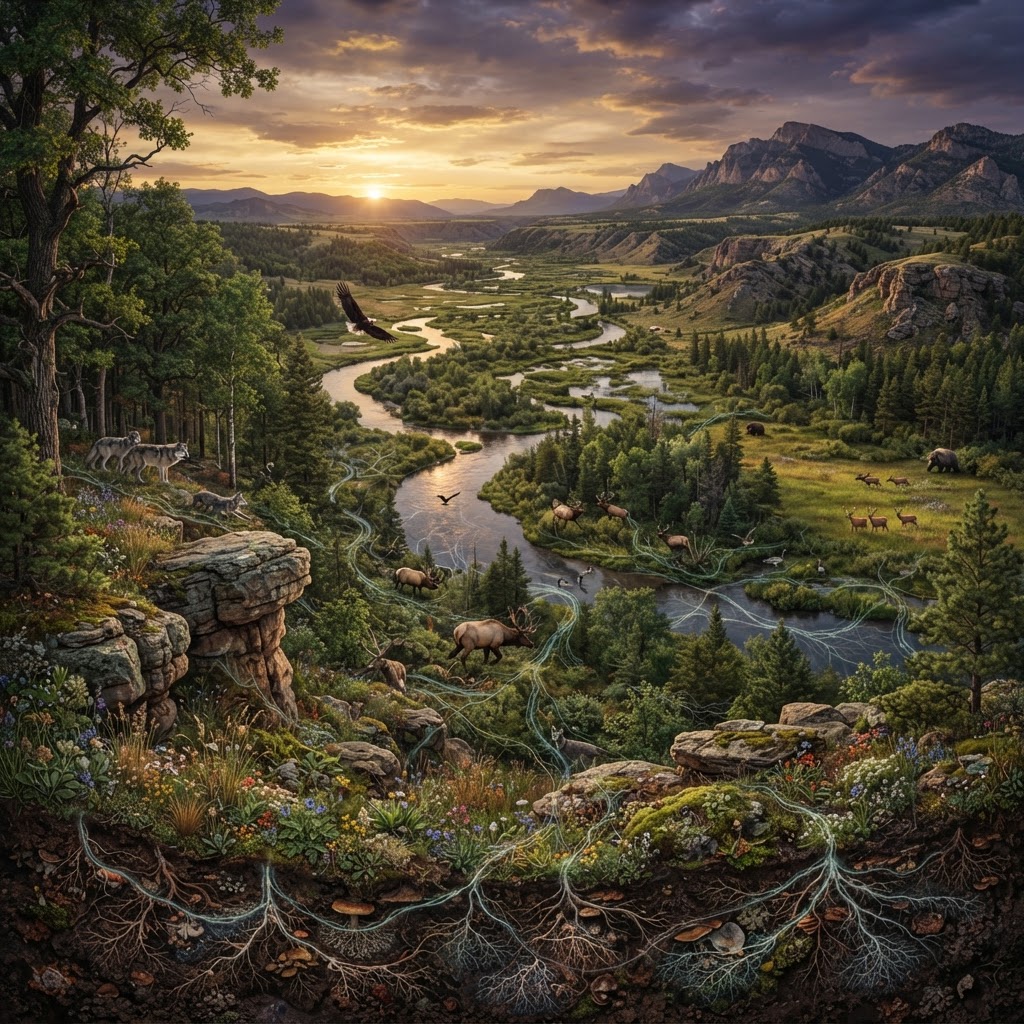
The sea otter’s lesson is not that one animal controls nature. It is that ecosystems are organized by relationships, and some relationships carry extraordinary leverage. A predator can function as habitat infrastructure without building anything itself. As coastal waters warm and kelp forests face mounting pressure, understanding that leverage may determine whether restoration produces a durable forest—or simply treats one visible symptom of a much larger food-web change.