What’s new
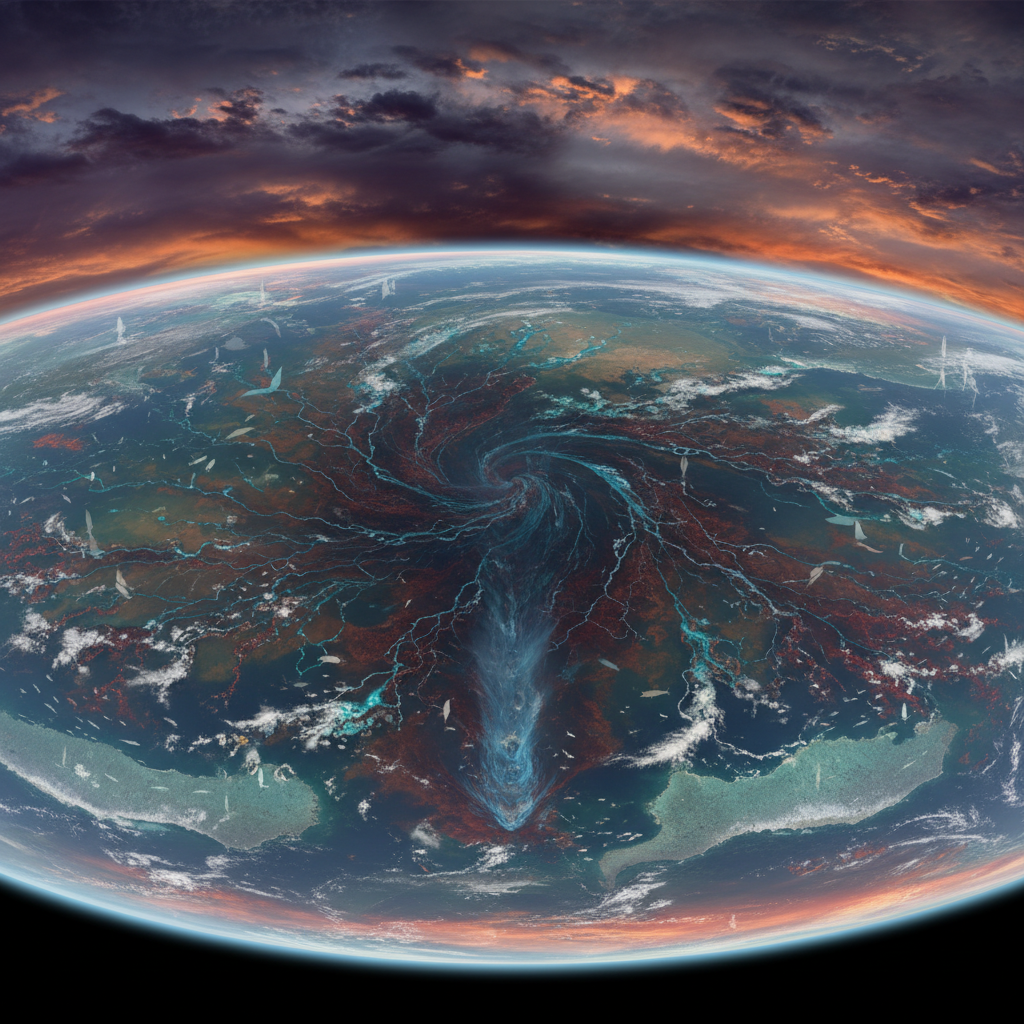
Multiple recent syntheses and model analyses are converging on a stark conclusion: ocean deoxygenation is not just a slow, steady consequence of warming — it hosts a set of interacting feedbacks that can accelerate oxygen loss and drive regional ecosystems rapidly toward collapse thresholds. The processes are already visible in expanding oxygen minimum zones (OMZs), intensifying coastal hypoxia, and changing biogeochemical balances that feed back to climate and productivity.
How the feedbacks work
Two physical drivers start the chain: warming reduces oxygen solubility in seawater and strengthens surface stratification, which inhibits the mixing and ventilation that replenish deep water oxygen. But biological and chemical processes then compound the initial loss:
- Productivity–oxygen feedback: Nutrient shifts and warming‑enhanced stratification can concentrate productivity in surface layers or trigger blooms of low‑oxygen‑tolerant microbes. When that organic matter sinks and decomposes, bacterial respiration consumes oxygen in subsurface waters, deepening hypoxia.
- Nutrient cycling and denitrification: Low oxygen favors denitrification and anammox in OMZs, removing fixed nitrogen and altering primary productivity patterns. That can shift food webs toward smaller, less oxygen‑efficient organisms, sustaining different biogeochemical regimes.
- Greenhouse‑gas feedbacks: Evolving low‑oxygen conditions can increase emissions of nitrous oxide (N2O), a potent greenhouse gas produced under suboxic conditions, and methane from coastal sediments — feeding back to atmospheric warming and further deoxygenation.
- Benthic collapse and habitat loss: Shoaling OMZs can convert continental shelf habitats into chronically hypoxic zones. The resulting loss of benthic communities reduces bioturbation and nutrient recycling, further weakening system resilience.
Where thresholds are most imminent
Thresholds are regionally specific but share common signatures: rapid shoaling of OMZs onto productive shelves, persistent seasonal bottom‑water hypoxia that no longer recovers within years, and cascading loss of key functional groups such as benthic invertebrates or mid‑water fishes. Fisheries collapses tied to sudden oxygen declines have been documented regionally; models show that in some systems these transitions are nonlinear, with moderate continued forcing producing large ecosystem reorganization.
Why uncertainty matters — and what we can do
Key uncertainties remain about timing and global extent. Earth system models capture broad oxygen trends but differ in the strength of biological feedbacks and in regional ventilation responses. That ambiguity, however, does not mean inaction: expanding oxygen monitoring, improving biogeochemical modules in models, and reducing warming and nutrient inputs are practical measures to lower the probability of crossing thresholds.
Takeaway
Deoxygenation is both a symptom and a driver of ocean change: physical warming initiates oxygen loss, but biological and chemical feedbacks can make oxygen decline self‑reinforcing, pushing ecosystems toward abrupt, hard‑to‑reverse states. The window to slow and possibly avoid many of those thresholds is narrow; it requires coordinated mitigation of greenhouse gases, coastal eutrophication, and investments in sustained ocean observation.