A Cycle of Surprises
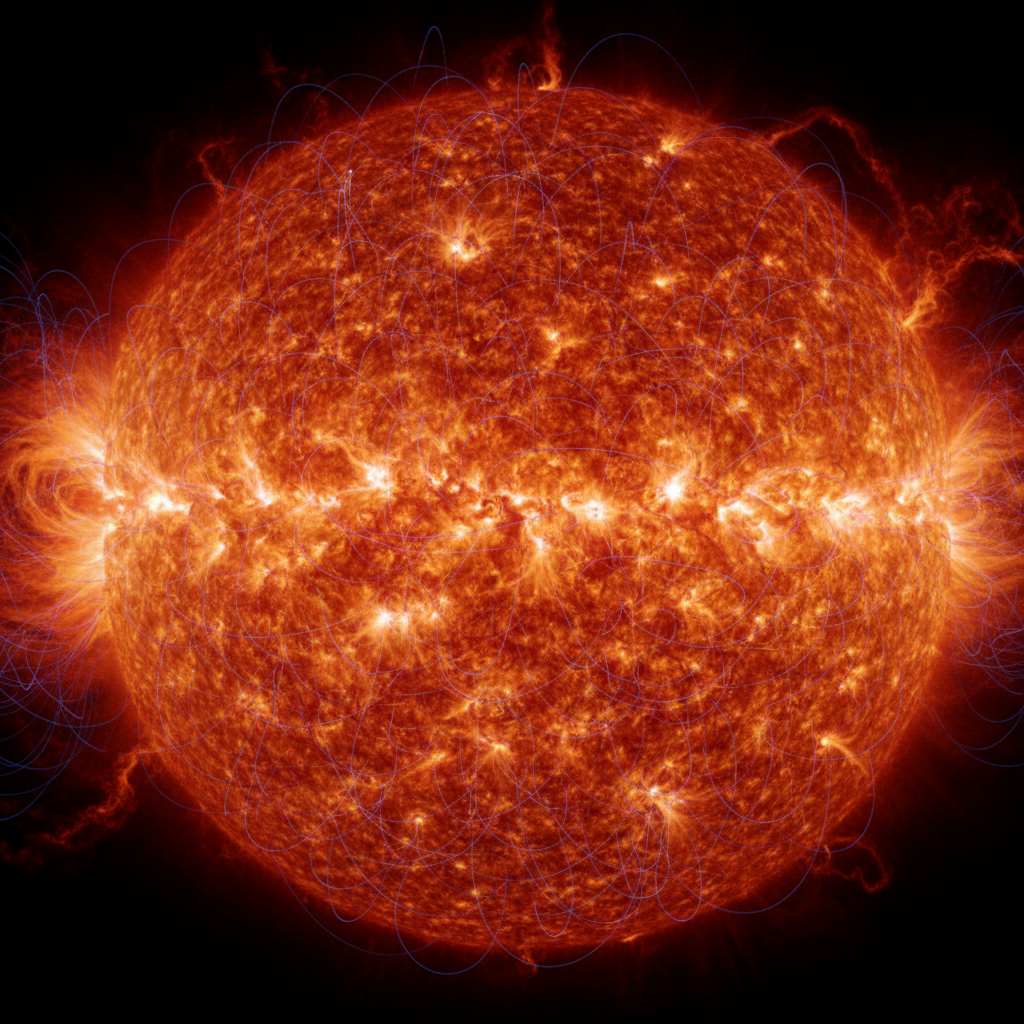
For years, the scientific consensus regarding Solar Cycle 25 was one of cautious expectation. Early models from the NOAA/NASA/ISES panel suggested a relatively modest peak. However, the Sun had other plans. By late 2024, it became clear that our star was not merely meeting expectations—it was shattering them. With the solar maximum officially confirmed for October 2024, we are witnessing a period of intense magnetic volatility that has redefined our understanding of solar behavior.
The X-Class Barrage
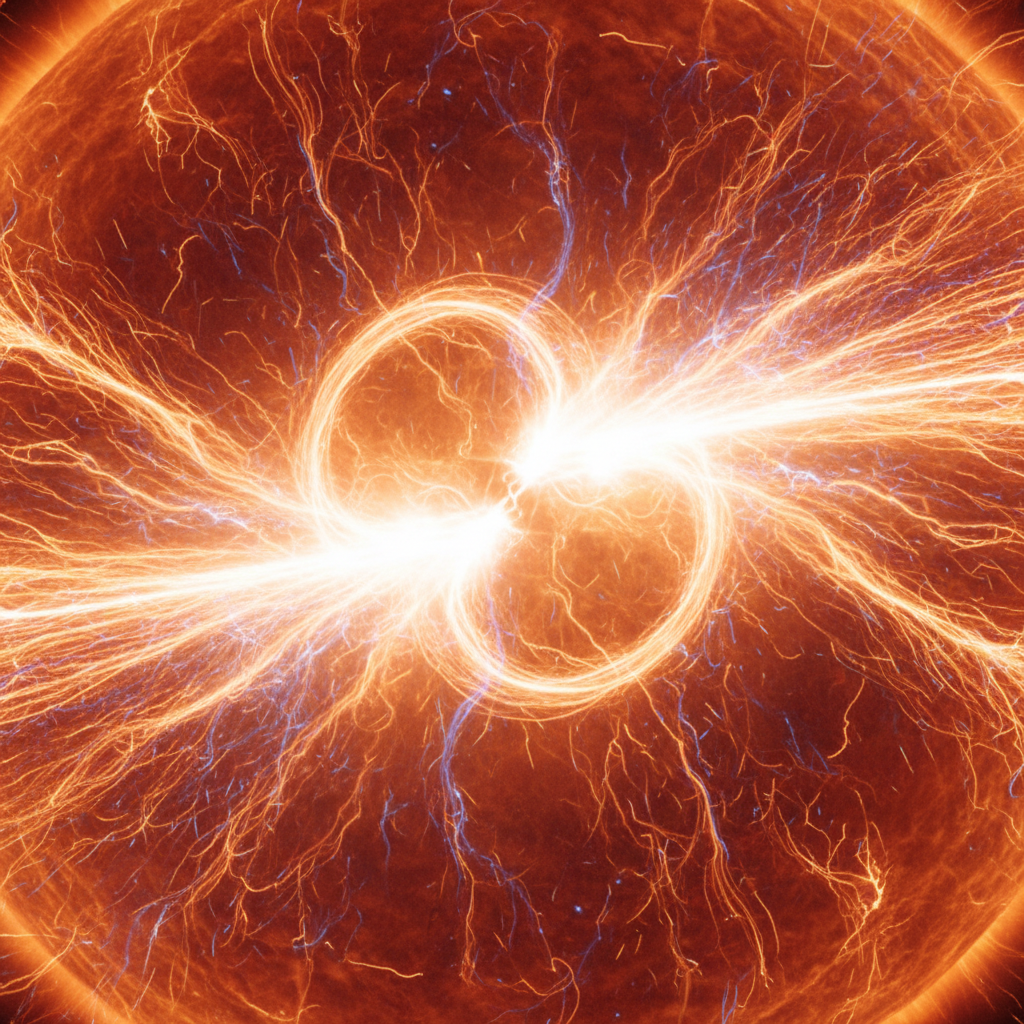
The hallmark of this cycle has been the sheer frequency of X-class flares—the most powerful category of solar eruptions. In 2024 alone, the Sun launched over 50 such events, a staggering figure that underscores the heightened state of the solar atmosphere. Among these, the X9.0 flare observed in October 2024 stands as the most potent eruption of the current cycle, marking the strongest solar activity seen in seven years.
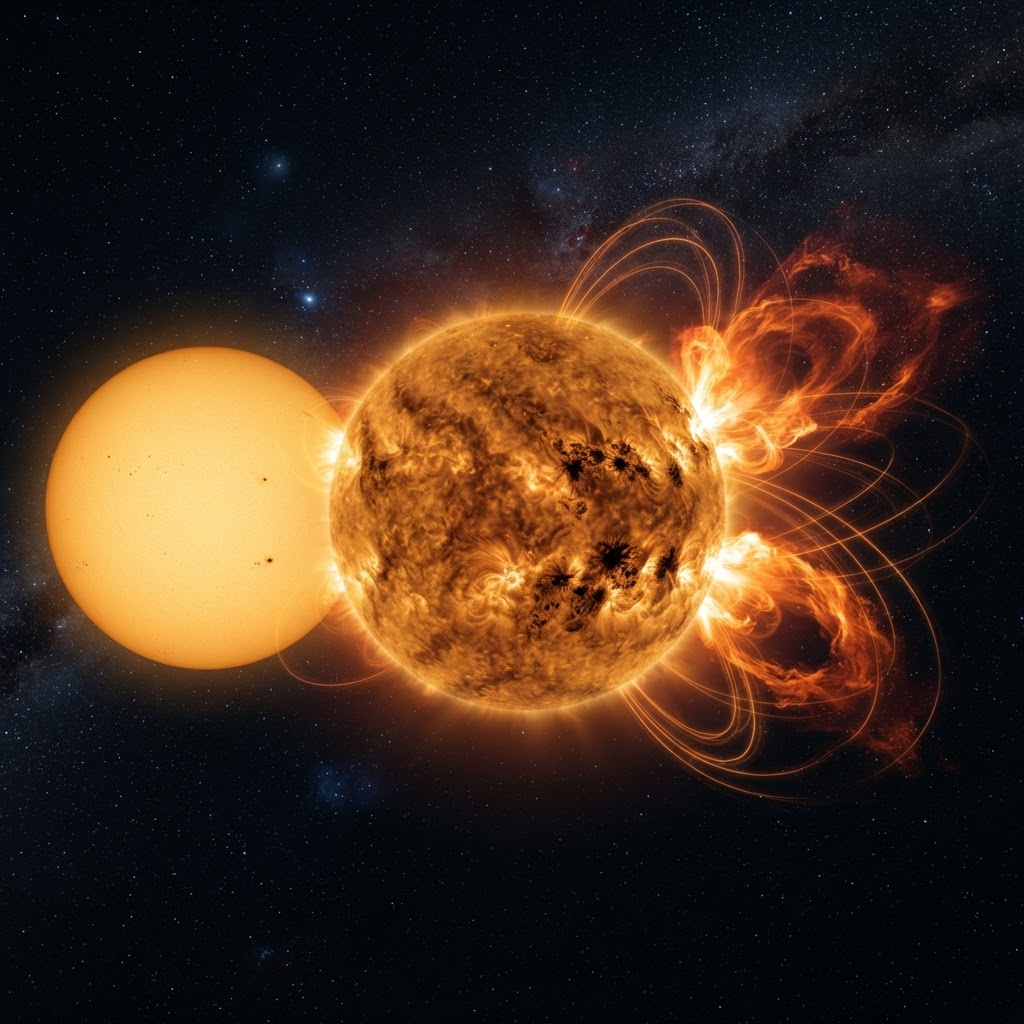
These events are not isolated incidents but are often the product of massive, complex active regions. For instance, sunspot region AR 13664, which triggered a major geomagnetic storm in May 2024, demonstrated unprecedented longevity and productivity, unleashing nearly 1,000 flares during its three-month transit. This level of sustained activity provides a rare, high-resolution look at the mechanics of solar magnetic reconnection.
Why the Models Missed the Mark
The discrepancy between early predictions and current reality highlights the inherent difficulty in forecasting solar cycles. While the 2019 baseline prediction accounted for some uncertainty, the actual amplitude of the cycle has been significantly higher. Scientists now recognize that the solar maximum is not only arriving earlier than anticipated but is also exhibiting a more prolonged and intense phase of activity. This shift suggests that our current models of the solar dynamo—the process by which the Sun generates its magnetic field—require further refinement to account for the rapid emergence of complex, flare-productive sunspot groups.
Implications for Earth
The consequences of this surge are tangible. Frequent X-class flares, such as the X1.1 event recorded in June 2026, continue to trigger radio blackouts and impact high-frequency communications. As we navigate the remainder of this cycle, the ability to predict these eruptions with precision is no longer just a matter of academic interest; it is a critical component of protecting our increasingly vulnerable technological infrastructure, from satellite constellations to power grids.