From simple wires to dynamic circuits
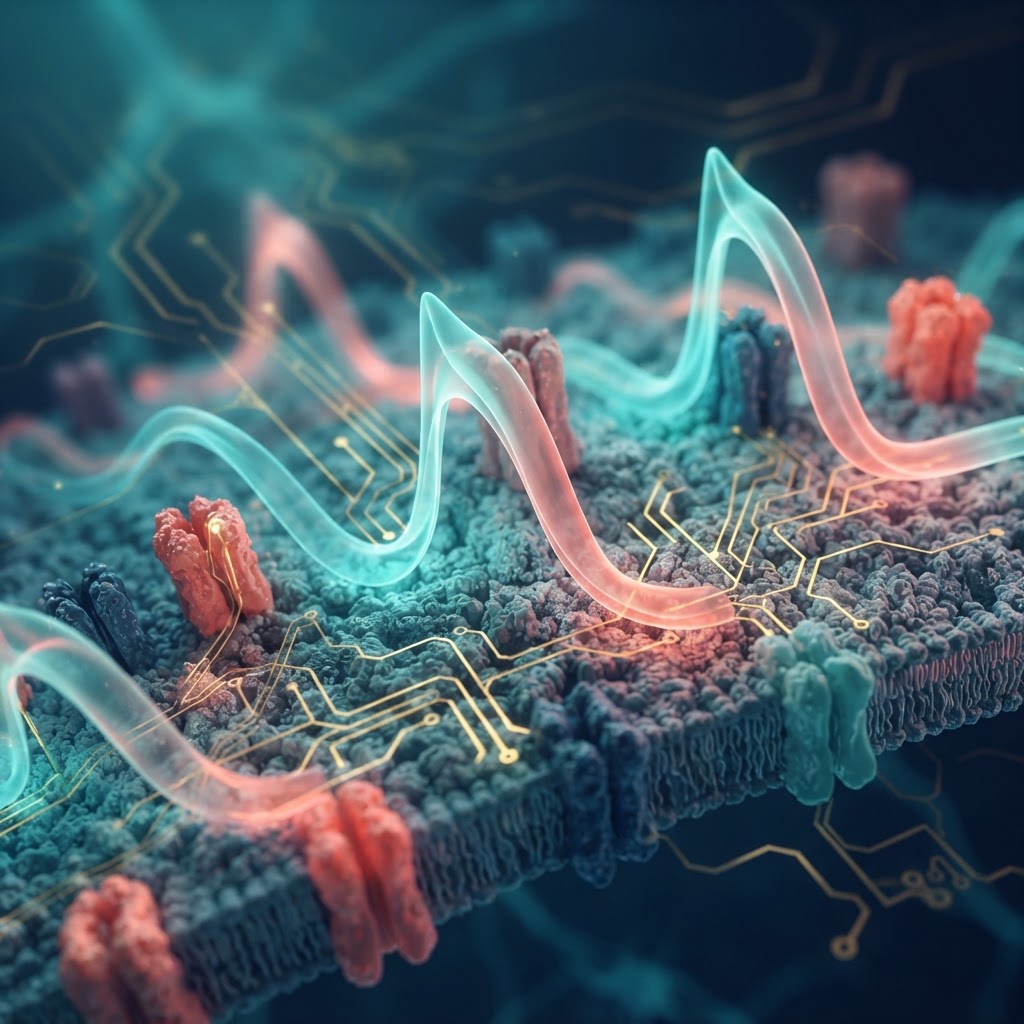
For decades the electrical synapse — a junction formed by gap junction channels — was caricatured as a passive, binary shunt: a tiny pore that merely equalized voltage between two cells. Recent work has rewritten that story. New recordings, molecular tools and computational models show gap junctions form configurable networks that do more than synchronize spikes; they coordinate subthreshold activity, filter frequencies, and can be gated, rectified and modulated on behaviorally relevant timescales.
What current evidence shows
Two operational modes. Electrical coupling supports rapid spike synchrony in circuits such as the retina and inferior olive, while simultaneously carrying slower, subthreshold currents that set neuronal excitability across a network. These two modes give electrical synapses a dual role: timing precision at millisecond scales and coherent state-setting over tens to hundreds of milliseconds.
Plastic and state-dependent. Far from fixed, coupling strength changes. Protein phosphorylation, neuromodulators (for example dopamine and serotonin), and changes in intracellular pH and calcium alter gap-junction conductance. Optogenetic and pharmacological manipulations now demonstrate plastic shifts in coupling during learning, sleep-state transitions and neuromodulatory episodes, indicating that electrical synapses participate in circuit reconfiguration.
Structural and biophysical diversity. Gap junctions are formed from connexin (in vertebrates) or innexin/pannexin families; different subunits produce heteromeric or heterotypic channels with distinctive rectification and filtering properties. That diversity enables directionality and frequency-dependent transmission within electrical networks, resembling synaptic specialization more commonly ascribed to chemical synapses.
Why this matters now
Understanding gap-junction networks reframes several active debates in systems neuroscience:
- Rhythm generation: Electrical networks are central to generating and stabilizing oscillations from thalamic spindles to hippocampal ripples.
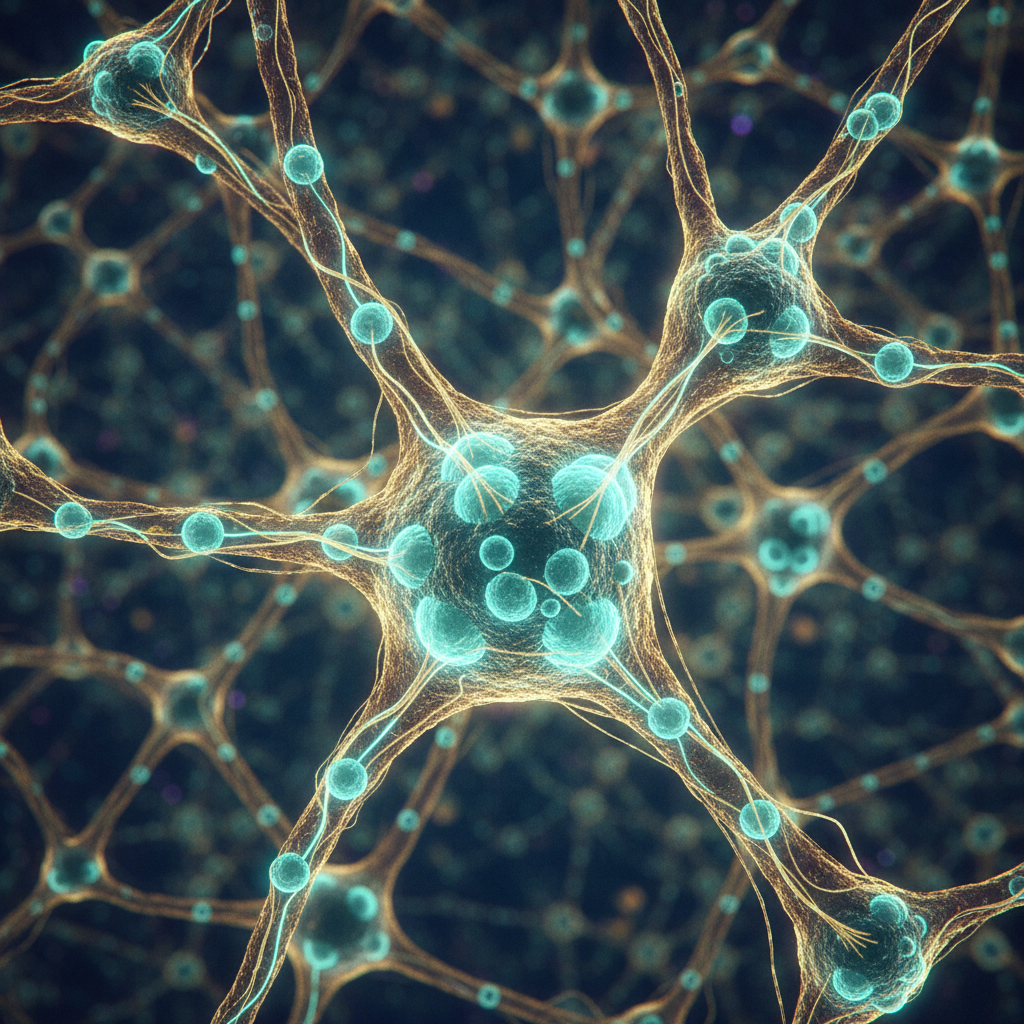
- Computation: By sharing subthreshold signals, coupled neurons can compute cooperatively — integrating inputs across a distributed syncytium rather than acting as isolated units.
- Pathophysiology: Aberrant coupling may amplify hypersynchrony in epilepsy or alter developmental patterning when connexin expression goes awry.
Tools unlocking dynamics
Progress rests on technical advances. High-speed paired recordings and voltage imaging capture submillisecond coordination; super-resolution EM and cryo-tomography reveal gap-junction architecture; genetic knock-ins and cell-type-specific connexin manipulation permit causal tests in intact circuits. Computational frameworks that treat gap junctions as tunable network links help translate biophysics into system-level predictions.
Outstanding questions
Key gaps remain. How do electrical and chemical synapses co-operate during complex behaviors? What sets the spatial scale of electrically coupled assemblies, and how plastic are those boundaries? Crucially, can targeted modulation of gap-junction networks be therapeutic without disrupting their broad homeostatic roles?
Bottom line: Electrical synapses are not mere conductive shortcuts. They are dynamic, information-bearing links that enable coherent signaling across neuronal and glial assemblies — a substrate for fast coordination and flexible computation that is only now coming into clear focus.