From voltmeter anecdotes to molecular bioelectricity
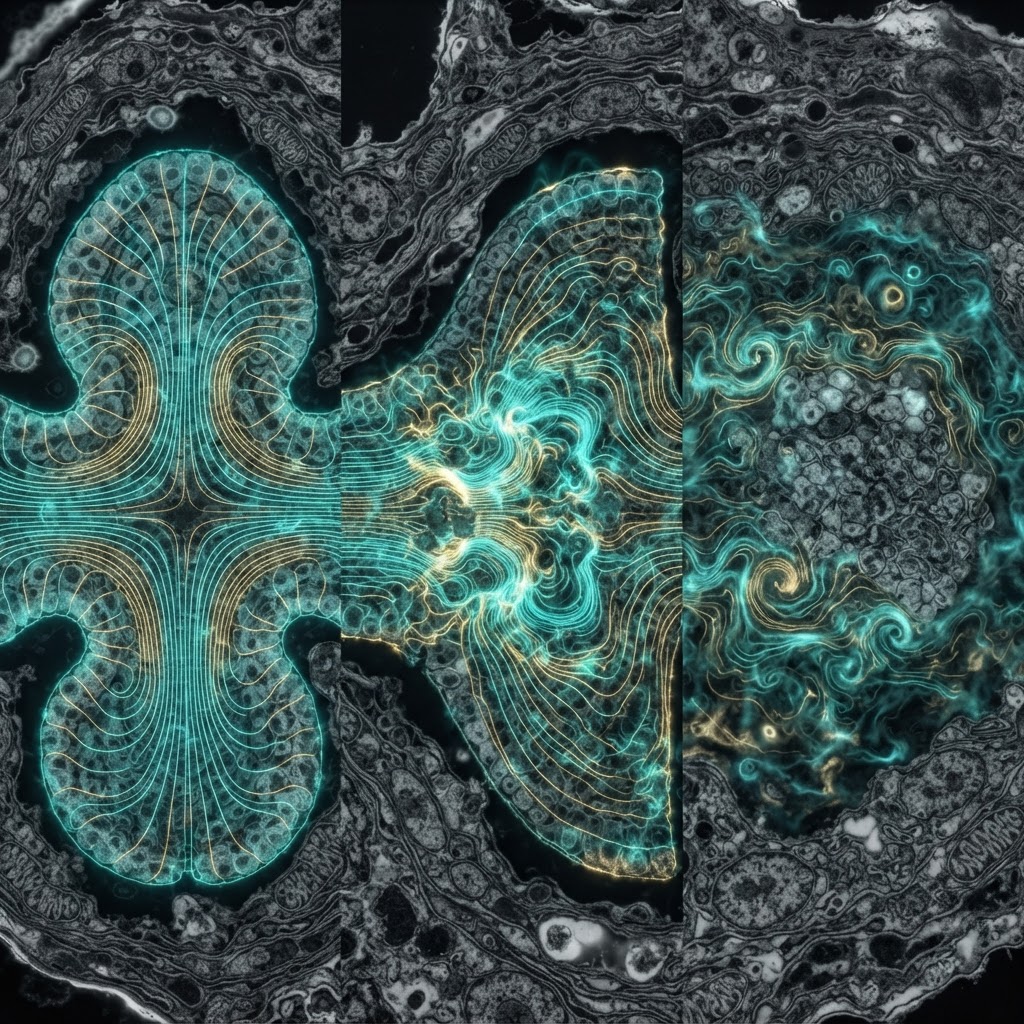
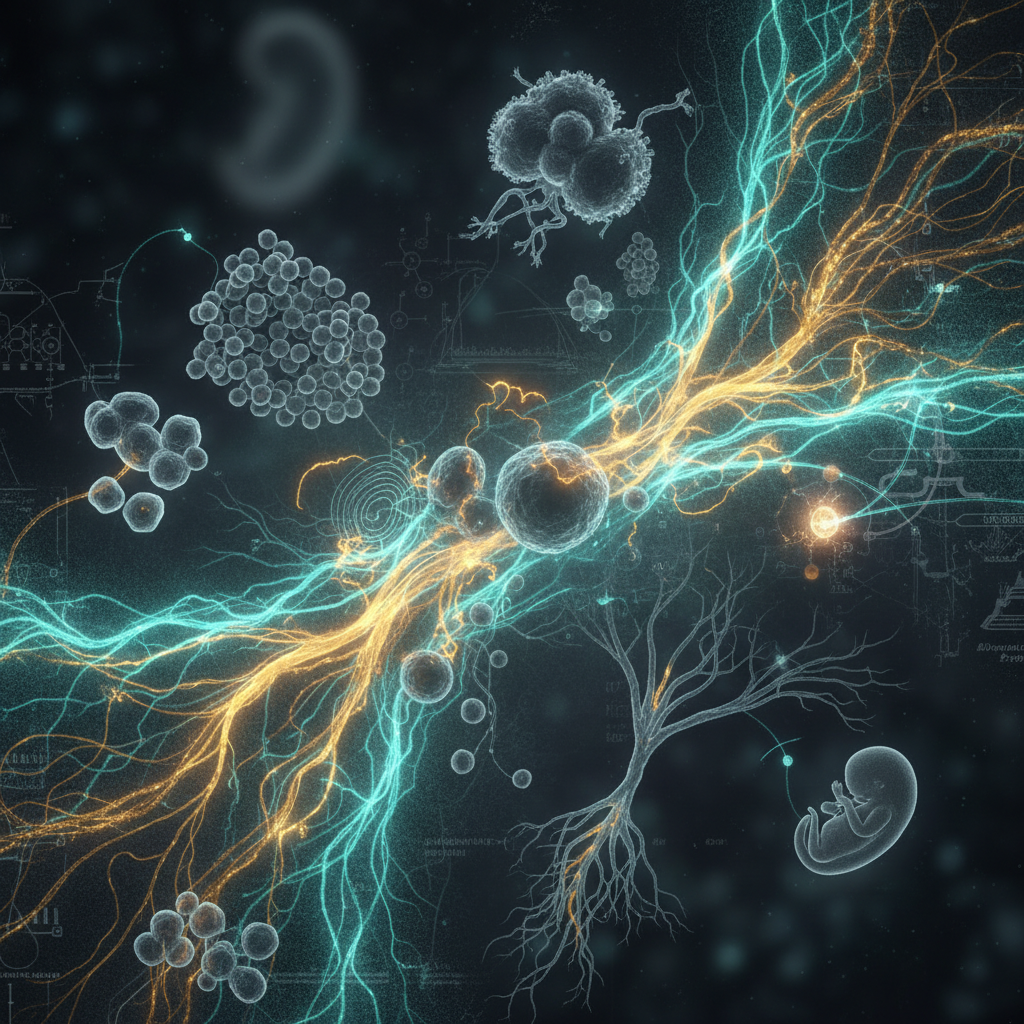
In the 1930s and 1940s Yale anatomist Harold Saxton Burr published a provocative body of work proposing that organisms are pervaded by measurable electric fields — which he called "L-fields" or life-fields — that track development, growth and disease. Burr used sensitive DC voltmeters and placed electrodes in or on plants, embryos and animals to record slow, persistent differences in potential. He reported correlations between L-field changes and embryonic patterning, and even claimed that shifting field patterns presaged tumor formation. His language sometimes drifted toward the metaphysical, and his instrumentation and interpretive frameworks invited skepticism from contemporaries.
Why Burr faded — and why his questions have come back
Burr's work ran into three practical problems: limited measurement technology that made artefacts a real risk; weak mechanistic links between his field readouts and established molecular biology; and some speculative extrapolations that outpaced evidence. For decades the life-fields lived mostly in the margins of biology. But in the past 15 years a methodological renaissance has recast the problem. High-resolution electrophysiology, voltage-sensitive dyes and genetically encoded voltage indicators (GEVIs), optogenetic actuators, and precise ion-channel tools now let labs map and manipulate transmembrane voltage at cellular and tissue scales. These techniques have exposed bioelectric phenomena that Burr glimpsed, albeit at much greater specificity.
What modern science confirms
Contemporary experiments show that patterns of resting membrane potential and ion flux across groups of cells can act as instructive signals. Manipulating membrane potential can change cell proliferation, migration and gene expression programs. In model systems such as amphibian embryos and planarian flatworms, deliberate alteration of bioelectric states can redirect growth and regeneration programs — for instance changing the size and position of a regenerating limb or inducing ectopic eye development. Those findings vindicate Burr's core intuition: electrical states are not epiphenomena but can be causal agents in pattern formation.
What remains different from Burr's claims
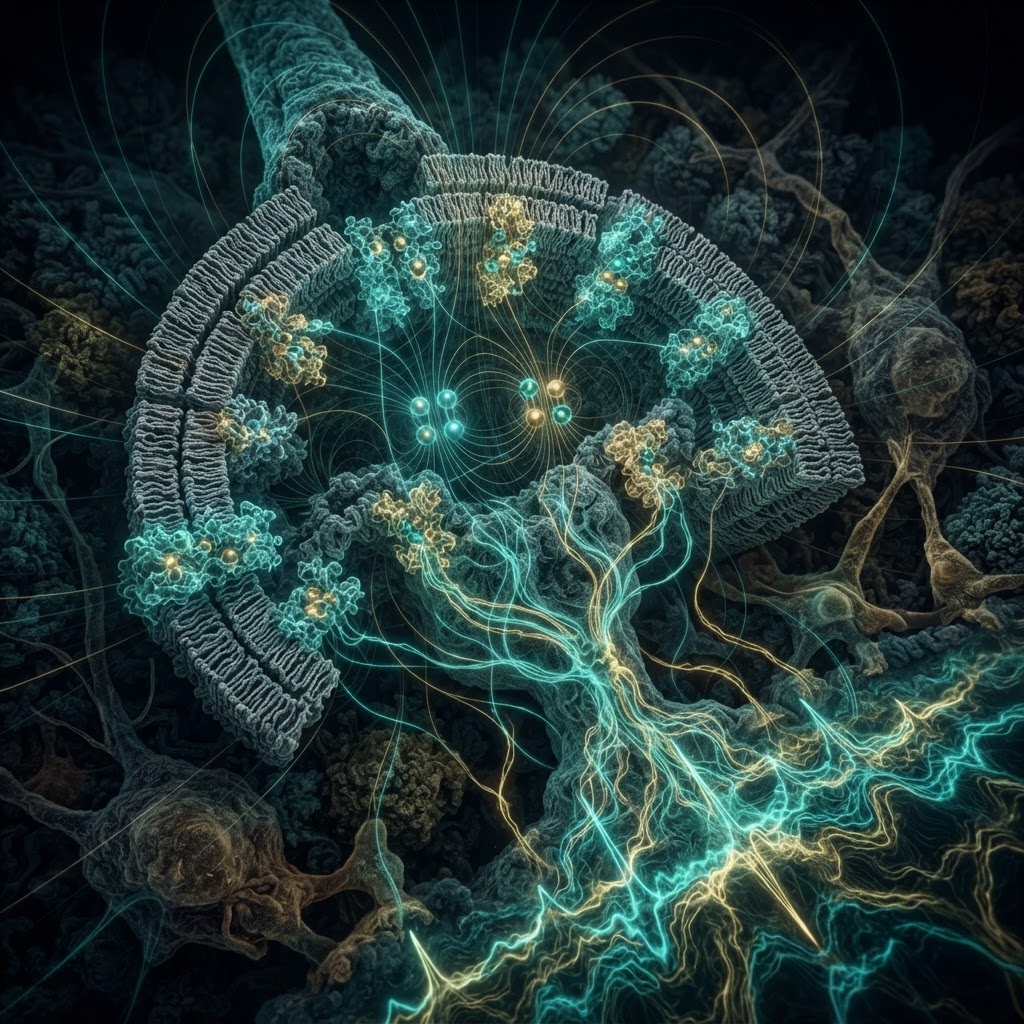
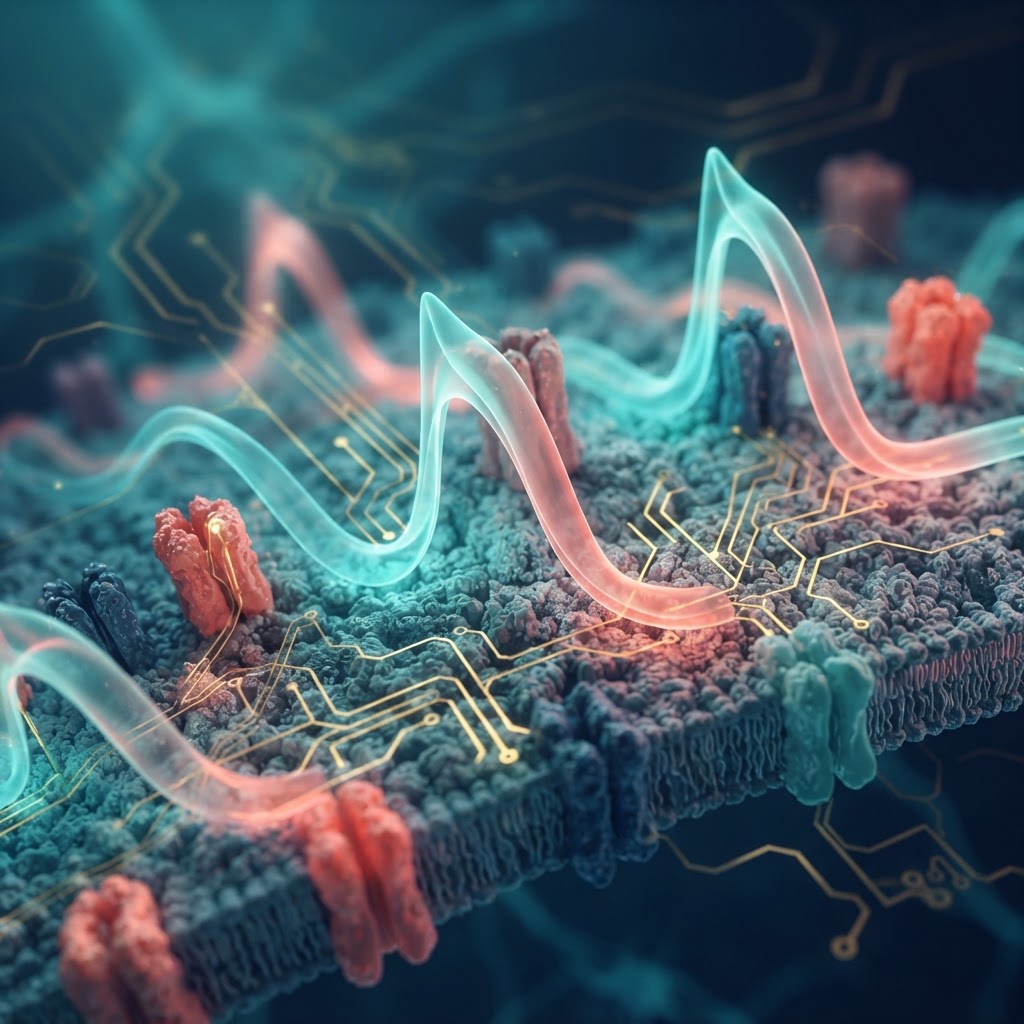
Three important distinctions matter. First, modern work shows that bioelectric signals operate through well-defined mediators — ion channels, gap junctions, and downstream second-messenger cascades (not via some mysterious all-pervading field). Second, the effects are context dependent: identical voltage perturbations can produce different outcomes in different tissues or developmental stages. Third, many of Burr's wider prognostic claims — especially about reliably predicting cancer years in advance via gross field measures — lack robust modern replication and remain unsupported.
Why this is current and consequential
Bioelectricity is now a live area of translational research. Researchers envision using voltage-pattern manipulation for regenerative medicine, bioelectronic prosthetics and cancer biology. The field is also an arena for rigorous debate about measurement, interpretation and reproducibility: distinguishing legitimate system-level bioelectric control from artefact-prone readings requires careful experimental design and cross-validation with molecular readouts.
Bottom line
- Harold Saxton Burr was ahead of his time in asking whether persistent electrical patterns organize life.
- Modern technology has recovered and reframed his core insight: bioelectric states are real, manipulable, and biologically consequential — but the underlying mechanisms are molecular and cellular, not mystical.
- The key open challenge is to decode the language of bioelectric patterns so they can be predictably and safely deployed in medicine.