Why energy, not chemistry, is the bottleneck
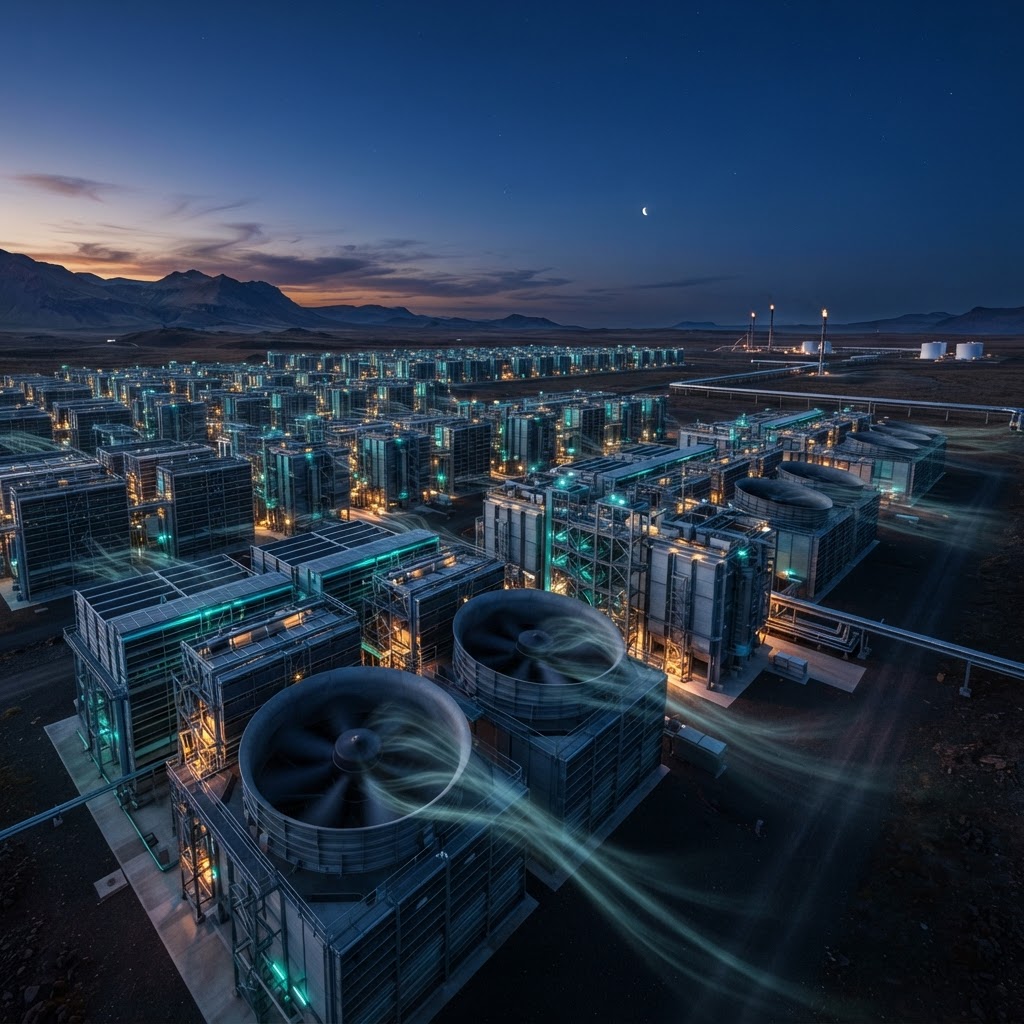
Direct air capture (DAC) of CO2 has moved from lab curiosity to commercial pilots and political pledges. The technology demonstrably removes CO2 from ambient air, but the thermodynamic and engineering realities mean the primary constraint is energy: how much heat and electricity are required to capture, concentrate and permanently store each tonne of CO2?
Range of real-world energy intensities
Published and industrial estimates cluster in broad bands rather than single numbers because approaches differ. Two broad families dominate: liquid-solvent processes (often requiring high-temperature heat) and solid-sorbent systems (requiring lower‑temperature heat but often more electrical work for fans and vacuum pumps).
- Typical reported ranges: electricity on the order of ~0.5–2 MWh per tonne CO2; heat in the range ~2–8 GJ per tonne (≈0.6–2.2 MWh thermal) depending on regeneration method and capture chemistry.
- Net primary energy therefore often converts to ~1–5 MWh per tonne CO2 when electricity and heat are expressed on a common basis; both smaller commercial plants and some academic process designs report extremes outside that span.
- Best current commercial numbers (company disclosures and recent life‑cycle analyses) put some solid‑sorbent facilities near the low end of those ranges, but only when low‑carbon heat or waste‑heat sources are available and plant energy optimization is mature.
Scaling math — the stark arithmetic
Scale this to climate targets and the numbers become concrete. A frequently discussed goal is removing 5–10 billion tonnes (Gt) CO2 per year by mid‑century in addition to emissions cuts. Using round numbers:
- If DAC averaged 1 MWh per tonne, removing 10 Gt/yr would demand ~10,000 TWh/yr — roughly 40% of today’s global electricity generation (~26,000 TWh/yr).
- If the median intensity were 2–3 MWh/t, the same removal would consume 80–120% of today’s generation — a physically possible but politically and economically fraught proposition.
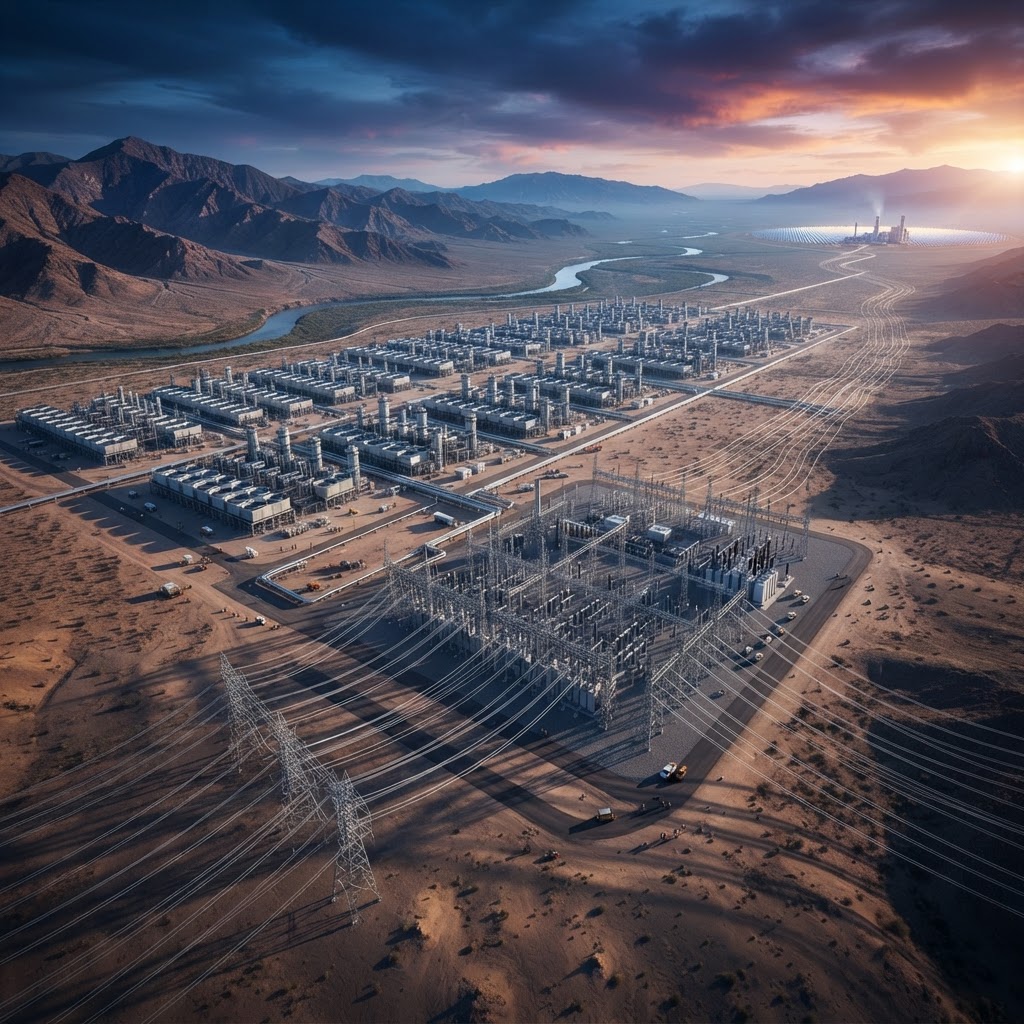
These back‑of‑envelope totals tell a blunt story: large‑scale DAC is not a marginal energy add‑on. It will either require massive additional low‑carbon power, widespread use of low‑grade heat sources (geothermal, concentrated solar, industrial waste heat), or tradeoffs where some fossil‑derived energy is burned but the CO2 is still sequestered (which raises lifecycle emissions and undermines climate goals).
Practical limits and policy levers
Beyond energy, scaling DAC raises material, land and logistical constraints: plant mass and modular fabrication, sorbent or solvent supply, siting near storage reservoirs, and water and land footprints that vary by design. Competition for low‑carbon electricity with electrification of transport, industry and buildings creates a policy tension: should society prioritize decarbonizing demand or build carbon removal at scale?
Three pragmatic responses are clear: prioritize DAC designs that minimize electricity intensity; pair plants with abundant low‑carbon heat; and treat DAC as complementary to — not a substitute for — rapid emissions cuts.
What remains unresolved
Key unknowns are how fast energy and materials costs will fall with deployment, the achievable lower bound of energy intensity after learning and engineering improvements, and the governance choices that will allocate scarce low‑carbon energy between mitigation and removal.
DAC is viable in principle and necessary in scenarios that limit warming, but the energy bill is the metric that will determine whether it grows into a niche technology or an essential global service.
Companion Coverage — Two Sides of the Carbon Coin
This piece is the natural counterpart to our deep dive, The Wisconsin Forest That Breathed Different Air for 11 Years. Read together, they bracket the single question underneath every climate projection: how much carbon will the world pull out of the sky, and at what cost?
Direct air capture measures the cost of the sink we would have to build — capped by energy. Aspen-FACE measures the cost of the sink nature already runs — capped by the ozone we emit alongside the CO₂. The two bottlenecks are different, but the lesson is the same: there is no free carbon sink. The forest's service is conditional on clean air; the machine's service is conditional on clean power.