Electrified memories
Neural circuits have long monopolized the language of memory. Over the last decade, however, experimental work has accelerated a different view: living systems that lack brains — from single cells and slime molds to tissues and whole organisms — can store, modify and retrieve information using bioelectric signals. These are not metaphorical memories; they are persistent changes in membrane potential, ion conductance and intercellular connectivity that alter behavior and anatomy.
What the evidence shows
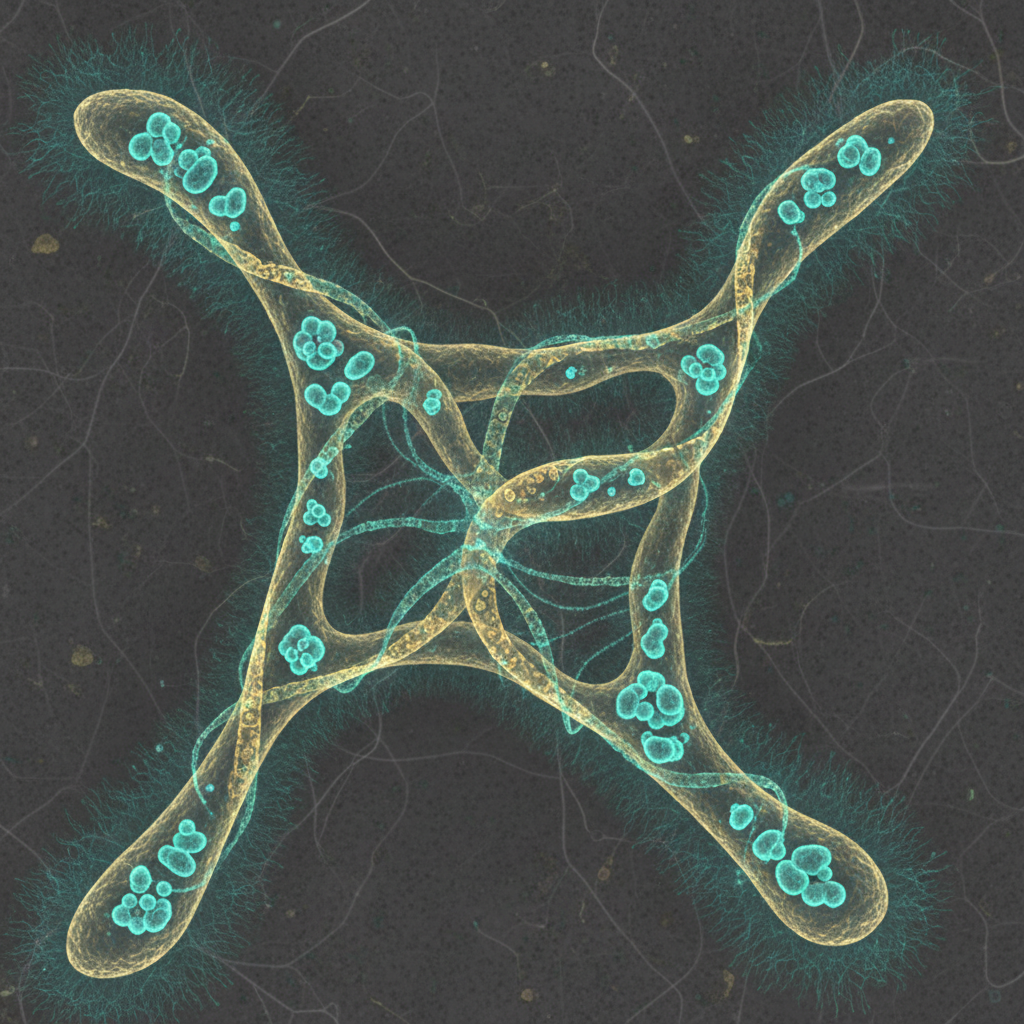
Slime molds and unicells. Physarum polycephalum famously solves mazes and optimizes nutrient networks. Beyond navigation, experiments demonstrate habituation — reduced response to repeated harmless stimuli — and a capacity to recall prior conditions after hours or days. The leading idea is that ionic flows and the organism’s distributed tube network create stable electrical and structural states that encode past experience.
Plants and long‑distance signaling. Plants generate action potentials and calcium waves. Work on Mimosa pudica and other species shows stimulus-specific attenuation (a form of learning), while longer‑lived electrical states correlate with primed responses to stress. These signals can travel rapidly across tissues and trigger transcriptional programs, linking short electrical events to durable physiological memory.
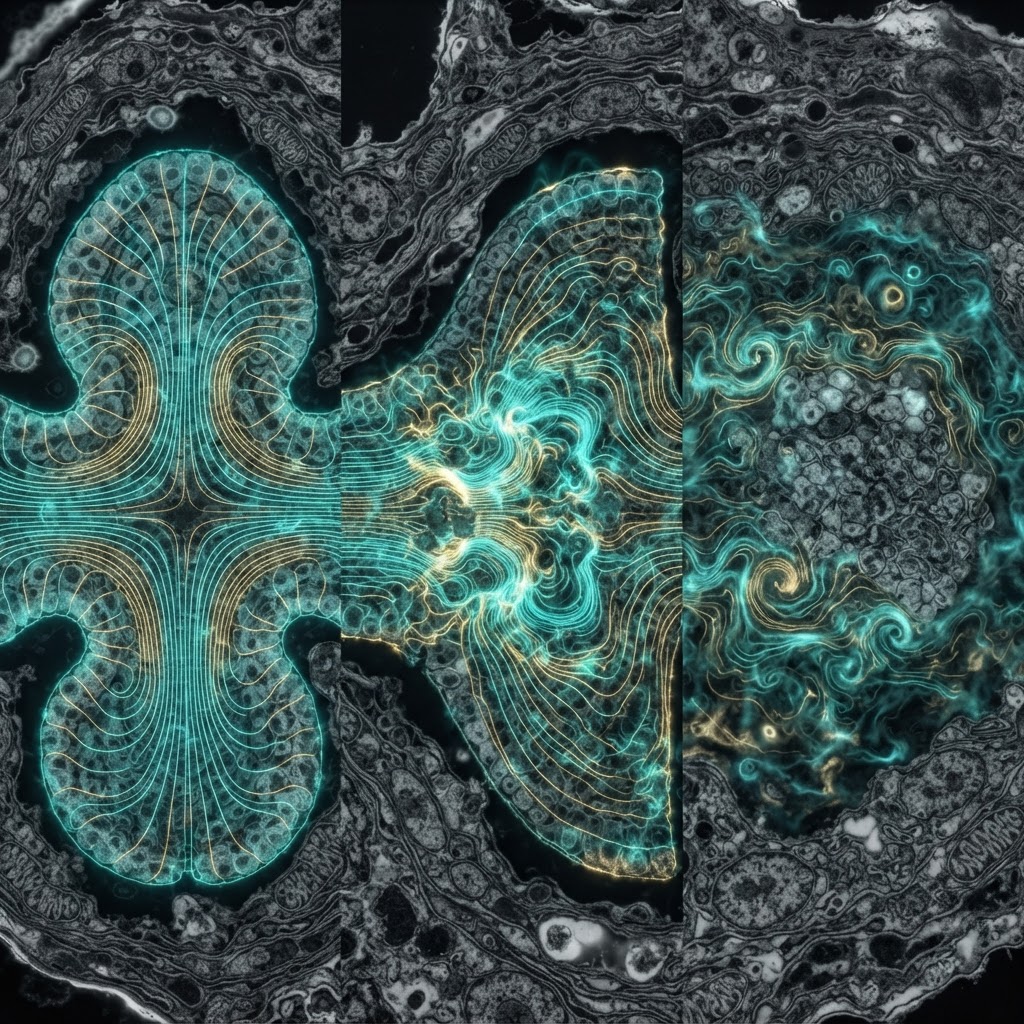
Tissues and pattern memory. Developmental biophysicists have shown that gradients of resting membrane potential across cell groups carry instructive information, guiding cell proliferation, differentiation and positional identity. Remarkably, by manipulating ion channels or gap junction coupling, researchers can induce dramatic, heritable changes in anatomy — for example, altering head–tail polarity in regenerating planaria or producing extra eyes in Xenopus tadpoles — implying that bioelectric states can act as a stored “target morphology.”
How might bioelectric memory work?
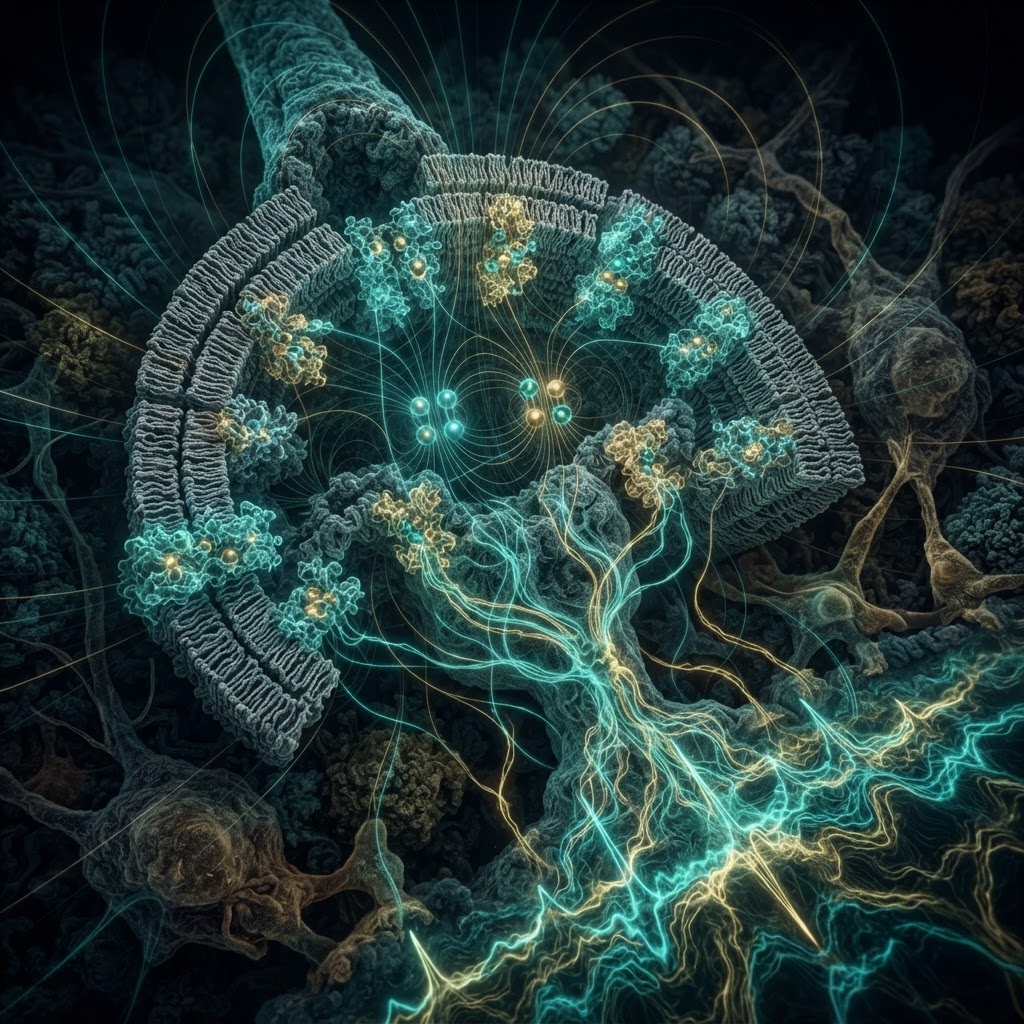
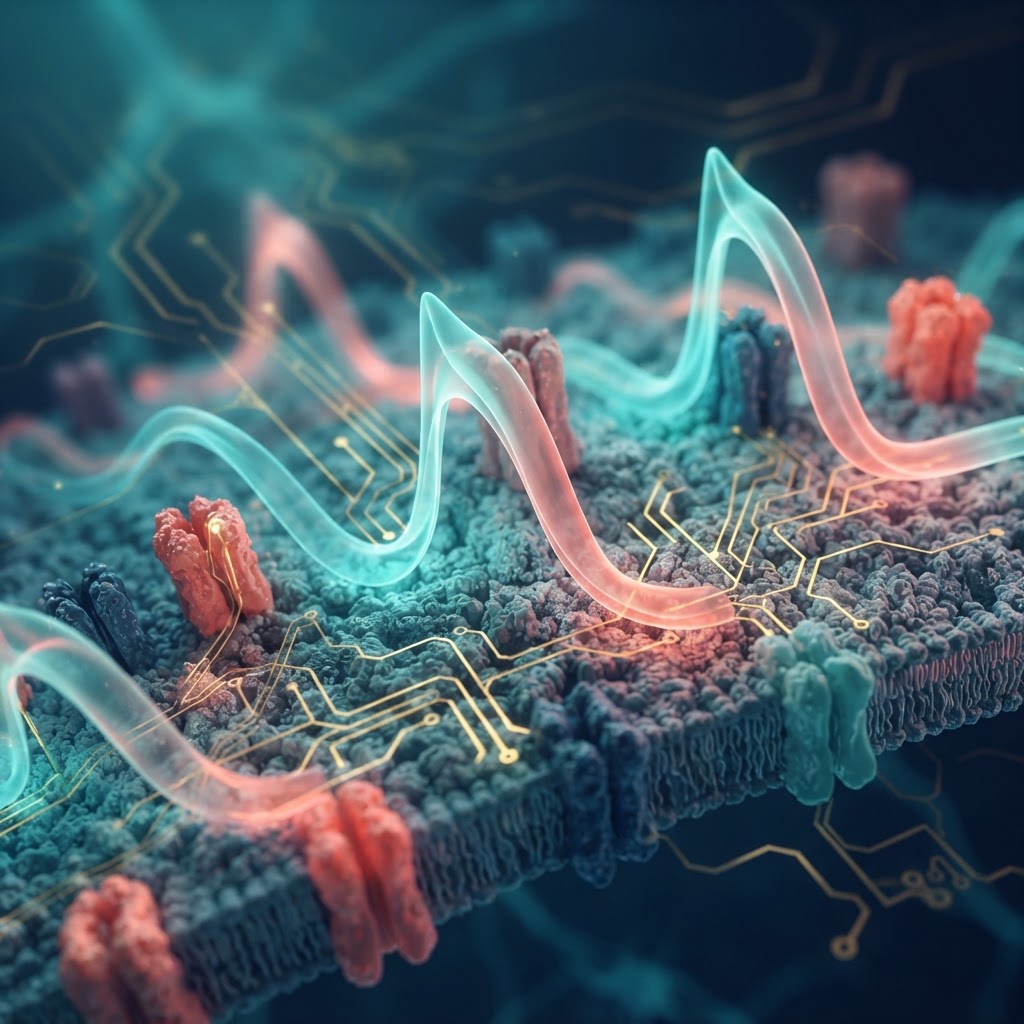
- Short‑term electrical states: sustained membrane potential differences, ionic concentrations and gap‑junction mediated coupling create metastable circuit states that outlast activating stimuli.
- Stabilization via gene regulation: electrical states can gate second messengers (e.g., Ca2+), activating transcriptional cascades and epigenetic marks that lock in new functional states.
- Structural persistence: changes to cytoskeleton, extracellular matrix or network topology (in slime molds) can scaffold electrical states and thus preserve memory over long timescales.
Why this is important now
Viewing memory as an emergent property of bioelectric circuits reframes multiple fields. For regenerative medicine, it suggests we can program tissues not only genetically but electrically — resetting a damaged limb’s pattern memory to trigger correct regrowth. In synthetic biology and unconventional computing, bioelectrical networks offer substrates for living information processors that compute, remember and adapt without neurons.
Open debates
Key questions remain. How much information can bioelectric states store? Are they more analog than digital, and how reliably are they reproduced across individuals? Crucially, where is long‑term storage located — in sustained ionic gradients, protein modifications, gene regulatory networks, or physical tissue architecture? Resolving these mechanisms will determine whether bioelectric memory can be harnessed predictably.
Takeaway: Memory is not the sole province of synapses. Bioelectric signaling provides a versatile, multi‑scale mechanism for storing and recalling information across life’s kingdoms — an insight that opens both conceptual and practical frontiers in biology.