Where physics meets navigation
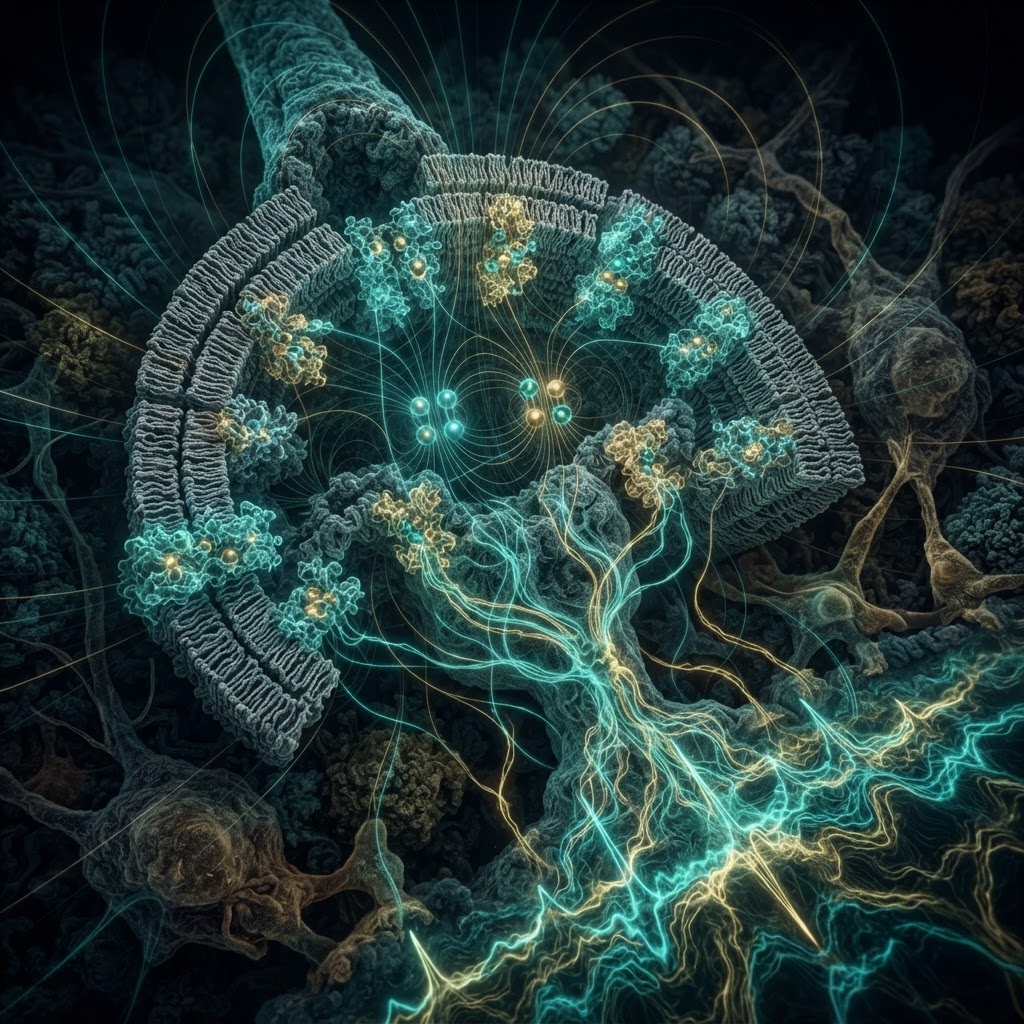
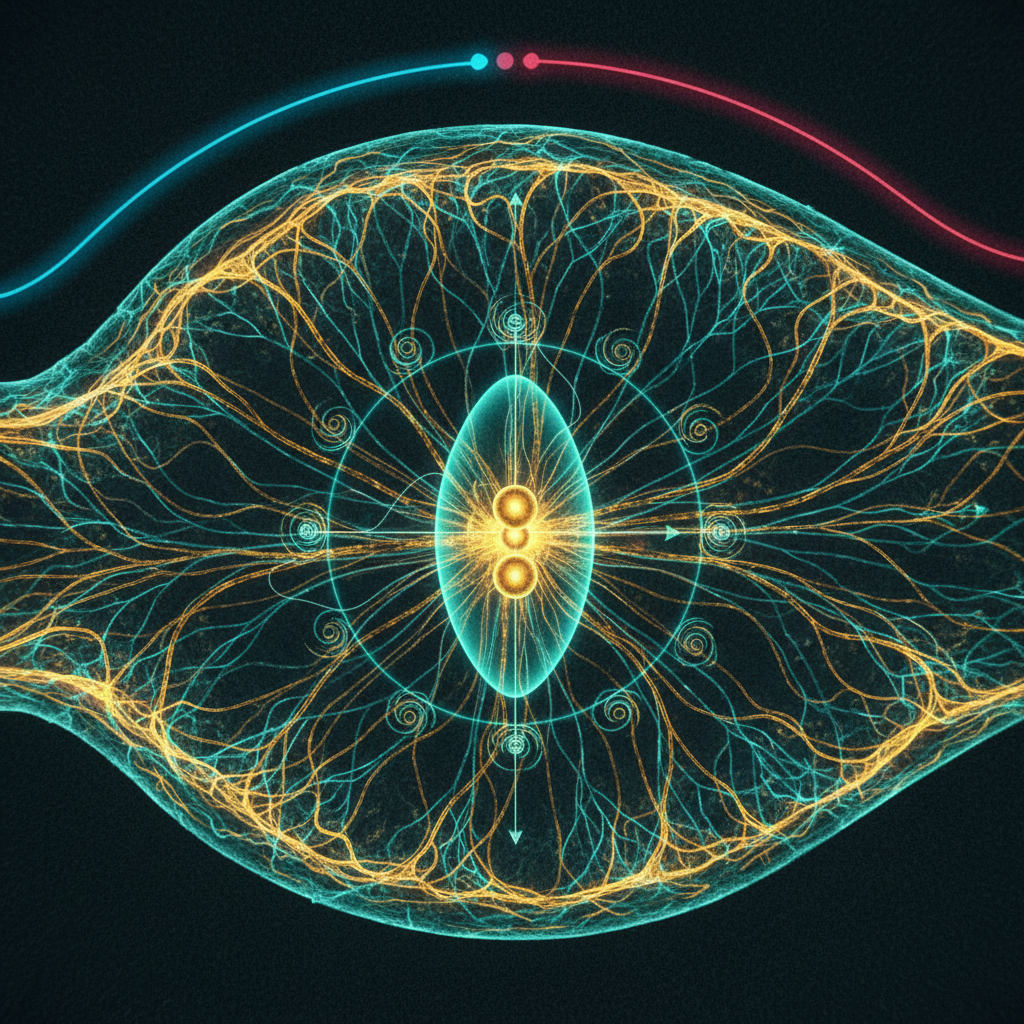
Migratory birds navigate with exquisite precision across thousands of kilometres, and one plausible explanation — increasingly supported by experiments — is a light‑dependent chemical compass rooted in quantum spin chemistry. The radical‑pair mechanism proposes that absorption of blue light by retinal cryptochrome proteins produces a pair of spatially correlated radicals whose singlet–triplet interconversion is modulated by the Earth’s weak magnetic field. That modulation can bias downstream chemistry and, ultimately, a neuronal signal that informs direction.
Why the radical pair hypothesis remains front‑runner
Three lines of evidence have sustained the radical‑pair picture. First, behavioural studies show that many migratory species lose or alter their magnetic orientation in specific wavelengths of light: the compass is light‑dependent, which points to a photoreceptor rather than an iron‑based sensor alone. Second, biochemical and spectroscopic work demonstrates that flavin–tryptophan radical pairs, the canonical pair in cryptochrome, are magnetically sensitive at field strengths comparable to the geomagnetic field. Third, molecular biology has identified cryptochrome variants — notably Cry4 in several songbirds — that are expressed in the retina and have the biochemistry compatible with forming the required radical pairs.
Recent advances that sharpen the hypothesis
- Improved biophysics: In vitro experiments and quantum‑chemical modelling have shown that flavin–tryptophan radical pairs can maintain coherence long enough to be sensitive to Earth‑strength fields, and that anisotropic hyperfine interactions can encode directional information.
- Candidate magnetoreceptor identified: Comparative expression studies across seasons and species have elevated Cry4 as a leading candidate in migratory birds, because its expression patterns and protein properties fit the behavioural phenotype better than other cryptochromes.
- Cross‑disciplinary validation: Behavioural manipulations (light wavelength, oscillating magnetic fields) produce effects congruent with radical‑pair predictions, and genetic disruption of cryptochrome function impairs magnetic responses in model organisms.
What’s still unsettled — and why it matters
Despite the compelling convergence, the chain from quantum chemistry to behaviour contains critical gaps. Most importantly, we do not yet have a direct in situ demonstration that radical‑pair dynamics in retinal cryptochromes produce a neural signal that the brain decodes as a compass heading. How a change in chemical yield is converted into a spatially organized neural code — and at what retinal cellular level this occurs — remains speculative. Alternative or complementary mechanisms also persist: iron‑based magnetite particles could provide intensity cues or anchor different sensory channels.
Where the field is headed
Progress now depends on more integrative experiments. Electrophysiological recordings from retinal circuits under controlled light and magnetic conditions, targeted molecular perturbations (gene editing in birds remains challenging but is advancing), and single‑molecule spectroscopy in physiologically realistic conditions are all entering reach. On the theory side, refined spin dynamics models that include protein motion, electron transfer pathways and cellular noise are clarifying how quantum coherence can survive and be functionally exploited in a warm, wet tissue.
Bottom line: The radical‑pair model — and cryptochrome, in particular Cry4 — remains the best articulated explanation for a light‑dependent magnetic compass in migratory birds. The hypothesis has moved from speculative quantum oddity to experimentally testable framework, but a definitive in vivo link from radical spin dynamics to neural compass remains the decisive experiment the field is pursuing.