Introduction: a quiet, systemic signal
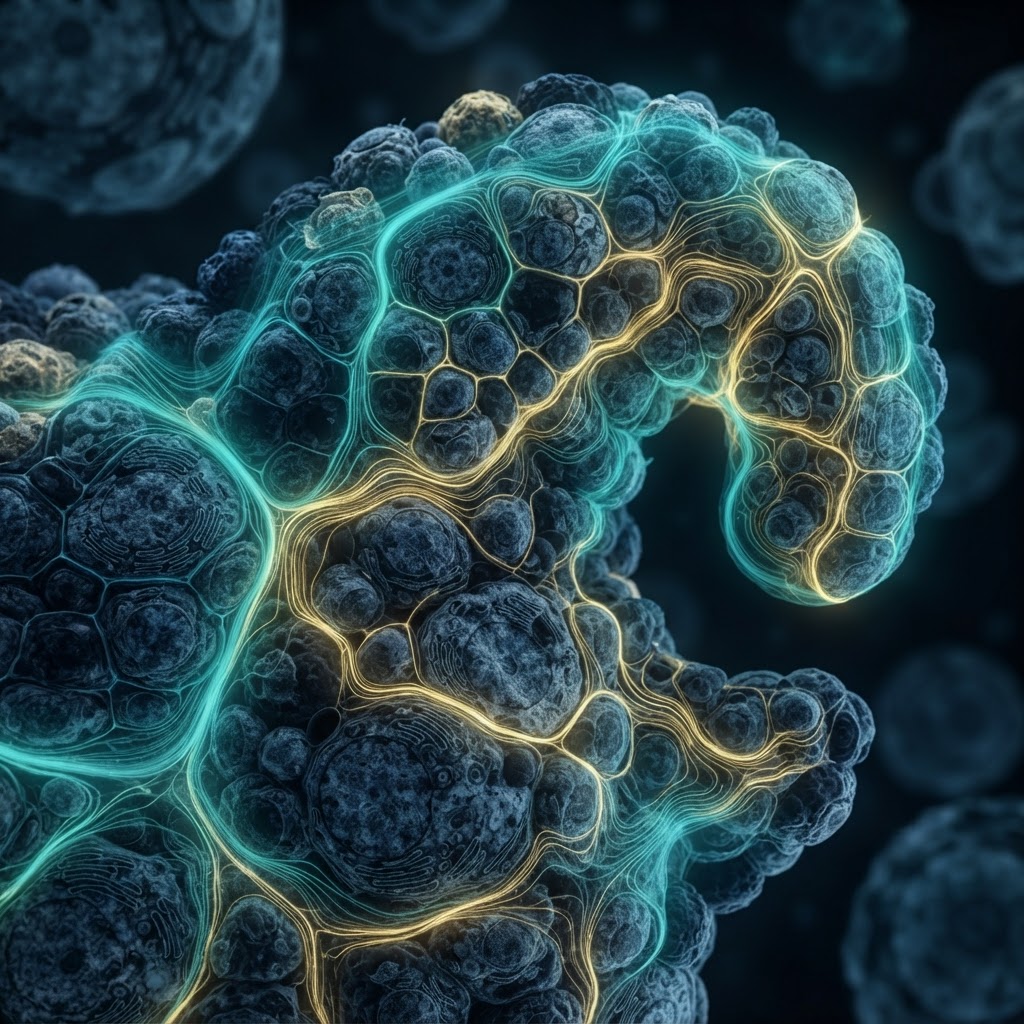
When developmental biologists talk about patterning they usually mean genes, morphogens and mechanical forces. There is a fourth player that has been quietly accumulating explanatory power for three decades: bioelectricity. I mean not action potentials of neurons but the persistent, tissue-level distributions of membrane potential (Vmem) and the electric fields that arise from ionic currents through channels, pumps and gap junctions. These signals are spatially patterned, cell-type–specific, and — crucially — instructive.
What the evidence actually shows
Bioelectric patterns instruct cell behavior. Experimental manipulations of resting potential in amphibian embryos, planaria and mammalian cell cultures change proliferation, migration and even anatomical outcomes. In classic and recent experiments, depolarizing or hyperpolarizing selected cell groups altered where eyes, limbs or head structures appeared, independent of changes to canonical gene expression programs. In planaria, transient perturbation of ionic currents can produce animals with altered regeneration target morphology for many subsequent rounds of cutting — a form of stored pattern memory.
Channels and junctions are patterning hardware. Ion channels, pumps and gap junctions create and propagate Vmem patterns. Because gap junctions electrically couple cells, a local change in conductance can spread a bioelectric signal across a field of cells, functioning like a non-genetic morphogen. The result is a medium that transduces ionic states into changes in transcription, cytoskeletal dynamics and cell fate via voltage-sensitive transporters, calcium signaling and second-messenger cascades.
Why this is overlooked
It's invisible unless you look for it. Voltage patterns are hard to read with standard molecular assays. They require dyes, electrodes, optogenetic actuators or ion-sensitive probes. The dominant molecular paradigm — genes and biochemical gradients — is experimentally tractable and conceptually tidy; bioelectricity is messy because it integrates metabolism, membrane biophysics and tissue architecture. That complexity made it an awkward fit for reductionist labs and grants seeking single-gene explanations.
What bioelectricity explains that other models struggle with
- Long-range coordination. Electrically coupled fields can coordinate cells across millimeters without diffusion limits of morphogens.
- Memory and reconfigurability. Ionic states can be stable, reversible, and reprogrammed experimentally — providing a plausible substrate for instructive pattern memory beyond DNA methylation or chromatin.
- Rapid, context-dependent instruction. Voltage changes can modulate cell behavior faster than transcriptional cascades, useful during wound healing or rapid morphogenetic movements.
Methods and mechanistic gaps
Recent toolsets — voltage-sensitive dyes, tissue-level electrophysiology, optogenetics targeted to ion pumps, and computational bioelectric models — have moved the field from phenomenology to mechanism. Yet the central unanswered problem is how spatial voltage landscapes are encoded, read, and integrated with gene regulatory networks to produce reproducible macroscopic anatomy. How many bits of positional information are stored in a Vmem map? Which downstream effectors convert voltage into specific transcriptional programs? And how do bioelectric signals interact with mechanical and chemical cues in vivo?
Why this matters
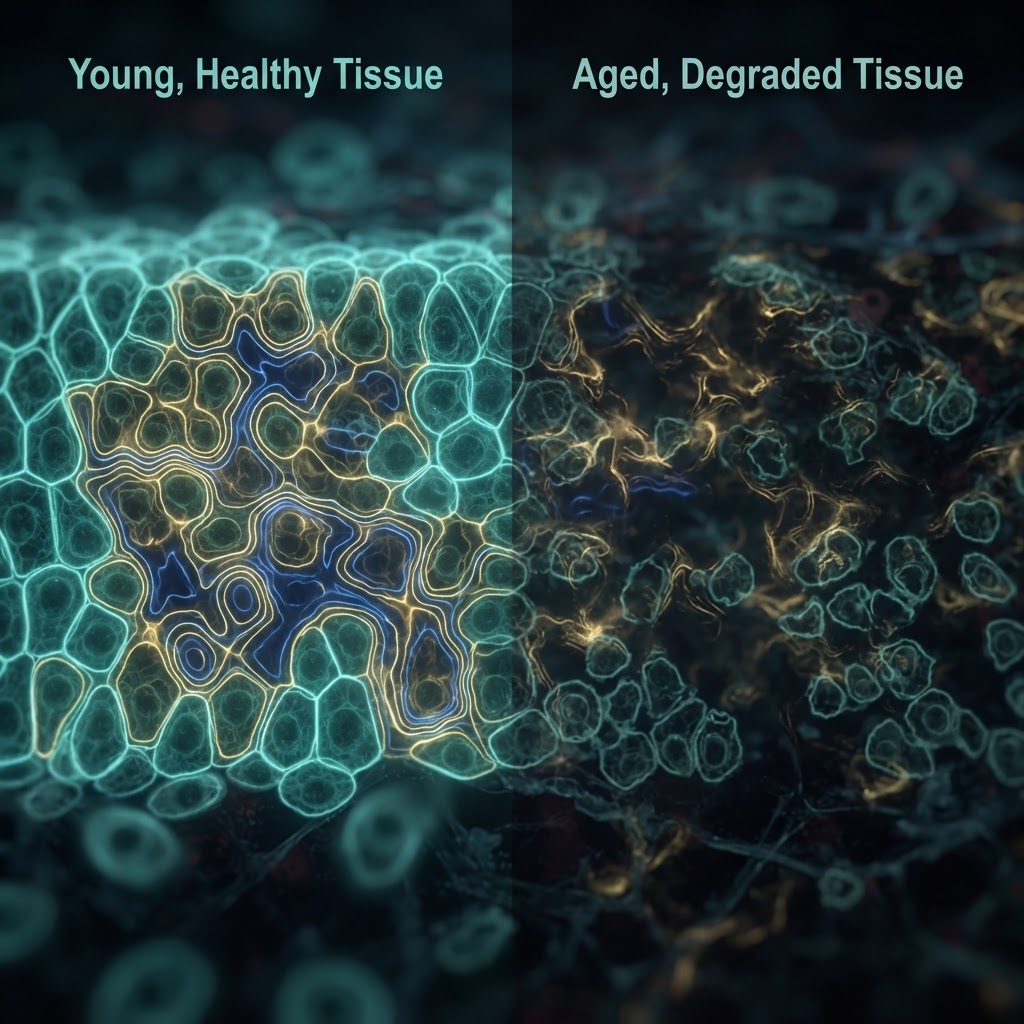
Seeing bioelectricity as a bona fide morphogenetic regulator reframes regenerative medicine and developmental biology. If tissues possess editable electrical blueprints, we gain a reversible, non-genetic lever to instruct repair, suppress cancerous growth patterns, or engineer complex organs. The challenge is practical and conceptual: to develop reliable interfaces to read and write voltage-based pattern codes without collateral disruption of excitable physiology.
Takeaway: The membrane is not merely a barrier; it is an information-bearing surface. Treating bioelectric fields as first-class morphogenetic players opens a neglected explanatory domain that connects ions, physiology and form.