From bloom to backbone
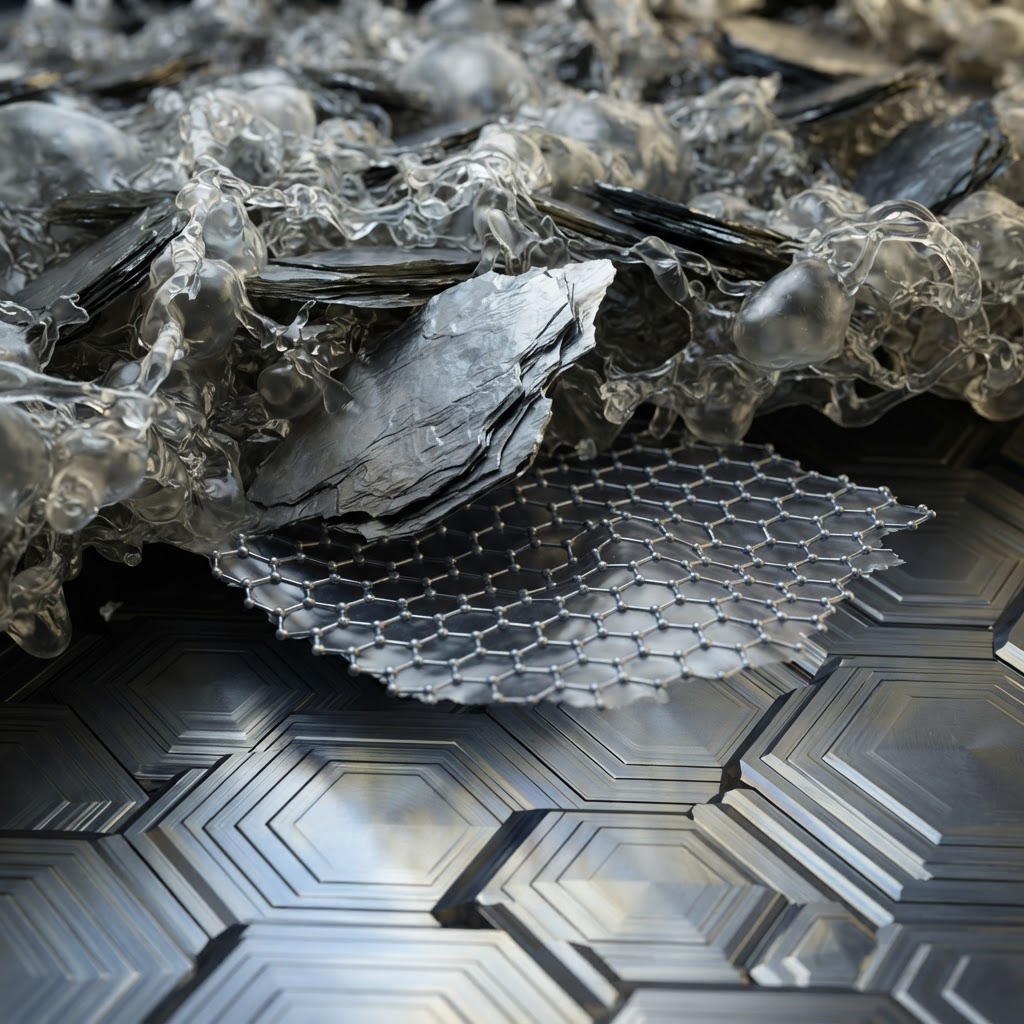
The word "steel" is deceptively modern for a material that has been central to human history for millennia. At its simplest steel is iron with enough dissolved carbon to change how the metal crystallizes and behaves: harder when you want an edge, tougher when you want a beam. That small chemical tweak — carbon atoms locking into iron's lattice — multiplies the possibilities of a civilization.
New perspective from old metal
Recent work in archaeometallurgy, using techniques such as high‑resolution electron microscopy, synchrotron X‑ray mapping and isotope geochemistry, has clarified a pattern archaeologists long suspected: steel was not invented once in a single place and then simply diffused. Instead, multiple societies discovered and refined ways to combine iron and carbon at different times and for different uses.
Two technological pathways emerged. Bloomery iron — the common early route — produces a spongy mass of iron and slag that smiths repeatedly heat and hammer to consolidate and remove impurities; incidental carburization during forging can produce steels with varying carbon. The crucible or closed‑container methods, exemplified by the famed South Asian "wootz" tradition, intentionally saturate molten iron with carbon to make more homogeneous, higher‑carbon steels. Each path delivers distinct microstructures and mechanical properties, and each carried different social and economic consequences.
Why a little carbon changed everything
From a materials perspective the answer is microstructure. Carbon stabilizes new iron phases (such as martensite and cementite) when cooled in certain ways, creating combinations of hardness, toughness and ductility that pure wrought iron can’t match. In practice that meant sharper blades that held their edge, springy components for tools, and structural members that allowed new architectures and machines.
Consequences for society
- Military: stronger, more durable weaponry altered battlefield dynamics and the logistics of war.
- Agriculture: reliable ploughs and cutting tools expanded cultivable land and efficiency.
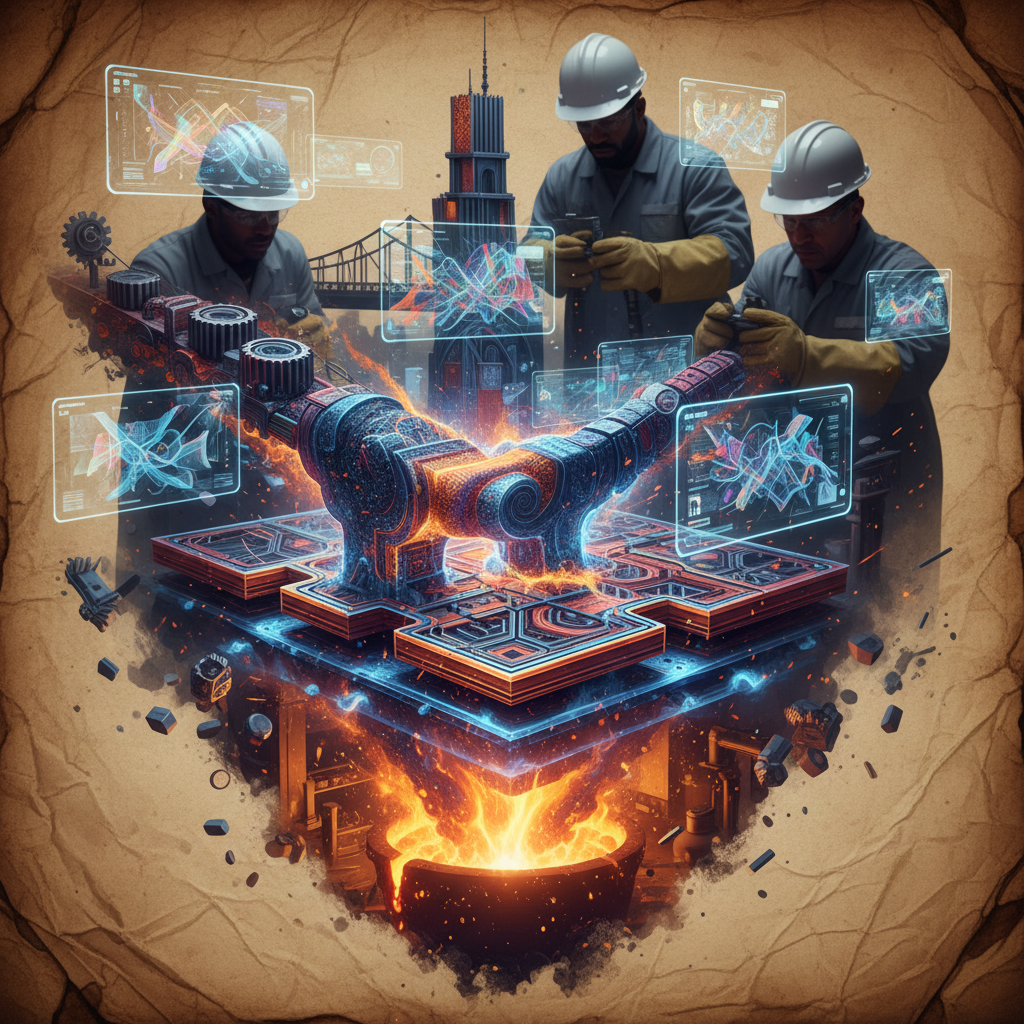
- Industry and trade: standardized metalwork enabled mechanisms — waterwheels, mills, and later steam engines — and created specialist crafts, trade networks and urban economies.
From historical insight to modern urgency
Understanding steel’s invention is not just academic. Today steelmaking accounts for roughly 7–9% of global CO2 emissions. The sector faces a parallel inflection: technical refinements that once multiplied human capability must now be reinvented to be low carbon. Pilot projects using hydrogen reduction and electric furnaces (for example in northern Europe) show the same combination of chemistry and engineering that birthed steel is now being marshaled to decarbonize it.
What remains unsettled
Outstanding questions are both local and global. Archaeologists still debate precise chronologies and the social mechanisms that favored one steelmaking route over another in particular locales. At the planetary scale, the big open question is whether low‑carbon technologies can be scaled and adopted fast enough to reconcile durable steel infrastructure with climate goals.
In short, the history of steel is a story of chemistry enabling societal change — and of technologies that must be reinvented again to meet the demands of a different age.