Materials Science
41 articles

Bending Heat Around Objects: The Physics and Promise of Metamaterial Thermal Cloaks
By engineering materials with spatially graded thermal conductivities, physicists have learned to steer heat around obstacles as smoothly as a river diverts around a stone — and the implications reach from microelectronics to energy harvesting.

Edge of Order: How Topology Made Surface Electrons Immune
A century of band theory and a late-20th-century twist gave materials a new kind of robustness — surfaces that conduct because their bulk is topologically distinct.
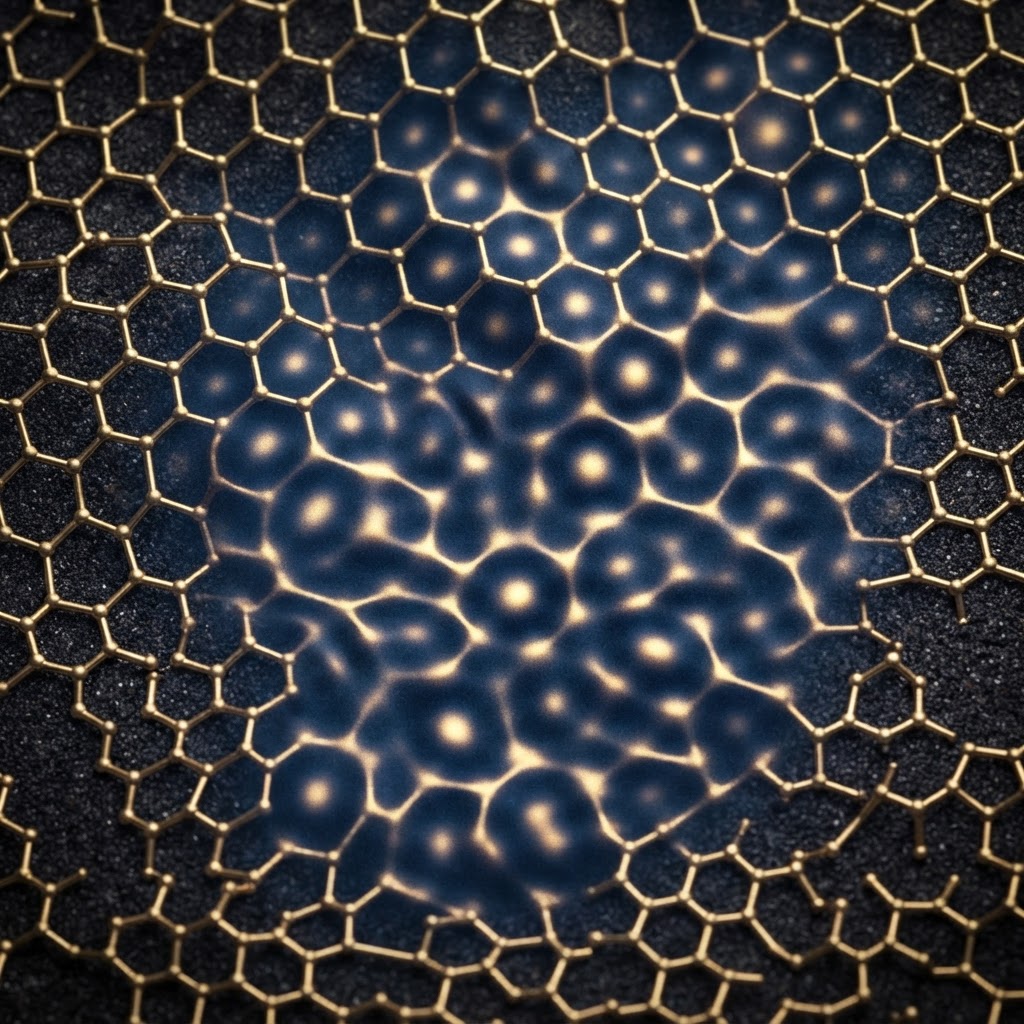
Twistronics' Hidden Parameters: Why Moiré Magic Is Fragile—and Remarkably Tunable
Beyond the catchy 'magic angle' headline lies a thicket of microscopic knobs—strain, relaxation, screening and topology—that actually determine whether moiré electrons corral into exotic quantum phases.
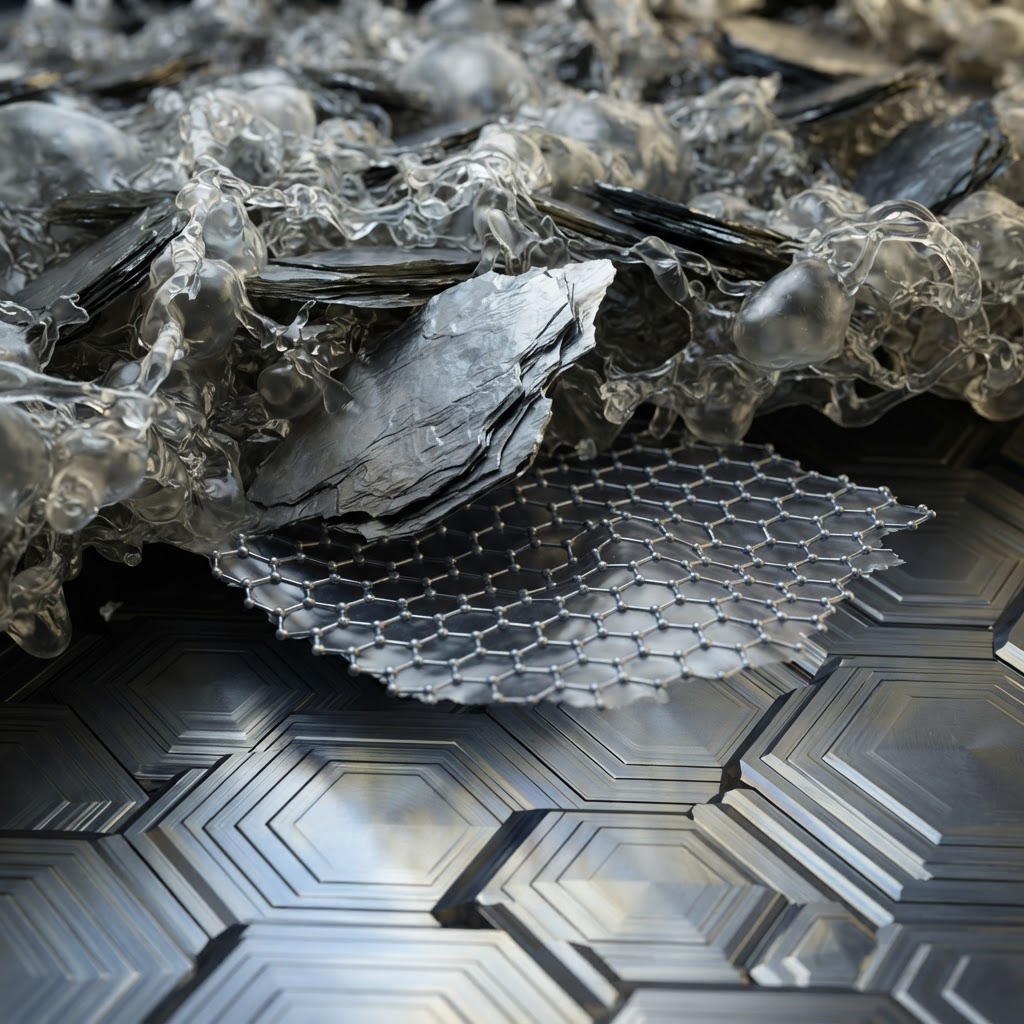
How Scotch Tape Won a Nobel Prize: A Testable Hypothesis for Adhesive-Directed Exfoliation of Graphene
The humble adhesive peel is not luck — it is a physical selection mechanism that enabled isolation of pristine graphene and can be engineered into predictable, scalable exfoliation.

Making Matter That Moves Itself: The Practical Physics of Self‑Reconfiguration
Recent advances stitch together materials, modular hardware and distributed computation—but energy, bonding and scale remain the hard physics that will decide whether programmable matter becomes ubiquitous or stays a laboratory curiosity.

Breakthroughs in Ammonia‑Free Fertilizer Production: Electrochemical Routes and Realistic Prospects
New electrochemical and hybrid methods map a pathway to fertilizers synthesized without Haber‑Bosch ammonia—but scalability, metrics and ecological trade‑offs remain decisive.

Room‑Temperature Superconductivity Still Out of Reach: Lessons from LK‑99 and the Hydride Frontier
Recent flurries of high‑profile claims — most notably LK‑99 — have underscored how difficult, subtle and reproducibility‑dependent the search for an ambient, room‑temperature superconductor remains.
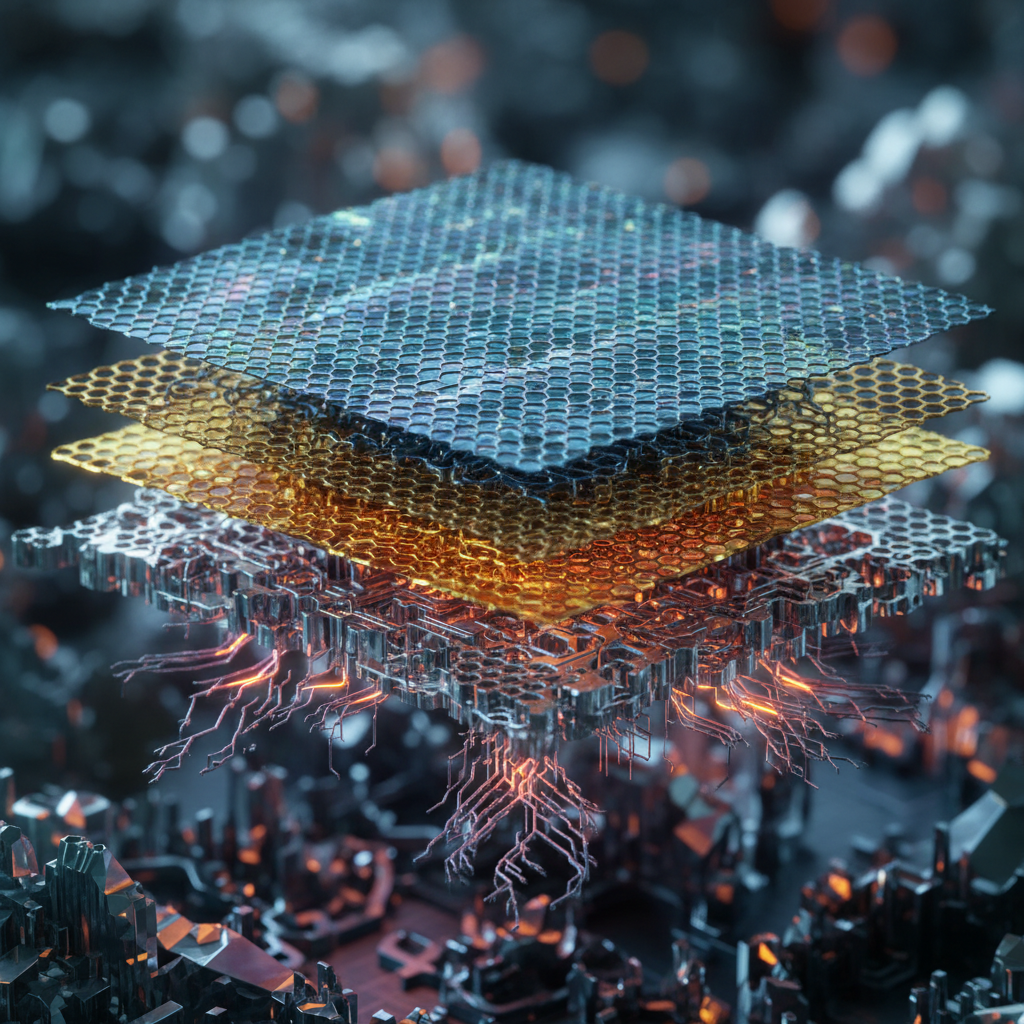
Layered Leap: 2D Heterostructures Rewire Photovoltaic Design
Atomically thin stacks of transition-metal dichalcogenides and other 2D crystals are delivering new routes to charge separation, tunable band alignment and device architectures that could reshape next‑generation solar cells.

The Magic Angle Revolution: How Twisted Atomic Layers Rewired Correlated Electron Physics
By rotating two sheets of graphene by precisely 1.1 degrees, physicists conjured superconductivity, magnetism, and Mott insulation from a material that should, by rights, do none of those things.
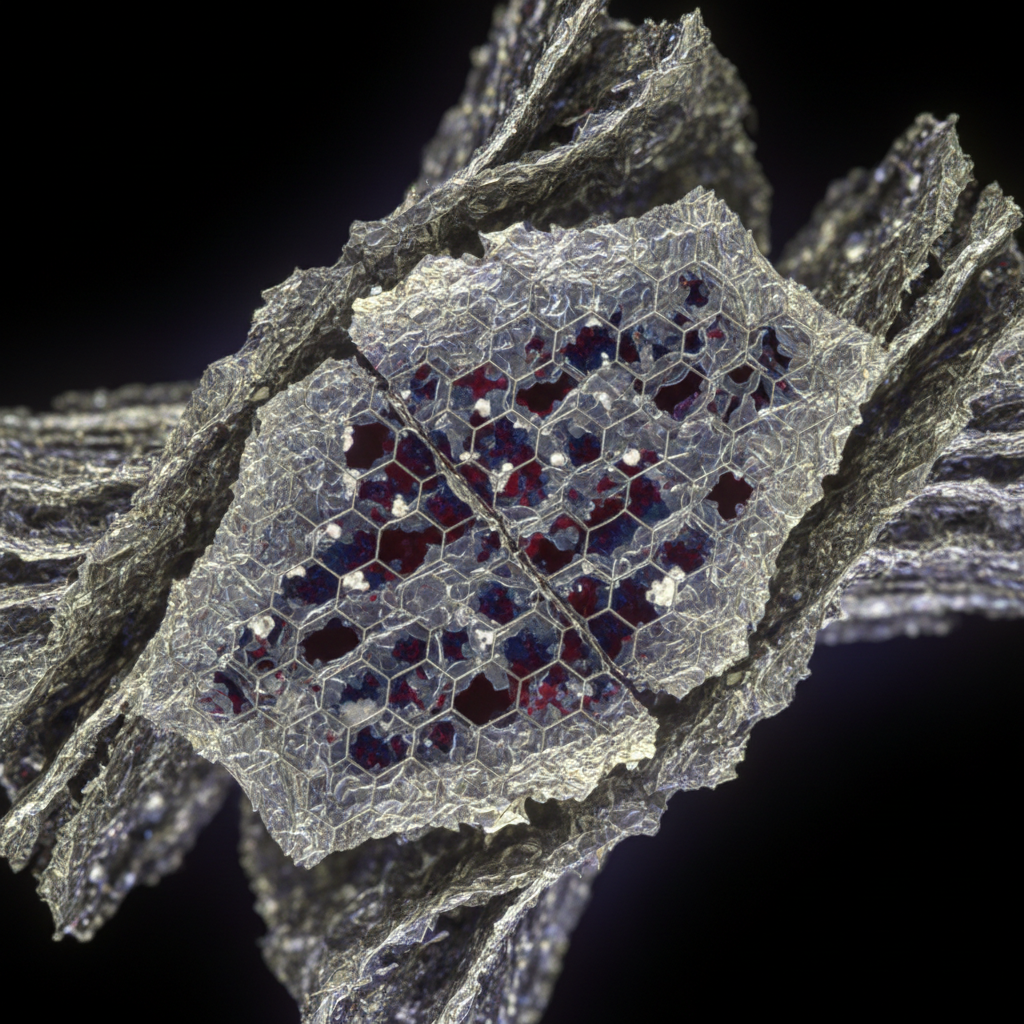
Twistronics: When a Twist Turns van der Waals Stacks into Strongly Correlated Matter
A small angular misalignment in layered two-dimensional crystals creates flat electronic bands that amplify interactions, spawning insulators, superconductors and a growing frontier of engineered quantum phases.

Stack, Twist, Harvest: 2D Heterostructures Reconfigure the Solar-Cell Playbook
Atomically thin stacks of 2D semiconductors are converting excitonic physics into practical routes for ultra-thin, tunable and potentially more stable photovoltaics.

Steel’s Genesis: How Iron and Carbon Transformed Civilization — and Why That Origin Still Matters
Archaeometallurgy and modern decarbonization together show that the moment iron met carbon rewired technology, warfare and economics — and that rewiring is entering a new chapter today.