The Bioelectric Paradigm Shift
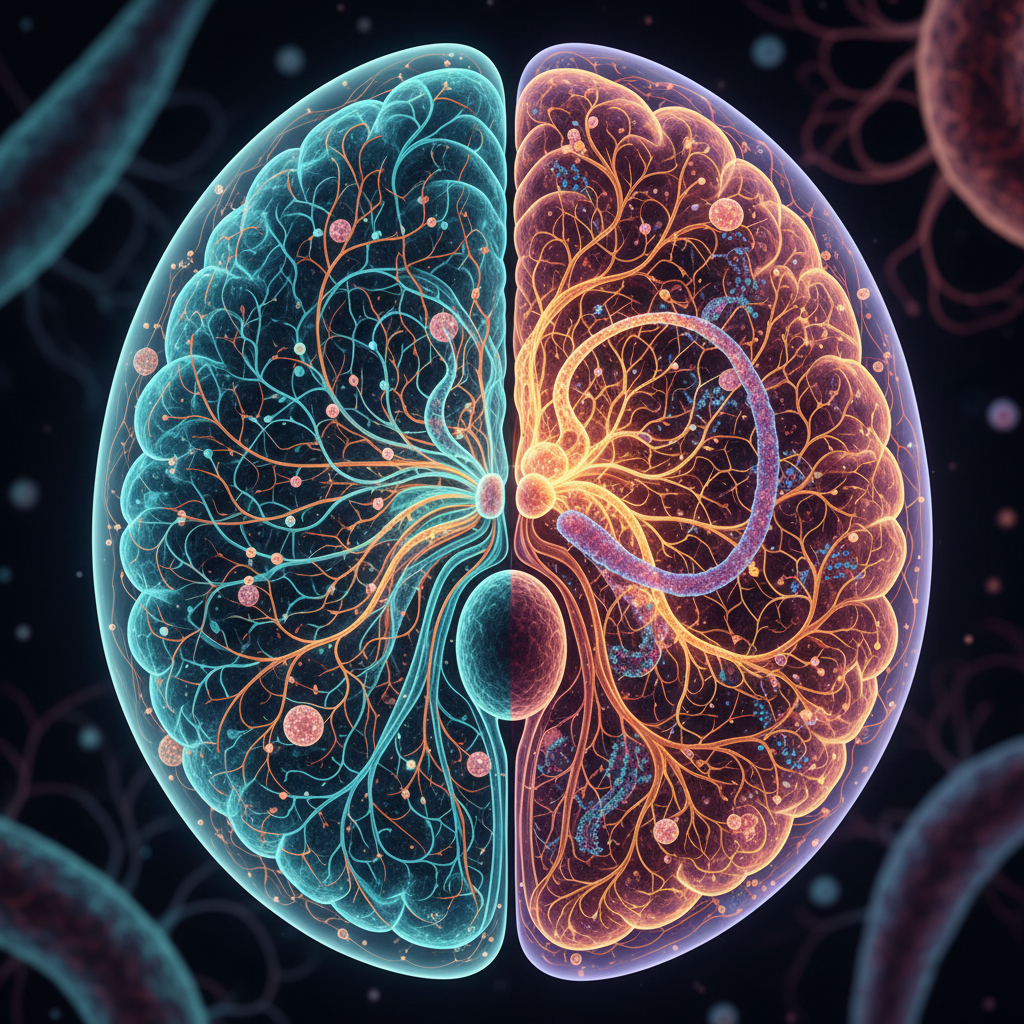
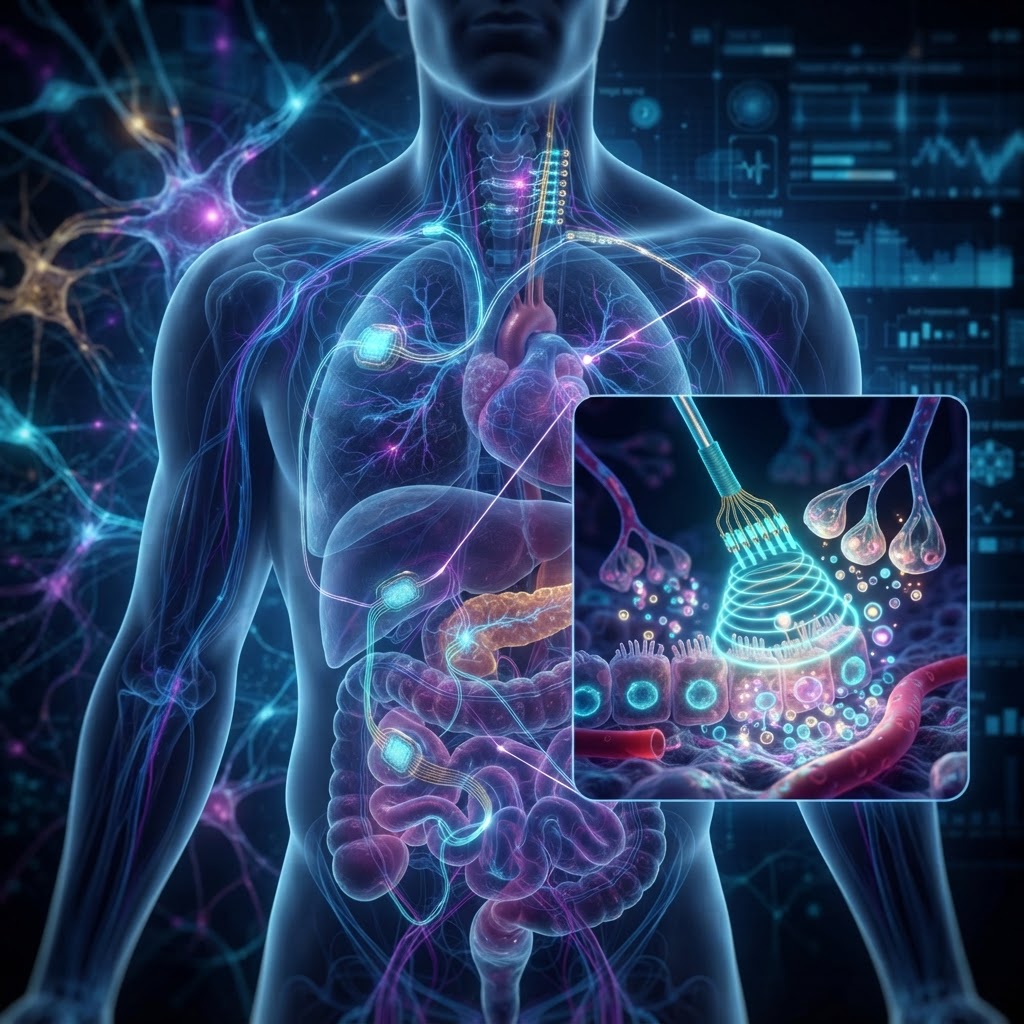
For decades, the medical understanding of bioelectricity has been largely confined to excitable tissues: the firing of neurons and the rhythmic beating of the heart. Consequently, the first generation of electroceuticals focused on devices like pacemakers and spinal cord stimulators. However, a profound paradigm shift is underway. Recent research reveals that all cells—not just neurons—form complex electrical networks that control gene expression, cell behavior, and large-scale anatomical patterning. This realization is expanding the field of electroceuticals far beyond the nervous system, offering unprecedented opportunities in regenerative medicine, oncology, and the treatment of birth defects.
Somatic Computation: How Tissues "Think"
The concept of somatic computation posits that networks of non-neural cells collectively process information to make decisions about growth, form, and remodeling. A 2019 study introduced a minimal Bio-Electric Network (BEN) model, demonstrating that non-neural tissues utilizing basic principles of bioelectricity—electrodiffusion and gating—can perform computational tasks. This challenges the long-held assumption that computation is the exclusive domain of highly specialized neural networks. Instead, multi-stable bioelectric states in non-neural tissues function similarly to neural memory, utilizing conserved ion-channel and electrical synapse machinery to guide morphogenesis and pattern homeostasis.
Mechanisms of Bioelectric Signaling
How do weak bioelectric signals translate into complex anatomical changes? The mechanisms involve a delicate interplay between ion channels, gap junctions, and downstream genetic networks. Endogenous electric fields and resting membrane potentials dictate the flow of ions, which in turn regulates the transport of small signaling molecules. For instance, in left-right patterning during embryogenesis, bioelectric gradients drive the directed transport of molecules like serotonin through gap junctions, ultimately triggering asymmetric gene expression cascades. These bioelectric cues act both upstream and downstream of traditional biochemical pathways, serving as a master regulatory layer for tissue organization.
Evidence from Regeneration and Oncology
The therapeutic potential of manipulating these non-neural bioelectric networks is vast. In regenerative contexts, studies have shown that the bioelectric state of a wound site is a critical determinant of whether tissue will regenerate or simply scar. By artificially modulating the electric field or ion channel activity, researchers have successfully induced regenerative responses in typically non-regenerating models. Furthermore, cancer can be viewed as a disorder of bioelectric communication, where cells disconnect from the host's electrical network and revert to a localized, proliferative state. Targeting the bioelectric properties of tumors with specific ion-channel drugs or optogenetic tools represents a novel, non-toxic approach to oncology.
Open Questions and the Future of Electroceuticals
Despite these exciting advances, significant challenges remain. A major barrier is the lack of comprehensive physiomic profiling datasets—large-scale measurements of bioelectric states across diverse tissues. Additionally, the precise "bioelectric code"—how specific voltage patterns map to specific anatomical outcomes—remains largely undeciphered. Future research must focus on developing high-resolution tools to read and write bioelectric information in vivo, integrating these signals with known biochemical and biomechanical frameworks. As we move toward a third generation of highly precise, mechanism-based electroceuticals, the ability to reprogram the body's endogenous electrical circuits could revolutionize our approach to healing and disease.