Medicine & Physiology
39 articles
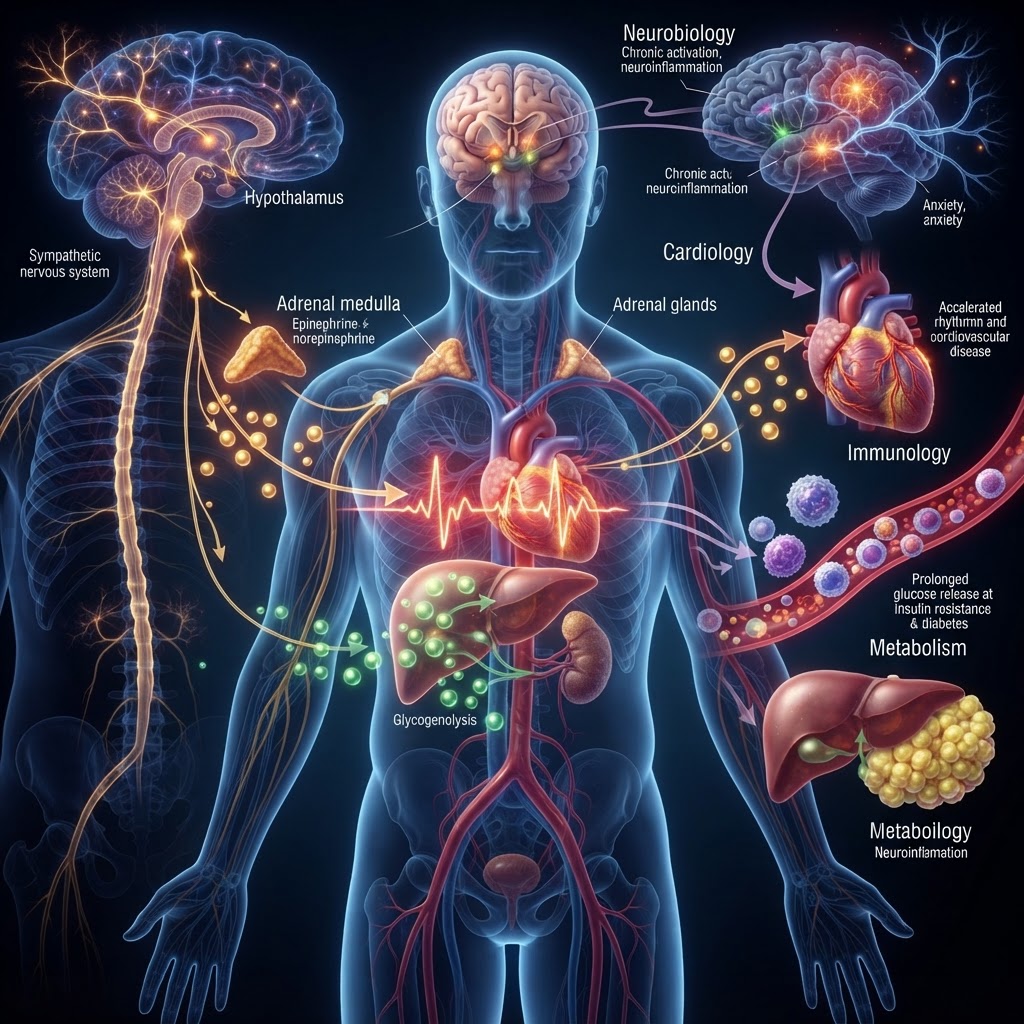
How Walter Cannon’s ‘Fight-or-Flight’ Still Shapes 21st‑Century Medicine
A century after Cannon framed the acute stress response, modern medicine still builds on—and is revising—the physiology he described.
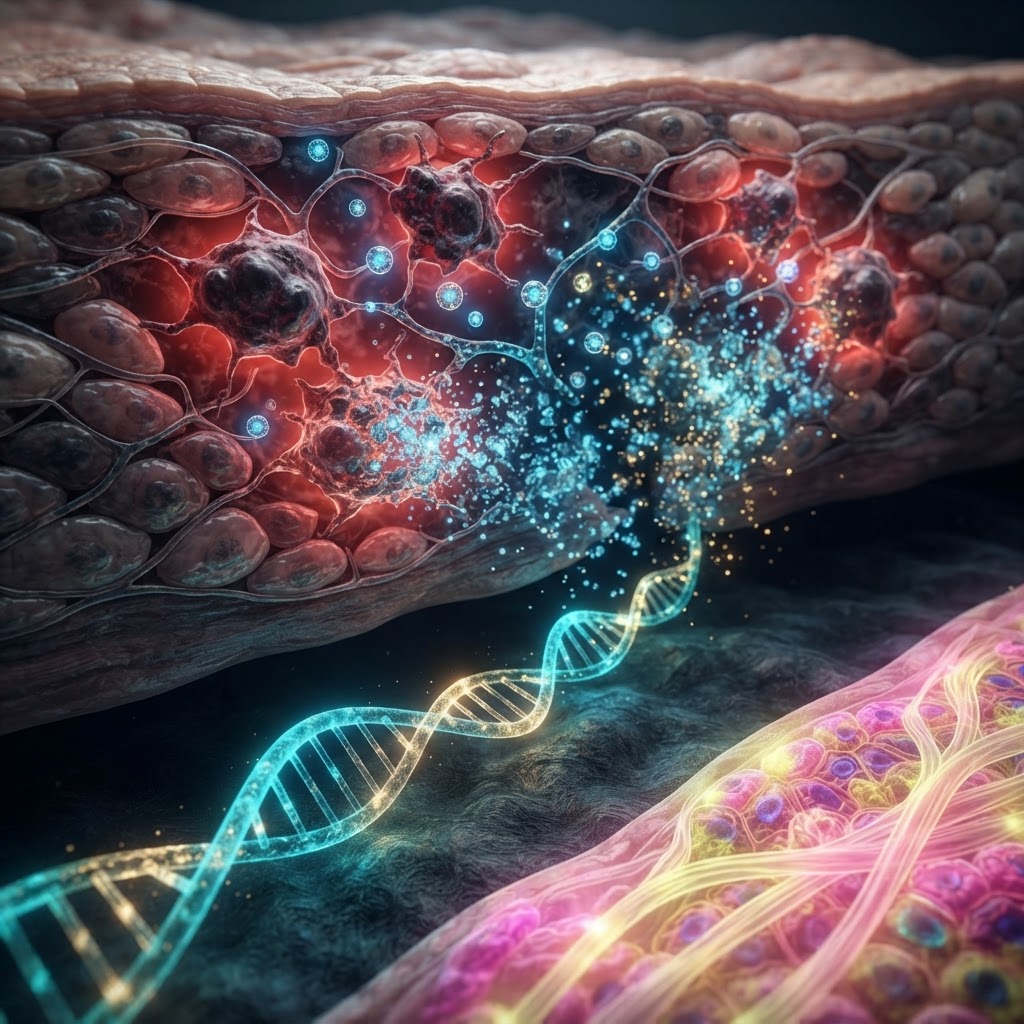
Cutting Out the Old: Senolytic Therapies and the Hidden Path to Healthspan
Removing a handful of dysfunctional cells may reshape late-life resilience — but the approach is subtler, riskier, and more interesting than headlines admit.
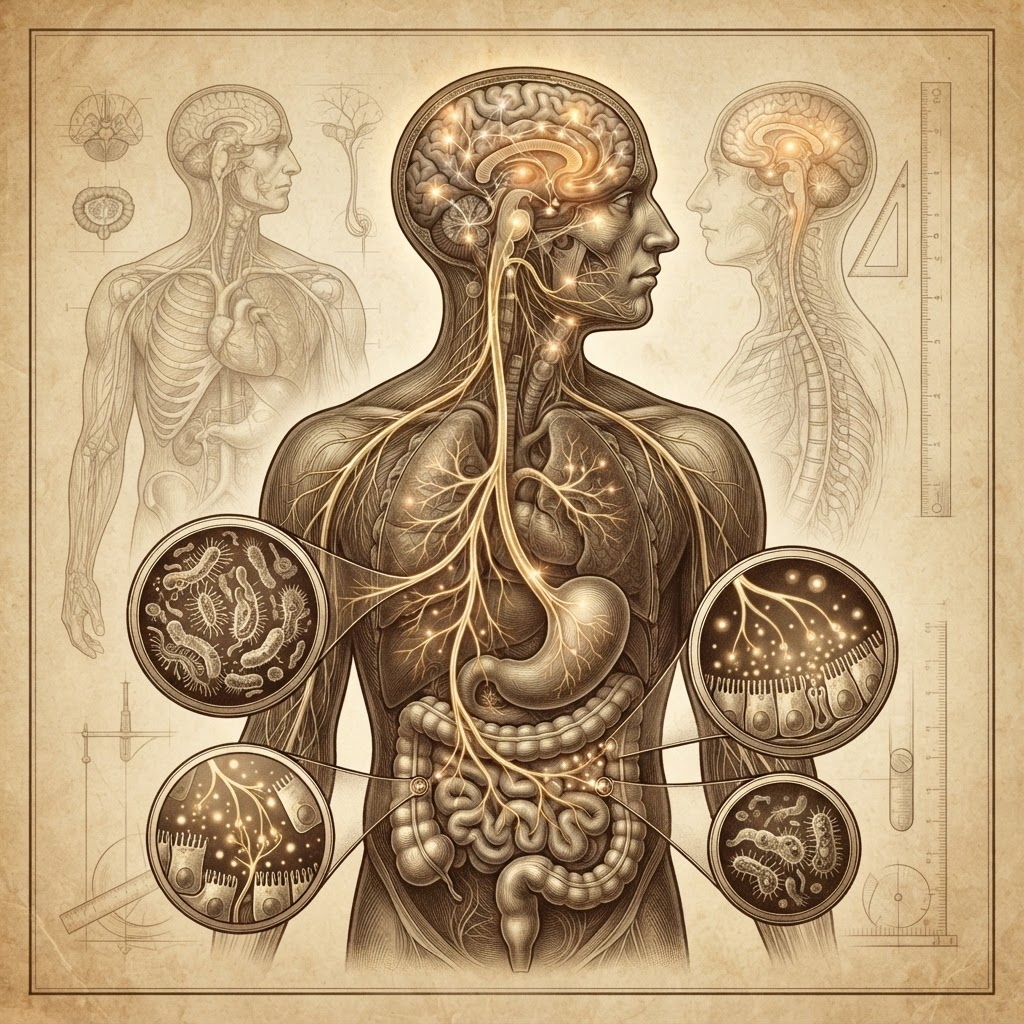
Silent Conversations: Vagal Afferents, the Gut–Brain Axis, and the Biology of Mood
How the vagus nerve translates the chemistry and chatter of the gut into feeling, resilience, and — sometimes — depression.
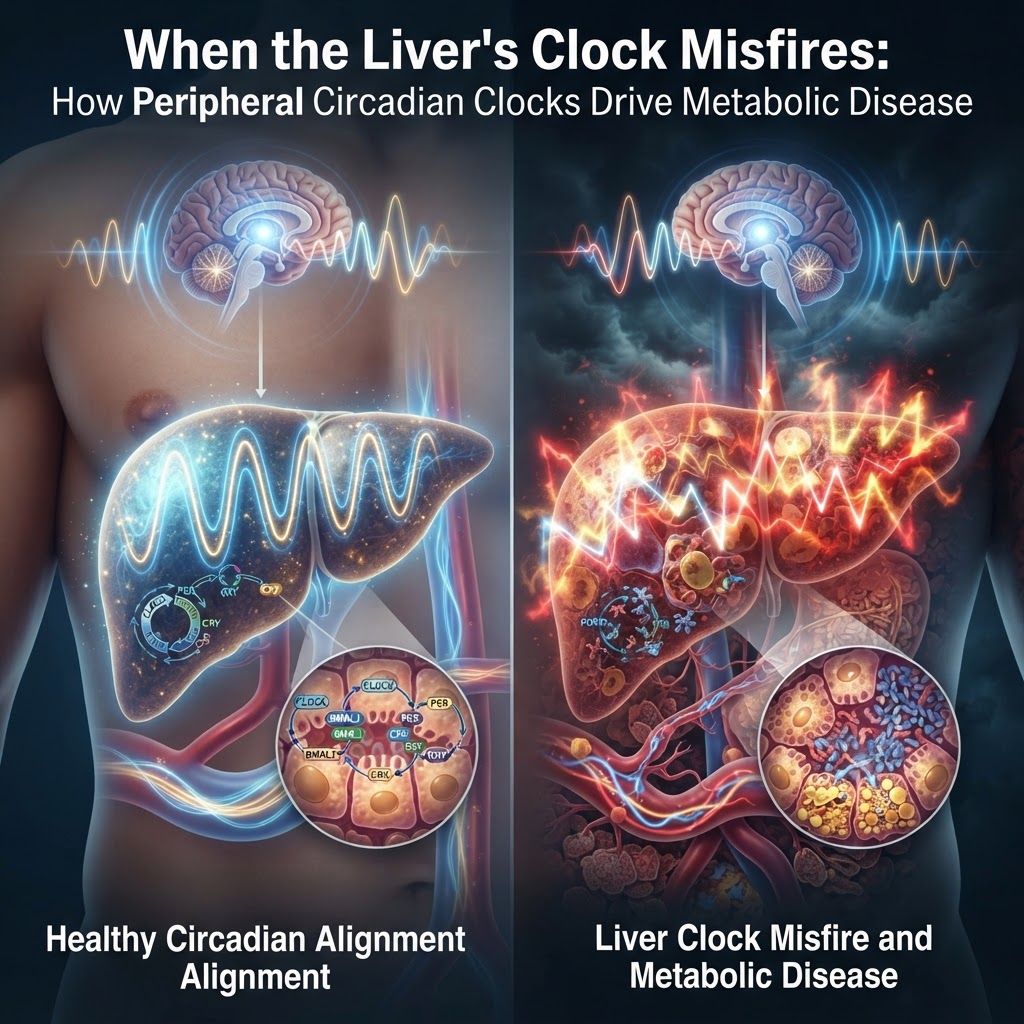
When the Liver's Clock Misfires: How Peripheral Circadian Clocks Drive Metabolic Disease
Beyond the brain’s master clock, local timekeepers in liver, fat, muscle and pancreas quietly gate metabolism — and their misalignment is a hidden engine of metabolic disease.
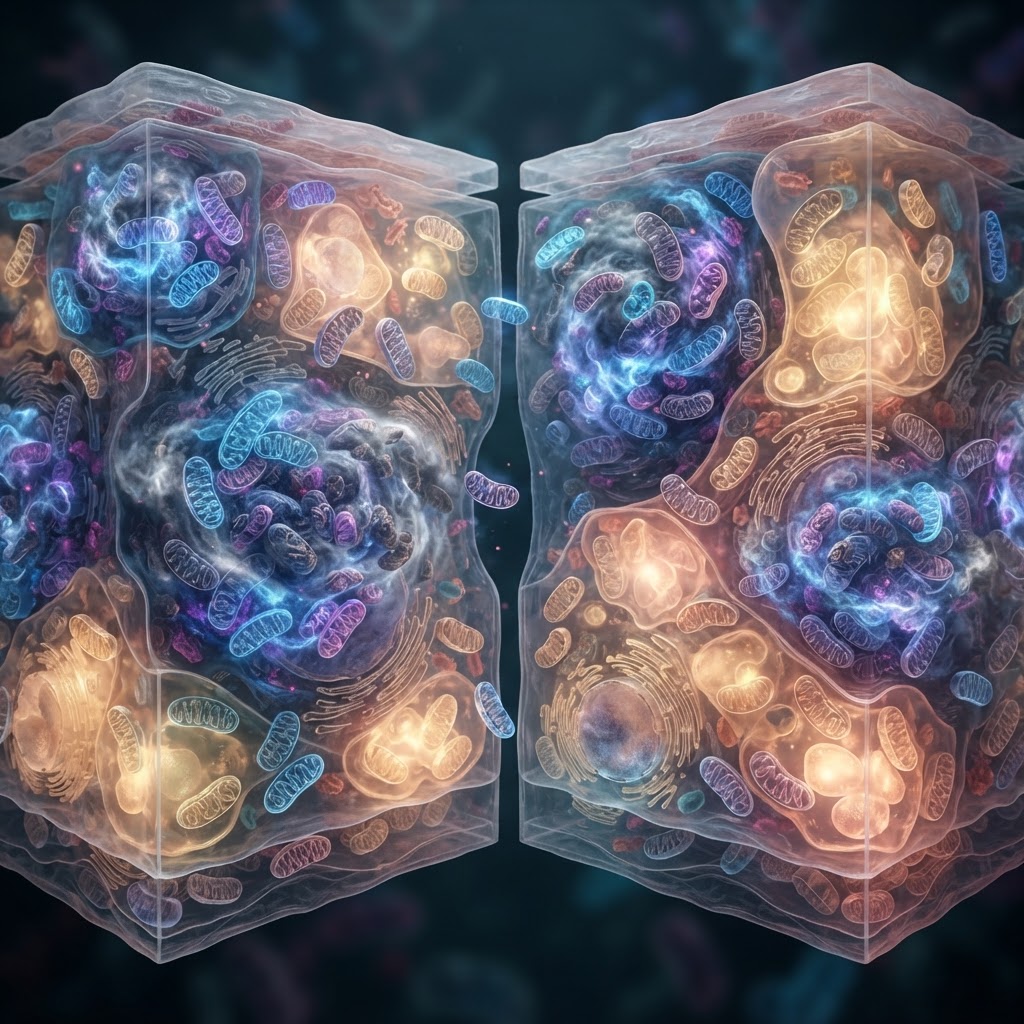
When Mitochondrial Mutations Behave Like Weather: Heteroplasmy, Mosaicism and Why Disease Shows Up in Some Tissues but Not Others
The same mtDNA mutation can be benign in blood, devastating in muscle — because mitochondrial genomes are a shifting, tissue-specific mosaic, not a single uniform genotype.

Durable Antiviral Surface Coatings Move From Lab to Longevity Claims — But Sterilization Remains Elusive
New studies show copper alloys and advanced photocatalytic films can maintain antiviral activity for months under realistic use conditions, but they do not equate to permanent sterilization.

The Physiology of Perceived Abundance: How Attention, Framing and Neuromodulators Shape Opportunity
Neuroscience shows 'abundance' is less a metaphysical broadcast than a set of attentional and neuromodulatory processes that alter perception, choice and behavior.
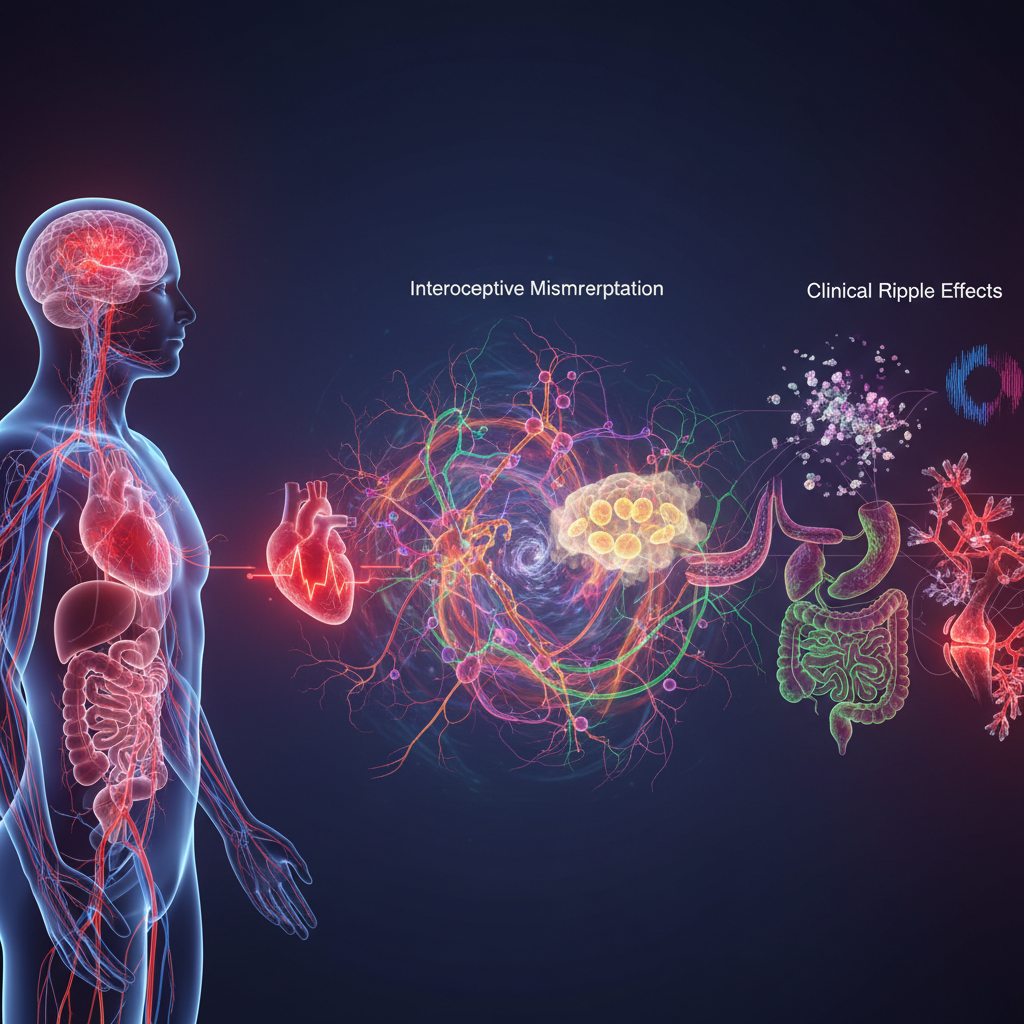
When the Body Lies: Autonomic Shifts, Interoceptive Misinterpretation, and the Clinical Ripple Effects
Emerging reports link transient autonomic state changes to misread internal signals that amplify panic, functional disorders and long-COVID disability.

Clearing the Cellular Trash: Senolytics Move From Mice Toward Human Healthspan Trials
Targeted removal of senescent cells—short-lived but inflammation-driving—has shifted from striking mouse biology to cautious, early human testing with mixed but promising signals.
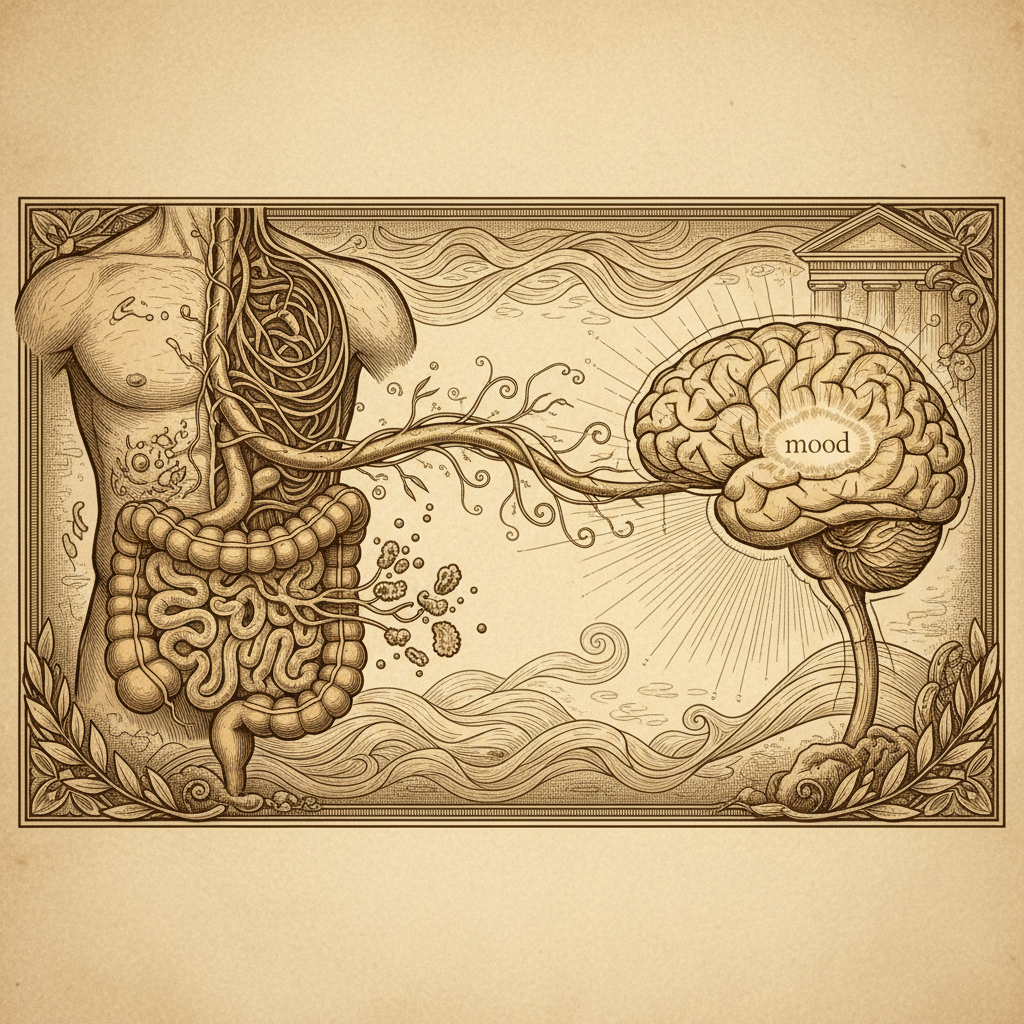
The Gut‑Brain Axis: How Vagal Afferents Shape Mood
From Hippocratic intuition to molecular neuroscience: the vagus nerve as the highway by which the gut talks back to the brain and sculpts our moods.
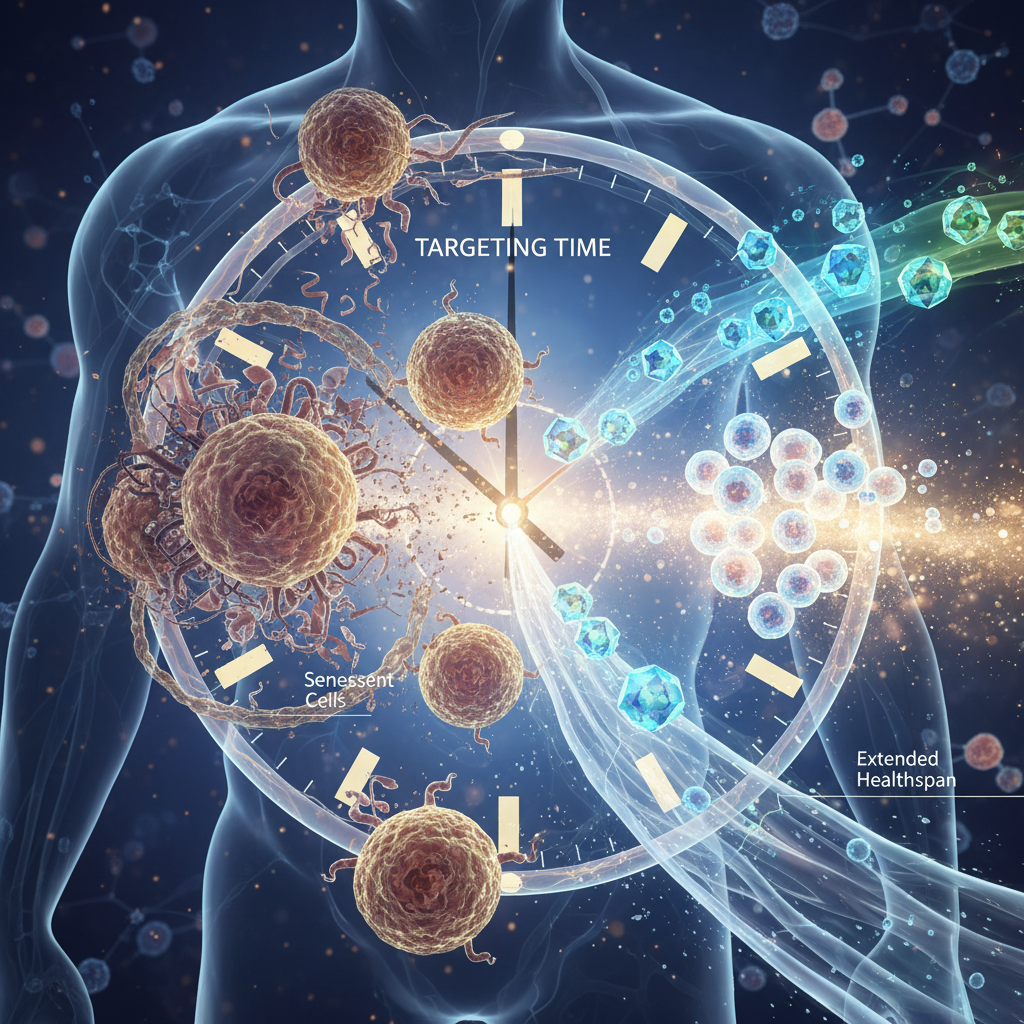
Targeting Time: Senolytic Therapies Clear Senescent Cells to Extend Healthspan
Removing a handful of damaged, pro-inflammatory cells may reset tissue environment and postpone multiple age-related dysfunctions.

Invisible Invaders: How Pasteur and Koch Proved Microbes Cause Disease
Two 19th-century experiments transformed medicine by turning an ancient intuition — that invisible life makes us sick — into rigorous proof and a living scientific program.