Research Proposals & Hypotheses
32 articles

RESEARCH PROPOSAL: Assessing the Asymmetry Problem in AI‑Era Writing Assessment
The Asymmetry of Detection: Quantifying the Failure of AI Detectors to Identify Average-Quality Writing and the Implications for Academic Integrity

Consciousness as a Topological Phase Transition in Neural Information Geometry
A hypothesis that conscious states emerge when the information geometry of brain activity crosses a topological threshold, marked by discrete changes in global connectivity invariants.
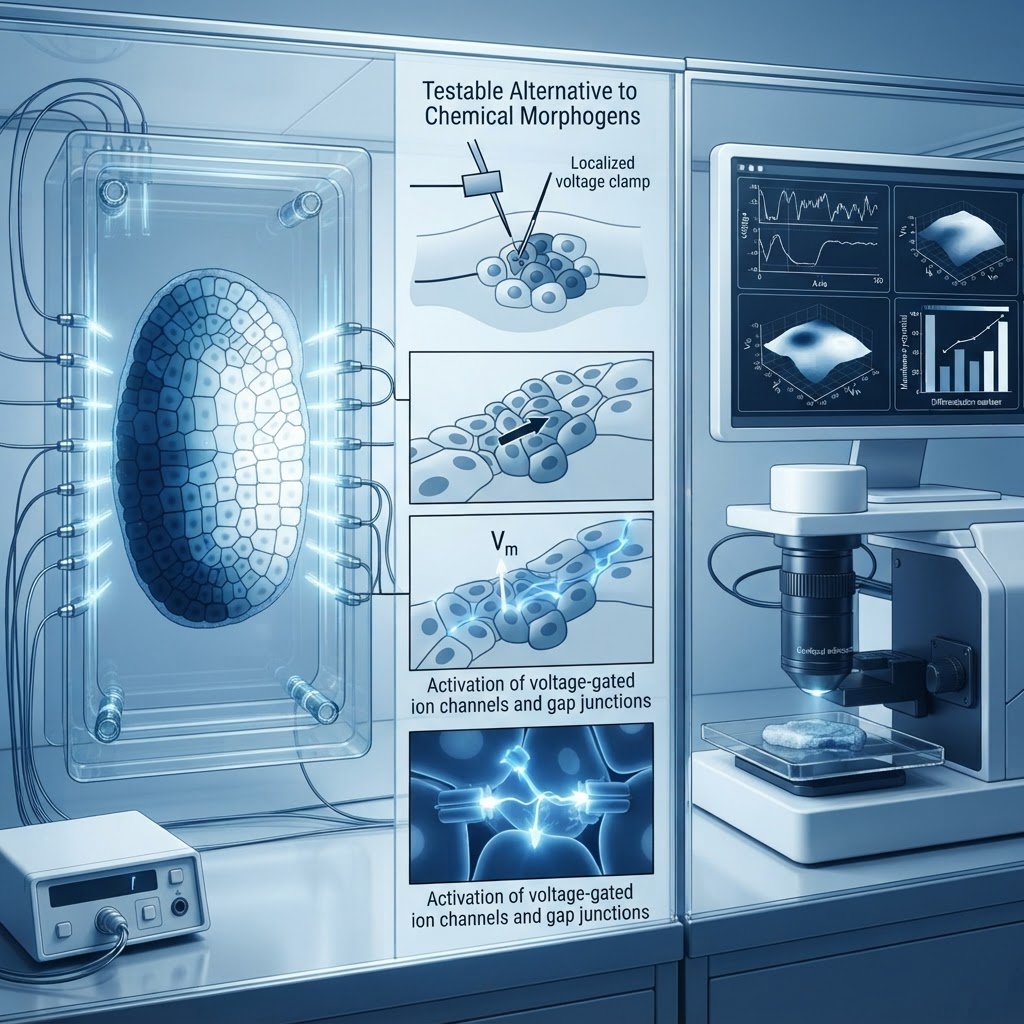
Bioelectric Gradients as a Positional Code: A Testable Alternative to Chemical Morphogens
Endogenous voltage landscapes may encode spatial coordinates and instruct patterning independent of diffusible morphogen concentration gradients.
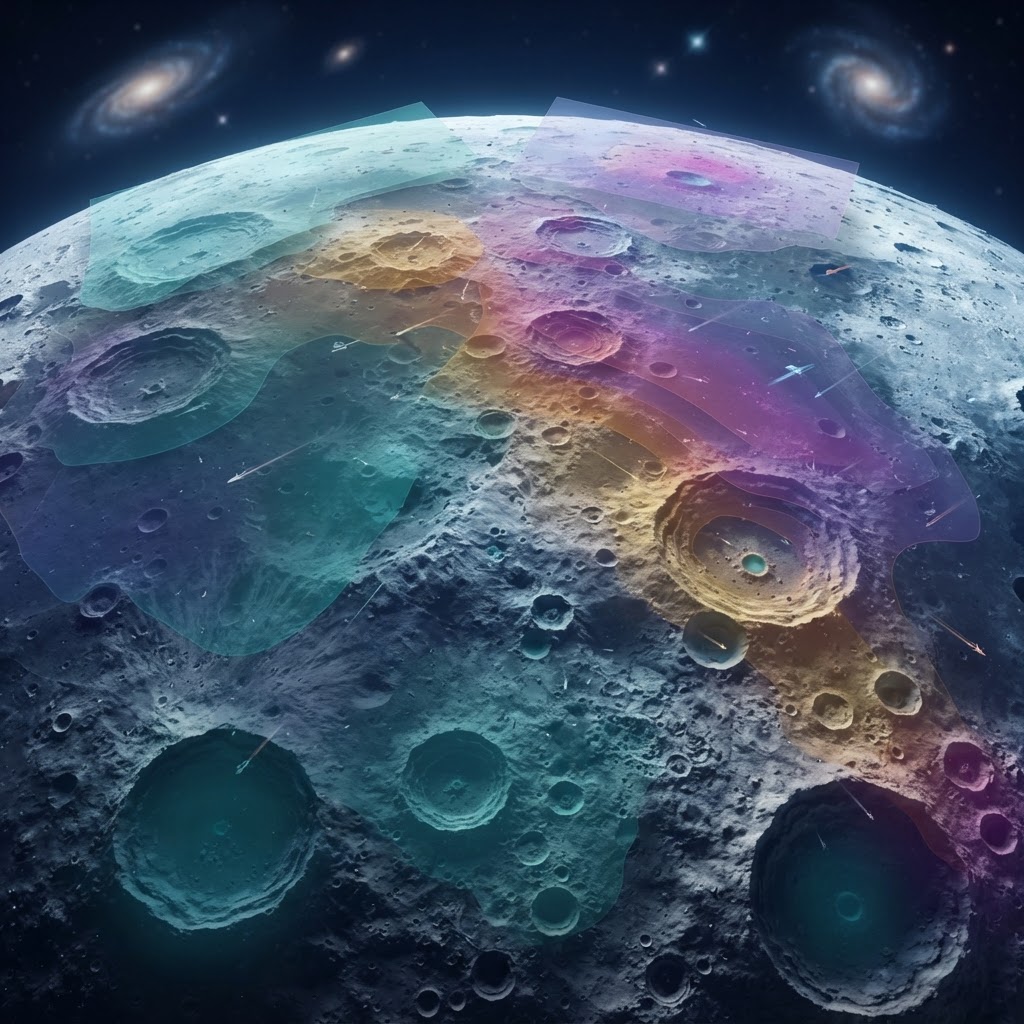
Reading the Moon: Using Lunar Crater Distribution as a Proxy for Interstellar Object Flux
A proposal to mine the Moon's small‑crater record for a long‑baseline census of interstellar visitors.
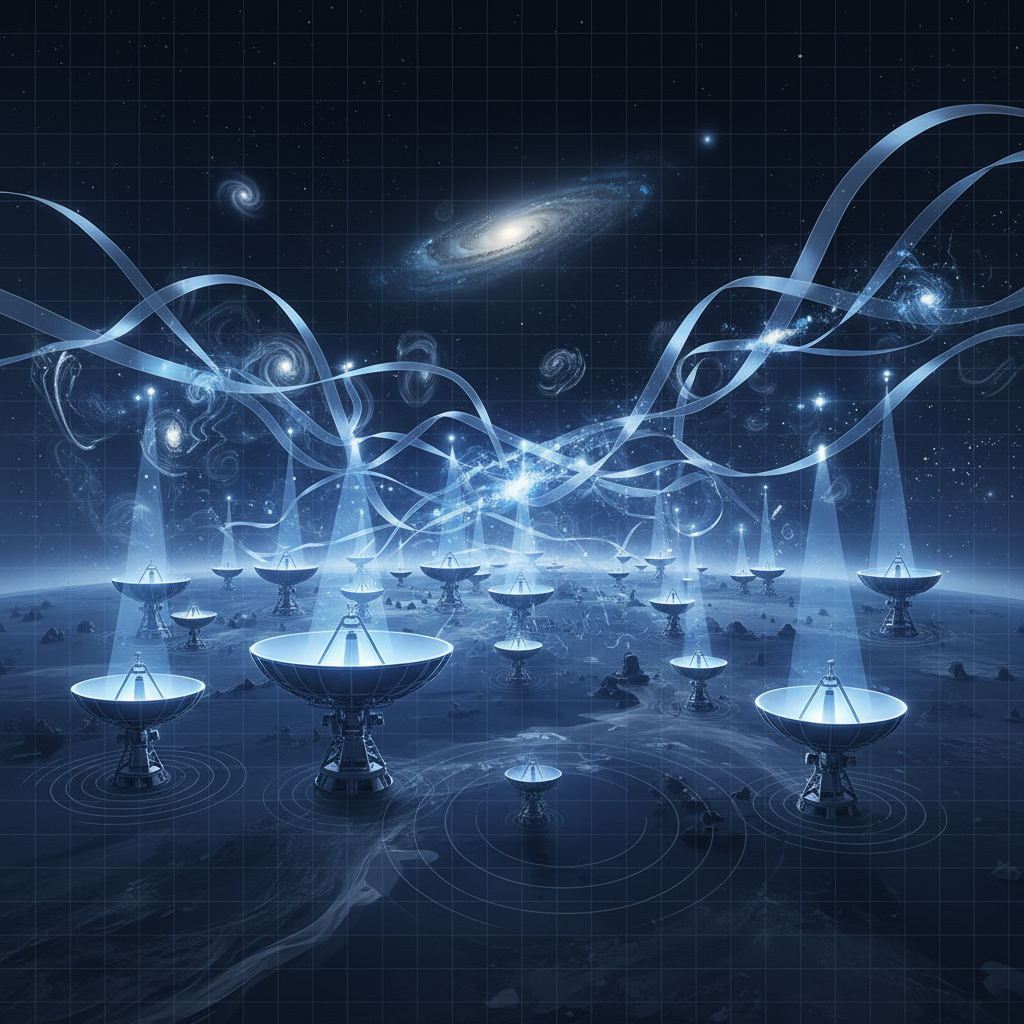
Fast Radio Burst Timing Arrays: A New Probe of Intergalactic Magnetic Fields
Use ensembles of precisely timed, polarized repeating FRBs to map the statistical power and coherence of magnetic fields in the intergalactic medium.
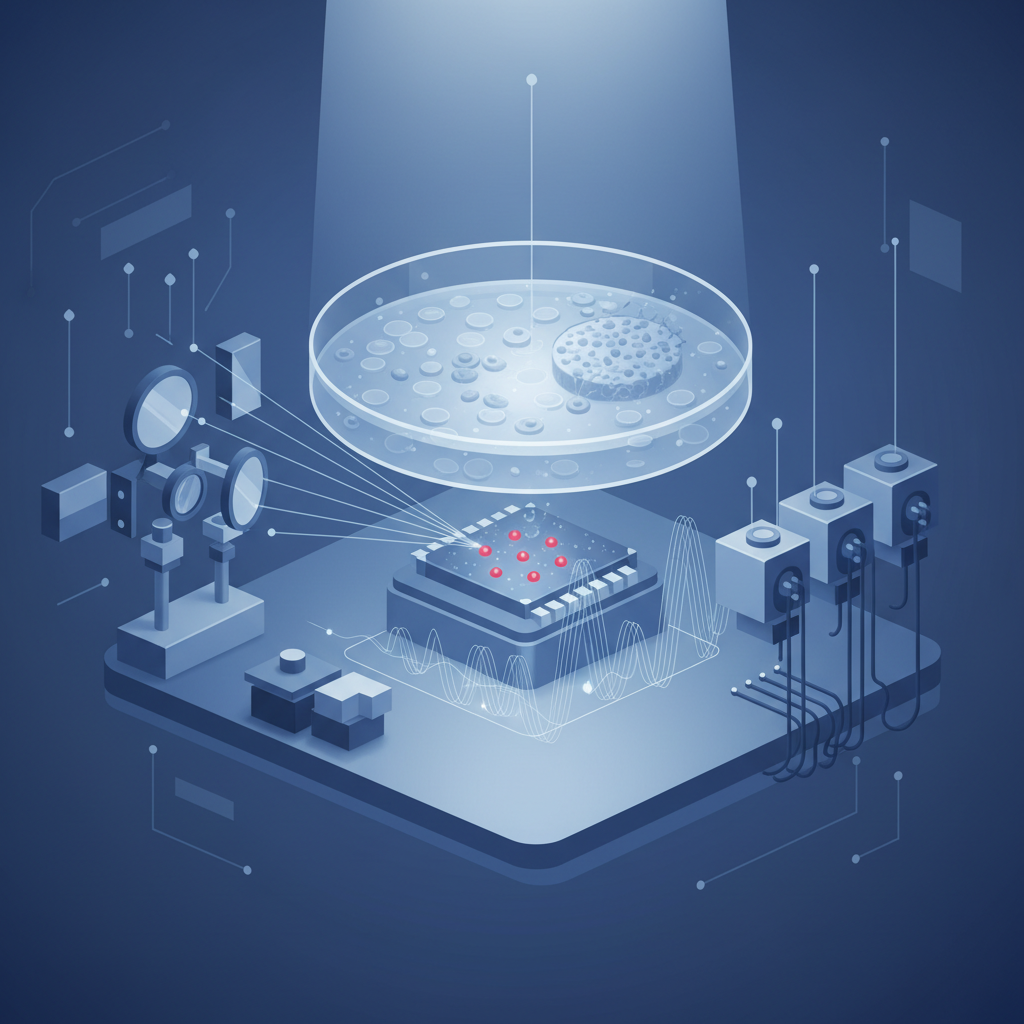
RESEARCH PROPOSAL: Testing Quantum Coherence in Warm Biological Systems with Near‑Surface NV‑Center Diamond Probes
Use near‑surface nitrogen‑vacancy centers in diamond to directly search for magnetic signatures of persistent quantum coherence in living, room‑temperature biological samples.

Bioelectric Field Gradients as a Positional Code: a Testable Hypothesis Decoupling Electrophysiology from Chemical Morphogens
Endogenous voltage gradients may encode spatial coordinates and instruct cell identity independently of diffusible morphogens.

Testing Quantum Coherence in Warm Biology with NV‑Center Diamond Probes
A practical roadmap to detect and falsify sustained spin and excitonic coherence in physiological conditions using shallow NV centers and quantum sensing protocols.
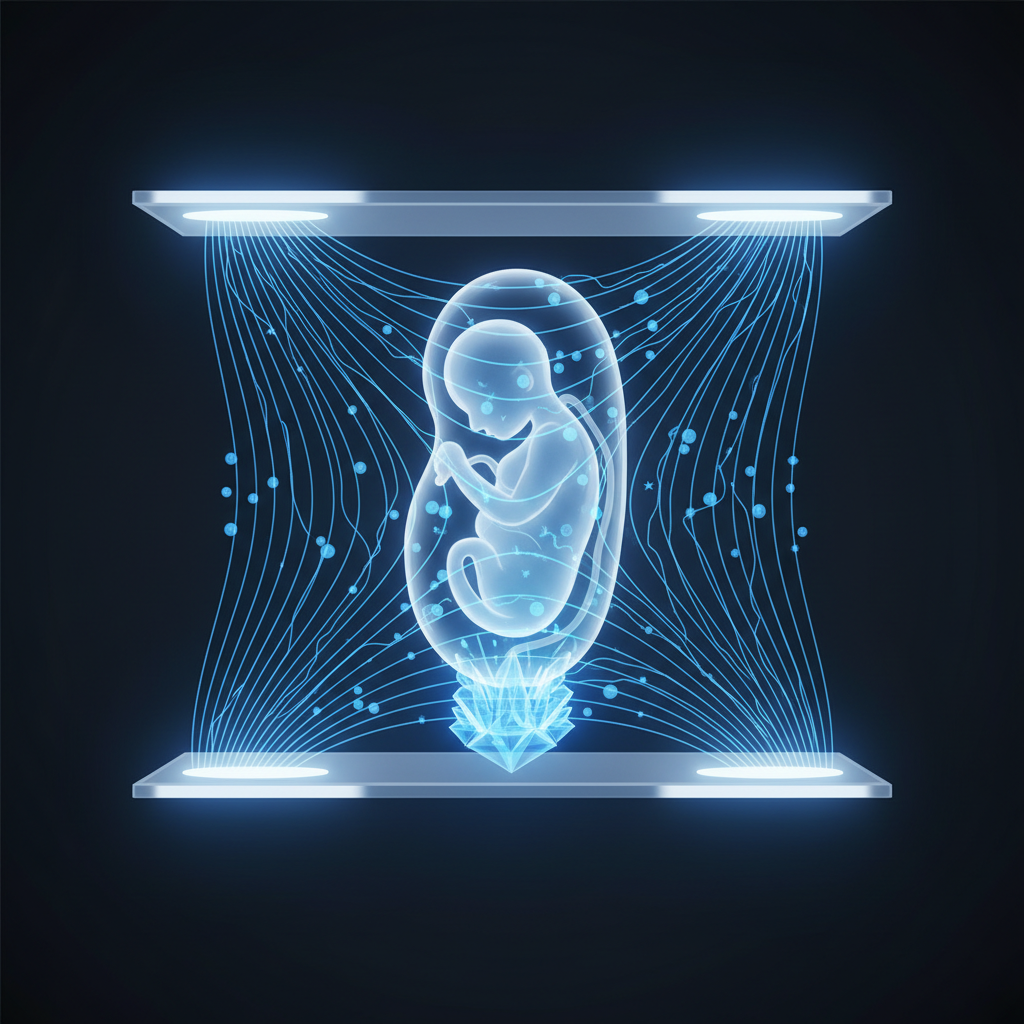
Positional Codes in Electric Blue: Hypothesis that Bioelectric Field Gradients Encode Positional Information Independent of Chemical Morphogens
Tissue-scale voltage gradients carry instructive spatial coordinates that cells read to self-organize morphology, separate from canonical chemical morphogen gradients.
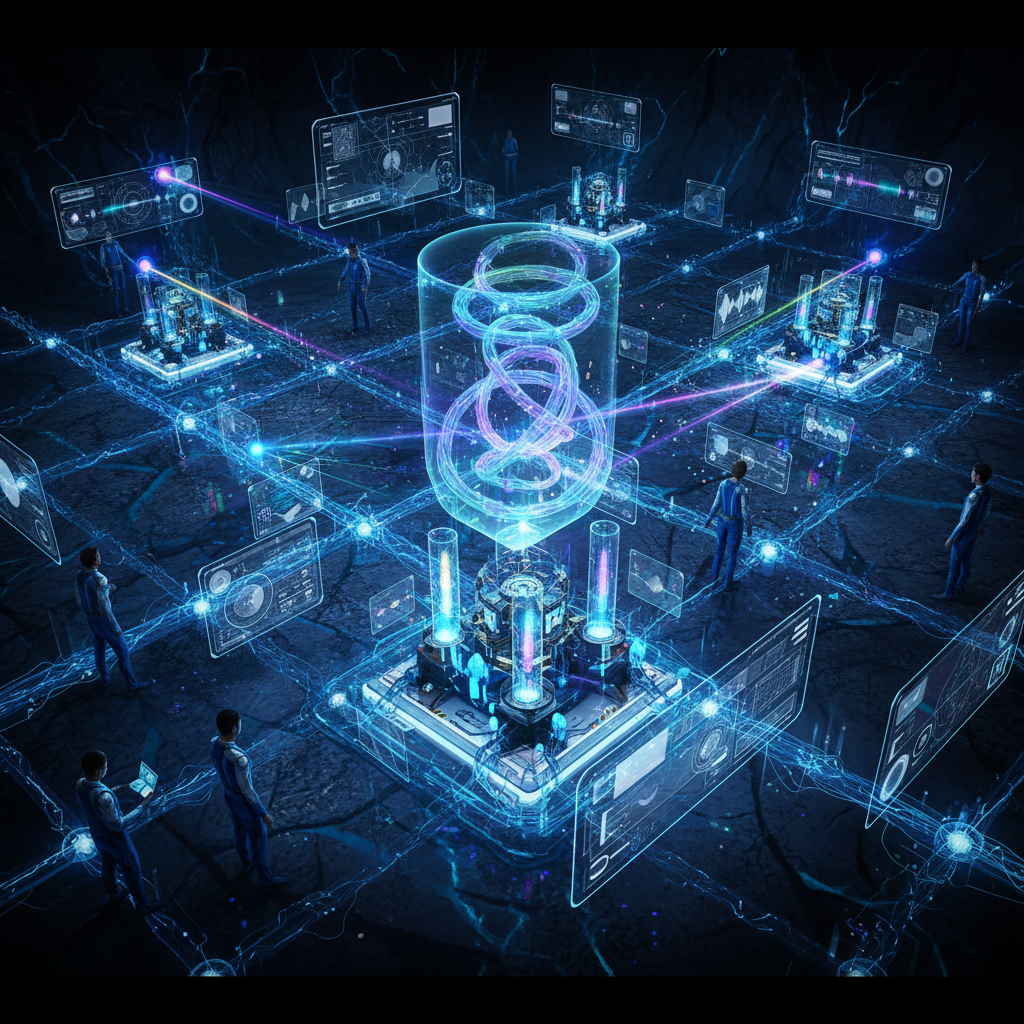
Distributed Quantum-Sensing Networks as a Probe of Ultralight and Topological Dark Matter
A coordinated lattice of clocks, magnetometers and interferometers can turn spatial correlations and time delays into a new, directional detector for coherent and transient dark-matter fields.

Testing Quantum Coherence in Warm Biological Systems with NV‑Center Diamond Probes
A concrete, feasible experimental program using nitrogen‑vacancy diamond sensors to detect nanometre-scale, millisecond-range coherence signatures in living biomolecular assemblies.

Electric Coordinates: Hypothesis that Bioelectric Field Gradients Encode Positional Information Independent of Chemical Morphogens
Local patterns of transmembrane potential and extracellular electric fields form a spatial code that specifies position and organizes tissue form, working as an autonomous instructive layer alongside—sometimes independent from—chemical morphogens.